


 Vista previa
 Compartir
 Compartir
 Ver detalles
 Guía
Guía

 Descargar
 Ver artículos similares
 Radiografía
 Presentación de diapositivas
 Estadísticas
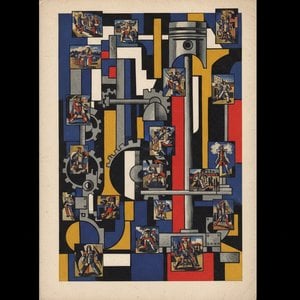
Study for the card game


 Leer más
Reproducción al óleo hecha a mano
Óleo sobre lienzo pintado a mano en el tamaño y marco de su elección, realizado por encargo por nuestros artistas. ( Cambiar a formato impreso Ver versión en imagen digital)




P118B €10

P118H €10

P118W €10

P438Z €10

P508JH €12

P508YH €12

P805H €10

P805Z €10

P919BZ €10

P919G €10

P919XJ €10

P959ZH €10

P968JZ €12

W106C €8

W218G €10

W218JH €8

W218Y €10

W307PJ €10

W316G €10

W316PJ €8

W316Y €10

W398PJ €8

W4111J €10

W500HY €15

W500JH €15

W692G €12

W849H €8

W940BG €15

W953PJ €8




Elija entre nuestros tamaños predefinidos que respetan las proporciones originales de la obra.

Puede ingresar sus propias dimensiones para adaptarse a un marco o espacio específico. Si el tamaño seleccionado no coincide con las proporciones de la imagen original, recortaremos la obra o extenderemos la pintura con elementos adicionales pintados a mano. Se le enviará una maqueta digital para su aprobación antes de comenzar la producción.
Tenga en cuenta que la vista previa en pantalla no refleja el recorte o la extensión reales. Solo la maqueta mostrará con precisión la composición final.
Si bien existen tamaños personalizados, recomendamos seleccionar una dimensión de la lista predefinida para preservar las proporciones originales.
Tras realizar el pedido, el equipo de ArtsDot.com enviará un correo electrónico al cliente para solicitar instrucciones y proporcionarle una vista previa del boceto.
Envío a todo el mundo () en 3-4 semanas en lugar de las 5 semanas estándar. (13 octubre). Sin comprometer la calidad.

Envío exprés gratuito a todo el mundo

Lienzo de lino de alta calidad

Seguro de envío completo

Garantía de reembolso de impuestos aduaneros

Garantía de fidelidad cromática exacta

Política de devolución de 100 días (solo por defectos)

Garantía de devolución del 100% del dinero

Oferta por volumen
 La opción de vidrio solo está disponible en tamaños inferiores a 110 cm.

Study for the card game
Técnica de reproducción
Tamaño de la reproducción
-


Precio total
€ 227
The Geometric Pulse of Modernity
In the quiet tension of Fernand Léger’s 1919 masterpiece, Study for the Card Game, one finds a profound paradox that defines the very essence of early twentieth-century modernism. The canvas presents an arresting stillness, yet beneath its surface, there is a rhythmic, almost mechanical vitality that refuses to be ignored. At first glance, the composition appears deceptively simple, presenting three figures—a man and two women—standing in a shared moment against a muted backdrop of ochre and grey. However, to look closer is to witness a revolution of form. Léger does not merely depict people; he deconstructs them into an intricate orchestration of interlocking cubes, cylinders, and planes. This is the birth of a visual language where the human silhouette begins to merge with the structural precision of the machine age.
The technique employed in this study reveals Léger’s obsessive dedication to volume and light. Utilizing a meticulous process he termed multiplication, the artist layered thin washes of color to establish a foundational tonal structure before applying heavy, opaque pigments. This method allowed him to build up forms with a sculptural weight, capturing the internal volume of each figure without relying on traditional, soft-focus shading. Instead, Léger embraced bold contrasts and sharp outlines, creating a sense of depth through geometric intersection rather than atmospheric perspective. For the discerning collector or interior designer, this technique offers a striking visual texture that commands attention, providing a sophisticated focal point that feels both structurally grounded and vibrantly alive.
A Symphony of Form and History
To understand the emotional resonance of Study for the Card Game, one must look to the era from which it emerged. Painted in the immediate aftermath of World War I, the work is steeped in the burgeoning anxieties and technological triumphs of a changing Europe. As industrialization accelerated, Léger found inspiration in the rhythmic, metallic hum of the modern city. The card game itself serves as a poignant symbol; much like the deterministic forces of the machine age, the game suggests a world governed by patterns, chance, and structural logic. There is a certain muscular energy in his use of primary colors and bold shapes that mirrors the strength and resilience of a society rebuilding itself through innovation.
For those seeking to infuse a contemporary space with historical depth, this piece offers an unparalleled opportunity. It bridges the gap between the organic human experience and the disciplined beauty of Constructivism. The painting does not merely decorate a wall; it invites a dialogue about how we perceive reality in an increasingly mechanized world. Whether placed in a minimalist gallery setting or as a bold statement in a curated residential collection, Léger’s work brings a sense of intellectual rigor and aesthetic dynamism. It is an invitation to embrace the beauty of the essential form—a timeless tribute to the era when art first learned to speak the language of the future.
Preguntas y respuestas
¿Existe una ficha informativa sobre "Study for the card game" de Fernand Léger para estudiantes?
La página Guía de "Study for the card game" de Fernand Léger ofrece una ficha informativa imprimible de dos hojas: la obra con su tabla de identidad, una línea de tiempo por décadas que la sitúa en la vida del artista, otras obras del mismo autor, la paleta de colores medida y citas listas para copiar en cuatro estilos diferentes.
¿A qué etapa de la carrera de Fernand Léger pertenece "Study for the card game" (1919)?
Dada su fecha de 1919, "Study for the card game" se sitúa en el Mature Period de Fernand Léger.
¿Cómo puedo conseguir una lámina de "Study for the card game" de Fernand Léger?
"Study for the card game" está disponible como una impresión de bellas artes sobre lienzo de algodón o papel de lienzo de archivo. Los pedidos se realizan en esta página, en el tamaño de su elección.
¿Qué estado de ánimo y emoción se entrelazan en "Study for the card game"?
En "Study for the card game", un ambiente Elegant acompaña a una emoción Calm.
¿Qué espacio combina con los colores de "Study for the card game" de Fernand Léger?
Teniendo en cuenta sus colores Earthy, se sugiere "Study for the card game" para un/a Living Room.
¿Qué técnica y estilo caracterizan a "Study for the card game" de Fernand Léger?
"Study for the card game" está realizada en Oil, con el estilo Cubism.
¿De dónde vienen los visitantes de "Study for the card game" de Fernand Léger?
Las estadísticas sobre "Study for the card game" de Fernand Léger se encuentran en la página de Estadísticas de la obra: visitas mensuales de la obra, visitas a las obras del artista y desgloses por país e idioma de los visitantes recientes.
¿Es "Study for the card game" una de las obras más populares de Fernand Léger?
El nivel de popularidad registrado para "Study for the card game" de Fernand Léger es Iconic.
Obras relacionadas


Biografía del artista
vida temprana y formación
fernand léger, un pintor, escultor y cineasta francés, nació el 4 de febrero de 1881 en Argentán, Orne, Baja Normandía. Su padre criaba ganado, y Léger inicialmente se formó como arquitecto de 1897 a 1899. Luego se mudó a París en 1900, ganándose la vida como dibujante arquitectónico.desarrollo artístico
El trabajo temprano de Léger estuvo influenciado por el impresionismo, como se ve en le jardin de ma mère (mi madre's garden) (1905). Después de asistir a la escuela de artes decorativas y la academia Julian, comenzó a trabajar seriamente como pintor a los 25 años. Su estilo evolucionó hacia una forma personal del cubismo, que los críticos denominaron "tubismo" por su énfasis en las formas cilíndricas.cubismo y el grupo puteaux
En 1910, Léger expuso en el salón de otoño junto a jean metzinger y henri le fauconnier. Se unió al grupo puteaux, también conocido como la sección dorada (la sección de oro), junto con otros artistas como francis picabia y marcel duchamp.guerra y su influencia en el trabajo de léger
Las experiencias de Léger en la Primera Guerra Mundial impactaron significativamente su obra. Durante su tiempo en el frente, produjo dibujos de piezas de artillería, aviones y soldados compañeros. Su pintura soldier with a pipe (1916) refleja este período.obra posterior y legado
La obra posterior de Léger, caracterizada por formas mecánicas y elegantes, lo vinculó a la tradición de la pintura figurativa francesa. Sus paisajes animados de 1921 mostraron figuras y animales en formas armoniosas y aerodinámicas.- ver obras de fernand léger en ArtsDot
- más sobre fernand léger en wikipedia
- descubra el musée national fernand léger (francia) con ArtsDot
- la mujer sentada (100 x 81 cm, tubismo)
- elemento de máquina (cubismo)

Fernand Léger
1881 - 1955 , Francia
Datos clave
- Artistas Influenciados Por: ['Pop Art']
- Artistas Que Influyeron:
- Cézanne
- Impresionismo
- Fecha De Nacimiento: 4 de febrero de 1881
- Lugar De Nacimiento: Argentan, Francia
- Movimiento Artístico:
- Cubismo
- Tubismo
- Nacionalidad: Francés
- Nombre Completo: Fernand Léger
- Obras Notables:
- La Mujer Sentada
- Elemento de Máquina
- El Gran Desfile
- Paisajes Animados
Artículos relacionados

Abstracción Geométrica: 10 Obras Maestras que Transformaron el Arte Moderno | ArtsDot
Descubre las 10 obras maestras de la abstracción geométrica que revolucionaron el arte moderno. Explora a Mondrian, Malevich y Kandinsky en ArtsDot.com. Reproducciones de alta calidad para tu hogar.
Fernand Léger: Las 25 Obras Maestras del Tubismo y la Vanguardia Francesa | ArtsDot
Descubre las 25 obras maestras de Fernand Léger, pionero del tubismo y la vanguardia francesa. Explora su estética industrial, composiciones geométricas y vibrantes colores. Reproducciones de arte exclusivas en ArtsDot.com.

Kandinsky: Las 25 Obras Maestras del Pionero de la Abstracción | ArtsDot
Descubre las 25 obras maestras de Wassily Kandinsky, pionero del arte abstracto. Explora su expresionismo, composiciones únicas y la historia detrás de cada cuadro. Reproducciones de alta calidad para decorar tu hogar con arte moderno en ArtsDot.com.

Expresionismo Abstracto: 10 Obras Maestras que Transformaron el Arte |
Descubre las 10 obras maestras del Expresionismo Abstracto: Pollock, Rothko y más. Explora la historia, técnica y significado de estos lienzos icónicos. Reproducciones de arte exclusivas en .

Beyond Form & Color: Geometric Abstraction's Evolution in 20th/21st Century Art
Explore the evolution of geometric abstraction from Cubism to contemporary art. Discover key artists like Malevich & Mondrian, investment insights, and expert collecting advice at ArtsDot.


