


 Vista previa
 Compartir
 Compartir
 Ver detalles

 Descargar
 Ver similares
 Radiografía
 Presentación de diapositivas
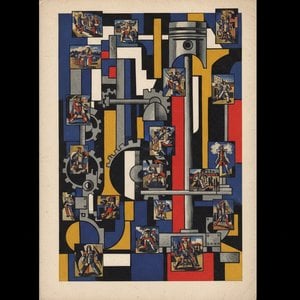
Divers polychrome


 Leer más
Reproducción al óleo hecha a mano
Óleo sobre lienzo pintado a mano en el tamaño y marco de su elección, realizado por encargo por nuestros artistas. ( Pedir impresión Comprar descarga)




P118B $10

P118H $10

P118W $10

P438Z $10

P508JH $12

P508YH $12

P805H $10

P805Z $10

P919BZ $10

P919G $10

P919XJ $10

P959ZH $10

P968JZ $12

W106C $8

W218G $10

W218JH $8

W218Y $10

W307PJ $10

W316G $10

W316PJ $8

W316Y $10

W398PJ $8

W4111J $10

W500HY $15

W500JH $15

W692G $12

W849H $8

W940BG $15

W953PJ $8




Elija entre nuestros tamaños predefinidos que respetan las proporciones originales de la obra.

Puede ingresar sus propias dimensiones para adaptarse a un marco o espacio específico. Si el tamaño seleccionado no coincide con las proporciones de la imagen original, recortaremos la obra o extenderemos la pintura con elementos adicionales pintados a mano. Se le enviará una maqueta digital para su aprobación antes de comenzar la producción.
Tenga en cuenta que la vista previa en pantalla no refleja el recorte o la extensión reales. Solo la maqueta mostrará con precisión la composición final.
Si bien existen tamaños personalizados, recomendamos seleccionar una dimensión de la lista predefinida para preservar las proporciones originales.
Tras realizar el pedido, el equipo de ArtsDot.com enviará un correo electrónico al cliente para solicitar instrucciones y proporcionarle una vista previa del boceto.
Envío a todo el mundo () en 3-4 semanas en lugar de las 5 semanas estándar. (17 agosto). Sin comprometer la calidad.

Envío exprés gratuito a todo el mundo

Lienzo de lino de alta calidad

Seguro de envío completo

Garantía de reembolso de aranceles aduaneros

Garantía de fidelidad cromática exacta

Política de devolución de 60 días (solo por defectos)

Garantía de devolución del 100% del dinero

Oferta por volumen
 La opción de vidrio solo está disponible en tamaños inferiores a 110 cm.

Divers polychrome
Técnica de reproducción
Tamaño de la reproducción
-


Precio total
$ 263
Descripción de la obra
A Symphony of Form and Color: Exploring Fernand Léger’s “Divers Polychrome”
Fernand Léger's "Divers Polychrome" isn’t merely a painting; it’s an embodiment of the anxieties and aspirations surrounding the burgeoning industrial revolution. Created in 1942 during the tumultuous backdrop of World War II, this artwork transcends its historical moment to speak directly to our contemporary sensibilities about perception, movement, and the transformative power of visual representation. The photograph accompanying the piece reveals a complex composition—a deliberate collage of figures interwoven against a serene azure sky—that immediately draws the eye into its intricate dance of shapes and hues.- Subject Matter: Léger’s depiction centers on a group of individuals engaged in various activities, ranging from seated postures to dynamic stances. The figures aren't idealized representations; they are rendered with an unflinching honesty that reflects the realities of everyday life during wartime—a stark contrast to the romanticized narratives prevalent at the time.
- Style: Léger’s style is undeniably geometric abstraction, yet it’s far from sterile. He employs bold, angular forms reminiscent of machine parts and architectural structures – a conscious homage to the industrial landscape that dominated his era. However, these rigid shapes are punctuated by splashes of vibrant color—primarily reds, yellows, and blues—creating an energetic interplay between structure and spontaneity.
Technique: Embracing Constructivism’s Legacy
Léger's approach to painting aligns closely with the principles of Constructivism, a Russian artistic movement that championed geometric abstraction as a tool for conveying social and political ideas. He utilized tempera on canvas—a technique known for its durability and luminosity—to achieve a surface finish that is both matte and subtly textured. This meticulous layering contributes to the artwork’s palpable physicality, mirroring Léger's fascination with materiality and his desire to capture the essence of industrial forms. The artist deliberately avoided blending colors seamlessly; instead, he applied them in distinct blocks, emphasizing their individual presence and creating a visual rhythm that mimics the movement inherent in mechanical processes.Historical Context: Navigating Uncertainty Amidst Wartime Propaganda
“Divers Polychrome” emerged during a period of profound societal upheaval. The Second World War cast a long shadow over Europe, fueling anxieties about technological advancement and prompting artists to grapple with questions of identity and purpose. Léger’s artwork can be interpreted as a response to this climate—a deliberate rejection of traditional artistic conventions in favor of a visual language that prioritizes clarity and directness. Simultaneously, it subtly incorporates elements of propaganda – the pervasive use of color and geometric forms echoes the messaging campaigns designed to inspire patriotism and bolster morale during wartime.Symbolism Beyond Geometry: Exploring Human Presence
Despite its predominantly geometric aesthetic, “Divers Polychrome” isn’t devoid of symbolic resonance. Léger's figures represent not merely individuals but also humanity itself—a collective striving for stability amidst chaos. The angular forms symbolize resilience and determination, while the vibrant colors convey optimism and vitality. More importantly, Léger’s insistence on depicting human presence within an abstract framework challenges viewers to consider how we perceive and interpret the world around us. He compels us to confront the tension between rational thought and emotional experience—a theme that remains remarkably pertinent in our contemporary context.Emotional Impact: A Quiet Assertion of Form’s Power
Ultimately, “Divers Polychrome” succeeds in conveying a powerful emotional message despite its seemingly detached visual style. The artwork's subdued palette – dominated by blues and reds – creates an atmosphere of contemplative seriousness. Yet, the dynamism of the composition—the interplay of shapes and colors—injects a sense of energy and movement that resonates deeply with the viewer. Léger’s masterpiece serves as a reminder that even in the face of adversity, art can offer solace and inspiration—a testament to its enduring ability to capture the complexities of human experience.Obras relacionadas


Biografía del artista
vida temprana y formación
fernand léger, un pintor, escultor y cineasta francés, nació el 4 de febrero de 1881 en Argentán, Orne, Baja Normandía. Su padre criaba ganado, y Léger inicialmente se formó como arquitecto de 1897 a 1899. Luego se mudó a París en 1900, ganándose la vida como dibujante arquitectónico.desarrollo artístico
El trabajo temprano de Léger estuvo influenciado por el impresionismo, como se ve en le jardin de ma mère (mi madre's garden) (1905). Después de asistir a la escuela de artes decorativas y la academia Julian, comenzó a trabajar seriamente como pintor a los 25 años. Su estilo evolucionó hacia una forma personal del cubismo, que los críticos denominaron "tubismo" por su énfasis en las formas cilíndricas.cubismo y el grupo puteaux
En 1910, Léger expuso en el salón de otoño junto a jean metzinger y henri le fauconnier. Se unió al grupo puteaux, también conocido como la sección dorada (la sección de oro), junto con otros artistas como francis picabia y marcel duchamp.guerra y su influencia en el trabajo de léger
Las experiencias de Léger en la Primera Guerra Mundial impactaron significativamente su obra. Durante su tiempo en el frente, produjo dibujos de piezas de artillería, aviones y soldados compañeros. Su pintura soldier with a pipe (1916) refleja este período.obra posterior y legado
La obra posterior de Léger, caracterizada por formas mecánicas y elegantes, lo vinculó a la tradición de la pintura figurativa francesa. Sus paisajes animados de 1921 mostraron figuras y animales en formas armoniosas y aerodinámicas.- ver obras de fernand léger en ArtsDot
- más sobre fernand léger en wikipedia
- descubra el musée national fernand léger (francia) con ArtsDot
- la mujer sentada (100 x 81 cm, tubismo)
- elemento de máquina (cubismo)

Fernand Léger
1881 - 1955 , Francia
Datos clave
- Artistas Influenciados Por: ['Pop Art']
- Artistas Que Influyeron:
- Cézanne
- Impresionismo
- Fecha De Nacimiento: 4 de febrero de 1881
- Lugar De Nacimiento: Argentan, Francia
- Movimiento Artístico:
- Cubismo
- Tubismo
- Nacionalidad: Francés
- Nombre Completo: Fernand Léger
- Obras Notables:
- La Mujer Sentada
- Elemento de Máquina
- El Gran Desfile
- Paisajes Animados
Artículos relacionados
Fernand Léger: Las 25 Obras Maestras del Tubismo y la Vanguardia Francesa | ArtsDot
Descubre las 25 obras maestras de Fernand Léger, pionero del tubismo y la vanguardia francesa. Explora su estética industrial, composiciones geométricas y vibrantes colores. Reproducciones de arte exclusivas en ArtsDot.com.

Abstracción Geométrica: 10 Obras Maestras que Transformaron el Arte Moderno | ArtsDot
Descubre las 10 obras maestras de la abstracción geométrica que revolucionaron el arte moderno. Explora a Mondrian, Malevich y Kandinsky en ArtsDot.com. Reproducciones de alta calidad para tu hogar.

Arte Industrial: 10 Obras Maestras para un Hogar con Carácter | ArtsDot.com
Descubre 10 obras maestras que capturan la esencia del arte industrial. Explora la historia de Van Gogh, Hopper y Klimt, sus técnicas y paletas. Encuentra lienzos perfectos para un hogar con carácter en ArtsDot.com.

Kandinsky: Las 25 Obras Maestras del Pionero de la Abstracción | ArtsDot
Descubre las 25 obras maestras de Wassily Kandinsky, pionero del arte abstracto. Explora su expresionismo, composiciones únicas y la historia detrás de cada cuadro. Reproducciones de alta calidad para decorar tu hogar con arte moderno en ArtsDot.com.

Beyond Form & Color: Geometric Abstraction's Evolution in 20th/21st Century Art
Explore the evolution of geometric abstraction from Cubism to contemporary art. Discover key artists like Malevich & Mondrian, investment insights, and expert collecting advice at ArtsDot.



