


 Vista previa
 Compartir
 Compartir
 Ver detalles

 Descargar
 Ver similares
 Radiografía
 Presentación de diapositivas
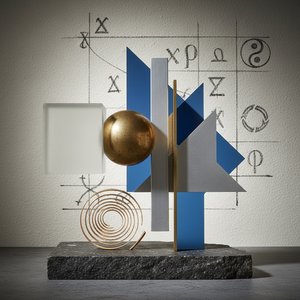
Untitled (314)

 Leer más
Reproducción al óleo hecha a mano
Óleo sobre lienzo pintado a mano en el tamaño y marco de su elección, realizado por encargo por nuestros artistas. ( Pedir impresión Comprar descarga)




































Elija entre nuestros tamaños predefinidos que respetan las proporciones originales de la obra.

Puede ingresar sus propias dimensiones para adaptarse a un marco o espacio específico. Si el tamaño seleccionado no coincide con las proporciones de la imagen original, recortaremos la obra o extenderemos la pintura con elementos adicionales pintados a mano. Se le enviará una maqueta digital para su aprobación antes de comenzar la producción.
Tenga en cuenta que la vista previa en pantalla no refleja el recorte o la extensión reales. Solo la maqueta mostrará con precisión la composición final.
Si bien existen tamaños personalizados, recomendamos seleccionar una dimensión de la lista predefinida para preservar las proporciones originales.
Tras realizar el pedido, el equipo de ArtsDot.com enviará un correo electrónico al cliente para solicitar instrucciones y proporcionarle una vista previa del boceto.
Envío a todo el mundo () en 3-4 semanas en lugar de las 5 semanas estándar. (21 agosto). Sin comprometer la calidad.

Envío exprés gratuito a todo el mundo

Lienzo de lino de alta calidad

Seguro de envío completo

Garantía de reembolso de aranceles aduaneros

Garantía de fidelidad cromática exacta

Política de devolución de 60 días (solo por defectos)

Garantía de devolución del 100% del dinero

Oferta por volumen
 La opción de vidrio solo está disponible en tamaños inferiores a 110 cm.

Untitled (314)
Técnica de reproducción
Tamaño de la reproducción
-


Precio total
$ 263
Obras relacionadas


Biografía del artista
The Literary Soul of the Canvas
Emilio Tadini was far more than a painter; he was a profound architect of meaning within the Italian cultural landscape. Born in Milan in 1927, his journey began not with a brush, but with the written word. A poet, novelist, and essayist, Tadini first emerged onto the prestigious literary stage in 1947 through Elio Vittorini's magazine, Politecnico. This deep-seated connection to literature would forever inform his visual practice, leading his contemporary Umberto Eco to famously describe him as “a writer who paints, a painter who writes.” His transition into the realm of fine arts during the late 1950s was not a departure from his literary roots but an expansion of them, as he began to treat the canvas as a space for deconstructing and reconstructing text through color and form.A Tapestry of Memory and Texture
Tadini’s technique is characterized by a restless, layered exploration of existence. He viewed painting as an act of building a text, where the superimposing of different temporal planes creates a continuous dialogue between memory and reality. His works often eschew smooth, polished surfaces in favor of a visceral, expressionistic energy. By masterfully employing mixed-media techniques—layering paint with collage elements such as paper—he achieved a richly textured surface that mirrors the fractured nature of human experience. In pieces like “Untitled (547),” one encounters a fleshy palette of pinks and reds that simultaneously evokes the vitality of life and the unsettling specter of decay, pulling the viewer into a chaotic scene of emotional turmoil and symbolic struggle.Navigating the Human Condition
The thematic depth of Tadini’s oeuvre lies in his ability to capture the profound tensions of the post-war era: isolation, social observation, and the interplay between the tragic and the comic. His visual language is remarkably versatile, ranging from the surreal architectural blends found in “Viaggio in Italia” to the dynamic, unsettling beauty of his more abstract, line-driven compositions. Through his use of bold colors and ambiguous figures, Tadini invites a deep, introspective gaze, prompting us to question the world around us. His legacy remains that of an artist who used irony and wit to bridge the gap between reality and imagination, leaving behind a body of work that continues to stimulate curiosity and reflect the complexities of the modern soul.
emilio tadini
1927 - 2003 , Italy
Datos clave
- Artistic Movement Or Style: Catalan Modernisme
- Artists Or Movements Influenced By This Artist:
- Cubism
- Expressionism
- Artists Who Influenced This Artist:
- Gustav Klimt
- James Abbott McNeill Whistler
- Date Of Birth: 1893
- Date Of Death: 1977
- Full Name: Emilio Grau Sala
- Nationality: Spanish
- Notable Artworks:
- The Poet
- The Guitarist
- Place Of Birth: Barcelona, Spain
Artículos relacionados

Abstracción Geométrica: 10 Obras Maestras que Transformaron el Arte Moderno | ArtsDot
Descubre las 10 obras maestras de la abstracción geométrica que revolucionaron el arte moderno. Explora a Mondrian, Malevich y Kandinsky en ArtsDot.com. Reproducciones de alta calidad para tu hogar.

Beyond Form & Color: Geometric Abstraction's Evolution in 20th/21st Century Art
Explore the evolution of geometric abstraction from Cubism to contemporary art. Discover key artists like Malevich & Mondrian, investment insights, and expert collecting advice at ArtsDot.

Beyond Form & Color: Geometric Abstraction's Enduring Legacy in Art History
Explore the captivating world of geometric abstraction! Discover its origins, key artists like Malevich & Mondrian, and why this movement remains highly valued by art collectors today. Expert insights at ArtsDot.

Kandinsky: Las 25 Obras Maestras del Pionero de la Abstracción | ArtsDot
Descubre las 25 obras maestras de Wassily Kandinsky, pionero del arte abstracto. Explora su expresionismo, composiciones únicas y la historia detrás de cada cuadro. Reproducciones de alta calidad para decorar tu hogar con arte moderno en ArtsDot.com.
Más Allá de la Forma: Explorando los Fundamentos Filosóficos de la Abstracción Geométrica
Descubre los fundamentos filosóficos de la abstracción geométrica. Explora el suprematismo de Malévich y el neoplasticismo de Mondrian, su impacto en el arte moderno y su legado perdurable. Análisis experto.

