
- Inicio

- Reproducción al óleo
- edwaert collier
- Vanitas Still Life

 Comprar impresión Comprar imagen en alta resolución
 Enviar
 Compartir
 Details
 Añadir a favoritos

 Descargar
 Similares
 X-Ray
X-Ray
 Presentación de diapositivas
Vanitas Still Life


Reproducción al óleo hecha a mano
Óleo sobre lienzo pintado a mano en el tamaño y marco de su elección, realizado por encargo por nuestros artistas.




































 Leer más información
Elija entre nuestros tamaños predefinidos que respetan las proporciones originales de la obra.

Puede ingresar sus propias dimensiones para adaptarse a un marco o espacio específico. Si el tamaño seleccionado no coincide con las proporciones de la imagen original, recortaremos la obra o extenderemos la pintura con elementos adicionales pintados a mano. Se le enviará una maqueta digital para su aprobación antes de comenzar la producción.
Tenga en cuenta que la vista previa en pantalla no refleja el recorte o la extensión reales. Solo la maqueta mostrará con precisión la composición final.
Si bien existen tamaños personalizados, recomendamos seleccionar una dimensión de la lista predefinida para preservar las proporciones originales.
Tras realizar el pedido, el equipo de ArtsDot.com enviará un correo electrónico al cliente para solicitar instrucciones y proporcionarle una vista previa del boceto.
Entrega mundial () en 3-4 semanas en lugar de las 5 semanas estándar. (1 julio). Sin compromisos con la calidad.

Envío exprés gratuito a todo el mundo

Lienzo de lino de alta calidad

Seguro de envío total

Garantía de reembolso de impuestos aduaneros

Garantía de fidelidad de color

Política de devolución de 60 días (solo por defectos)

Garantía de devolución del 100% del dinero

Descuento por pedido múltiple
 La opción de vidrio solo está disponible en tamaños inferiores a 110 cm.

Vanitas Still Life
Técnica de reproducción
Tamaño de la reproducción
-


Precio total final
-
Obras similares


Biografía del artista
Evert Collier (1642–1708): The Trompe-l'œil Master of Mortality
Evert Collier, born circa 1642 in Breda, Noord-Brabant, emerged as a prominent figure within the Dutch Golden Age artistic landscape—a period characterized by unparalleled innovation and opulent patronage. His early training in Haarlem under Vincent Laurensz van der Vinne instilled foundational principles of observation and draughtsmanship, shaping his distinctive approach to still life painting.
- Early Influences: Van der Vinne’s emphasis on meticulous detail and atmospheric perspective profoundly impacted Collier's artistic sensibilities.
- Guild Membership & Artistic Development: Collier formally joined the Haarlem Guild of St. Luke in 1664, marking a crucial step toward establishing his professional career and solidifying his reputation as a skilled artist. His subsequent relocation to Leiden and Amsterdam broadened his exposure to diverse artistic currents and fostered experimentation with new techniques.
- Collaboration & Artistic Partnerships: Collier’s association with Barend van Eisen further enriched his creative dialogue, resulting in collaborative works that showcased shared stylistic sensibilities.
The Art of Trompe-l'œil: Illusionistic Mastery
Collier distinguished himself from many of his contemporaries through his masterful execution of trompe-l'œil—a technique designed to deceive the eye by creating illusions of depth and dimensionality on a flat surface. Unlike conventional realism, trompe-l'œil prioritized visual trickery over accurate representation, transforming ordinary objects into captivating spectacles.
- Signature Style: Collier’s signature trompe-l'œil paintings typically featured arrangements of journals, engravings, letters, medals, combs, and sealing wax sticks—items imbued with symbolic significance reflecting the transient nature of human existence.
- Technical Innovation: He skillfully employed perspective tricks, shading effects, and subtle textural variations to generate convincing illusions of space, captivating viewers with their deceptive beauty.
Iconic Still Lifes & Symbolism
Collier’s still lifes transcended mere depiction; they functioned as meditations on mortality—a central preoccupation within the vanitas genre prevalent during his era. Each element meticulously chosen conveyed a profound message about decay, remembrance, and the inevitability of death.
- Recurring Motifs: Common motifs included skulls, hourglasses, withered flowers, decaying fruit, and extinguished candles—symbols representing time’s relentless passage and the fragility of earthly pleasures.
- Psychological Depth: Collier's paintings probed beneath surface appearances, inviting contemplation on existential themes and prompting viewers to confront their own mortality.
Legacy & Recognition
Collier’s artistic legacy extends beyond his individual oeuvre—he exerted considerable influence on subsequent generations of Dutch painters, particularly those exploring the trompe-l'œil technique. His works are housed in prominent museums worldwide, including the Rijksmuseum (Amsterdam), Tate London, Denver Art Museum and Honolulu Museum of Art, ensuring that his visionary artistry continues to inspire admiration and scholarly inquiry.
Sources: Bryan’s Dictionary of Painters and Engravers; Netherlands Institute for Art History; Biographical Notices from Various Art Historical Databases
edwaert collier
1642 - 1708
Datos clave
- Artistic Movement Or Style: Dutch Golden Age
- Artists Or Movements Influenced By This Artist: ['Laurens van der Vinne']
- Artists Who Influenced This Artist: ['Vincent Laurensz van der Vinne']
- Date Of Birth: 1642
- Date Of Death: circa 1708
- Full Name: Evert Collier
- Nationality: Dutch
- Notable Artworks:
- Still Life with Globe, Skull and Violin
- Vanitas Still Life
- Place Of Birth: Breda, Noord-Brabant
Artículos relacionados
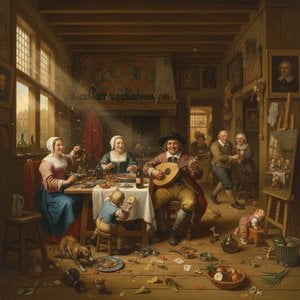
Jan Steen: A Master of Dutch Genre Painting & the Golden Age
Explore the life & art of Jan Steen, a leading Dutch Golden Age painter renowned for his humorous genre scenes & insightful social commentary. Discover his techniques, legacy, and collecting tips.


El Siglo XVII en el Arte: 10 Obras Maestras para Decorar con Historia y Elegancia
Descubre 10 obras maestras del siglo XVII: Rembrandt, Vermeer, Caravaggio y más. Explora la historia, el arte barroco y encuentra reproducciones de alta calidad para decorar tu hogar con elegancia en ArtsDot.com.
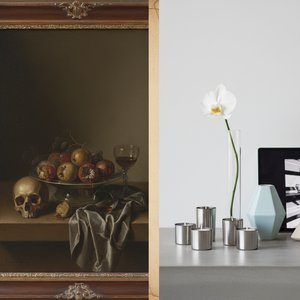
The Enduring Appeal of Still Life: A Historical & Contemporary Exploration
Explore the rich history & symbolism of still life painting with ArtsDot. Discover masterpieces from the Dutch Golden Age, learn about vanitas art, and find expert guidance for collecting timeless artworks.

Abraham Hendricksz van Beyeren: Pioneering Dutch Still Life & the Banquet Tradition
Explore the captivating world of Dutch Golden Age still life with Abraham van Beyeren. Discover his innovative techniques, symbolic banquet scenes & lasting influence on art history. Learn about collecting these masterpieces.

Willem van de Velde the Elder: Master of Maritime Painting & Chronicler of the Dutch Golden Age
Discover the captivating maritime paintings of Willem van de Velde the Elder, a master chronicler of the Dutch Golden Age. Explore his unparalleled realism and lasting influence on naval art history.

