


 Vista previa
 Compartir
 Compartir
 Ver detalles
 Guía
Guía

 Descargar
 Ver artículos similares
 Radiografía
 Presentación de diapositivas
 Estadísticas
Tucia

 Leer más
Reproducción al óleo hecha a mano
Óleo sobre lienzo pintado a mano en el tamaño y marco de su elección, realizado por encargo por nuestros artistas. ( Cambiar a formato impreso Ver versión en imagen digital)




P118B $10

P118H $10

P118W $10

P438Z $10

P508JH $12

P508YH $12

P805H $10

P805Z $10

P919BZ $10

P919G $10

P919XJ $10

P959ZH $10

P968JZ $12

W106C $8

W218G $10

W218JH $8

W218Y $10

W307PJ $10

W316G $10

W316PJ $8

W316Y $10

W398PJ $8

W4111J $10

W500HY $15

W500JH $15

W692G $12

W849H $8

W940BG $15

W953PJ $8




Elija entre nuestros tamaños predefinidos que respetan las proporciones originales de la obra.

Puede ingresar sus propias dimensiones para adaptarse a un marco o espacio específico. Si el tamaño seleccionado no coincide con las proporciones de la imagen original, recortaremos la obra o extenderemos la pintura con elementos adicionales pintados a mano. Se le enviará una maqueta digital para su aprobación antes de comenzar la producción.
Tenga en cuenta que la vista previa en pantalla no refleja el recorte o la extensión reales. Solo la maqueta mostrará con precisión la composición final.
Si bien existen tamaños personalizados, recomendamos seleccionar una dimensión de la lista predefinida para preservar las proporciones originales.
Tras realizar el pedido, el equipo de ArtsDot.com enviará un correo electrónico al cliente para solicitar instrucciones y proporcionarle una vista previa del boceto.
Envío a todo el mundo () en 3-4 semanas en lugar de las 5 semanas estándar. (23 septiembre). Sin comprometer la calidad.

Envío exprés gratuito a todo el mundo

Lienzo de lino de alta calidad

Seguro de envío completo

Garantía de reembolso de impuestos aduaneros

Garantía de fidelidad cromática exacta

Política de devolución de 100 días (solo por defectos)

Garantía de devolución del 100% del dinero

Oferta por volumen
 La opción de vidrio solo está disponible en tamaños inferiores a 110 cm.

Tucia
Técnica de reproducción
Tamaño de la reproducción
-


Precio total
$ 263
The Enigmatic Figure of Tucia
Andrea Mantegna’s “Tucia,” a captivating portrait painted around 1495-1506, is more than just a depiction of a woman; it's an invitation into the heart of Renaissance ideals – a potent blend of classical reverence, meticulous observation, and subtle psychological depth. The painting immediately draws the eye with its strikingly formal composition, reminiscent of ancient Roman sculpture. The subject, identified as Tucia, a Vestal Virgin celebrated for her legendary act of self-sacrifice to avoid capture by a Roman general, is presented in a pose that echoes the statues of Greek goddesses and heroines – a deliberate choice reflecting Mantegna’s profound admiration for antiquity. She stands with an almost unnerving stillness, holding a simple plate in her hand, yet radiating an aura of quiet dignity and contained power.
A Study in Monochrome and Sculptural Form
Mantegna’s masterful technique is immediately apparent. The painting exists almost entirely within a limited palette of grays, blacks, and whites – a “grisaille” style that was highly favored during this period. This deliberate restriction forces the viewer to focus on the play of light and shadow, emphasizing the sculpted quality of the figure. The surfaces are remarkably smooth, achieved through meticulous layering of egg tempera, a medium known for its luminosity and ability to mimic the appearance of polished stone or metal. Notice how Mantegna renders the folds of Tucia’s dress, not with loose brushstrokes but with carefully delineated planes that create an illusion of three-dimensionality – a hallmark of his sculptural approach. The background is equally sophisticated, featuring a simple wall adorned with a vase and two birds, elements subtly integrated to enhance the overall composition without distracting from the central figure.
Echoes of Antiquity: Symbolism and Context
The choice of Tucia as the subject is laden with symbolic meaning. Her story – a dramatic act of defiance and self-preservation rooted in Roman mythology – speaks to themes of honor, sacrifice, and female agency. Mantegna’s decision to portray her in this manner, reminiscent of classical sculpture, was not merely an aesthetic one; it was a deliberate assertion of the Renaissance's commitment to reviving the values and ideals of antiquity. The plate she holds is deliberately simple, devoid of ornamentation, further emphasizing her inherent dignity and rejecting any suggestion of material wealth or vanity. The inclusion of the vase and birds adds layers of interpretation – perhaps alluding to fertility, abundance, or even a subtle commentary on the fleeting nature of life.
A Window into Renaissance Ideals
“Tucia” offers a profound glimpse into the artistic and intellectual currents of the High Renaissance. Mantegna’s fascination with Roman antiquity was not simply an imitation; it was a deeply considered engagement with the past, seeking to understand its principles and apply them to contemporary art. This painting exemplifies his innovative use of perspective, his meticulous attention to detail, and his ability to imbue even a seemingly simple portrait with profound psychological depth. Reproductions of “Tucia” allow us to appreciate these qualities fully, bringing this remarkable work of Renaissance art into our homes and inspiring contemplation on its enduring beauty and significance.
Obras relacionadas


Biografía del artista
vida temprana y carrera
Andrea Mantegna, un innovador pintor e estudioso de la arqueología romana italiano, nació en Italia en 1431. Su vida está marcada por una desviación significativa de las formas suaves de su tiempo, favoreciendo un tratamiento audaz y voluminoso del espacio y la forma.contribución a la perspectiva
La obra de Mantegna fue fundamental para explorar la perspectiva, utilizando técnicas como ajustar la línea del horizonte para impartir una escala más grandiosa y gravedad a sus obras. Este enfoque marcó una desviación significativa de las formas suaves de su tiempo, mostrando su estilo único.obras notables y asociaciones
* Las pinturas de Mantegna son reconocidas por su calidad robusta y escultórica, exhibiendo paisajes y figuras duras y reflectantes que revelan su sensibilidad como escultor a la forma y la textura. * Su asociación con la familia Bellini a través del matrimonio es notable, ya que refleja la interconexión de las familias artísticas durante el Renacimiento.legado en la historia del arte
La influencia de Mantegna en el desarrollo del arte en Italia y más allá es innegable. Su enfoque audaz de la perspectiva y la forma ha inspirado a generaciones de artistas. Como se ve en su colección en ArtsDot, sus obras continúan cautivando al público con su grandeza e innovación.- Movimientos artísticos clave: Renacimiento, perspectiva temprana.
- Obras notables: incluyen "El lamento sobre el Cristo muerto" y "San Jorge".
- Museos que exhiben su obra: la Galería Nacional de Londres y la Pinacoteca Brera en Milán, entre otros.
lectura adicional y exploración
* Para más información sobre la vida y las obras de Mantegna, consulte la colección Palumbo-Fossati (Venecia, Italia), que presenta una breve reseña de la colección y sus piezas notables. * Explore la historia del arte en Italia con la cultura de Italia en Wikipedia.
Andrea Mantegna
1431 - 1506 , Italia
Datos clave
- Artistas Influenciados:
- Rafael
- Miguel Ángel
- Artistas Que Influyeron:
- Donatello
- Jacopo Bellini
- Fecha De Muerte: 1506
- Fecha De Nacimiento: 1431
- Lugar De Nacimiento: Carturo, Italia
- Movimiento Artístico: Renacimiento Temprano
- Nacionalidad: Italiana
- Nombre Completo: Andrea Mantegna
- Obras Notables:
- El Lamento sobre el Cristo muerto
- San Jorge y el dragón
- Camera degli Sposi
- Los Triunfos de César
Artículos relacionados

Robert Havell Sr.: Botanical Precision & the Rise of Colour Plate Publishing
Explore the life & work of Robert Havell Sr., a pioneer of botanical illustration and key collaborator with Audubon. Discover his stunning aquatint engravings, artistic techniques, and lasting impact on 19th-century art.

Edward Hopper: Las 25 Obras Maestras que Definen la Soledad Moderna | ArtsDot
Descubre las 25 obras maestras de Edward Hopper, el pintor de la soledad moderna. Explora su realismo americano, luz y sombra, e icónicas escenas urbanas. Reproducciones de arte en ArtsDot.com para decorar tu hogar con estilo.

Andrea del Sarto: Florentine Grace, Technical Mastery & Artistic Ambition
Explore the life & art of Andrea del Sarto, a Florentine Renaissance master renowned for harmonious compositions & technical brilliance. Discover his frescoes, portraits, and lasting influence on art history.
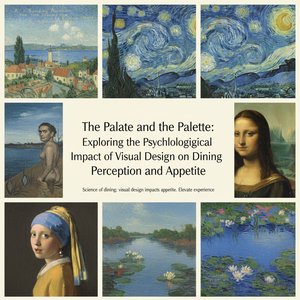
El Paladar y la Paleta: Explorando el Impacto Psicológico del Diseño Visual en la Percepción de la Comida y el Apetito
Descubre cómo el diseño visual influye en tu percepción del sabor y apetito. Análisis experto de la psicología culinaria, tendencias artísticas y estrategias para una experiencia gastronómica inolvidable.

Los 25 Tesoros del Uffizi: Arte Renacentista para tu Hogar | ArtsDot
Descubre los 25 tesoros del Uffizi en Florencia: Botticelli, Leonardo da Vinci y más. Explora la historia, el arte renacentista y encuentra reproducciones de alta calidad para tu hogar. ¡Inspírate con ArtsDot.com!


