


 Encargar reproducción Comprar imagen en alta resolución
 Enviar
 Compartir
 Details
 Añadir a favoritos

 Descargar
 Similares
 X-Ray
X-Ray
 Presentación de diapositivas
Still-Life
 Acrylic On Canvas
- WallArt
- Dutch Baroque
 1655
1655 126.0 x 106.0 cm
 Rijksmuseum
Giclée / Impresión de arte
Impresión giclée o en lienzo de calidad de museo con producción rápida y opciones de acabado flexibles.
 Leer más información



P118B $10

P118H $10

P118W $10

P438Z $10

P508JH $12

P508YH $12

P805H $10

P805Z $10

P919BZ $10

P919G $10

P919XJ $10

P959ZH $10

P968JZ $12

W106C $8

W218G $10

W218JH $8

W218Y $10

W307PJ $10

W316G $10

W316PJ $8

W316Y $10

W398PJ $8

W4111J $10

W500HY $15

W500JH $15

W692G $12

W849H $8

W940BG $15

W953PJ $8




Elija entre nuestros tamaños predefinidos que respetan las proporciones originales de la obra.

Puede introducir sus propias dimensiones para adaptarse a un marco o espacio específico. Si el tamaño seleccionado no coincide con las proporciones de la imagen original, recortaremos la obra de arte o extenderemos la imagen con un borde con efecto espejo o de color sólido. Se enviará una maqueta digital para su aprobación antes de que comience la producción.
Tenga en cuenta que la vista previa en pantalla no refleja el recorte o la extensión real. Solo la maqueta mostrará con precisión la composición final.
Aunque existen tamaños personalizados, recomendamos seleccionar una dimensión de la lista predefinida para preservar las proporciones originales.
Entrega mundial () en 2 semanas en lugar de las 4/5 semanas estándar. (1 julio)

Envío exprés gratuito a todo el mundo

Lienzo de lino de alta calidad

Seguro de envío total

Garantía de reembolso de impuestos aduaneros

Garantía de fidelidad de color

Política de devolución de 60 días (solo por defectos)

Garantía de devolución del 100% del dinero

Descuento por pedido múltiple
 La opción de vidrio solo está disponible en tamaños inferiores a 110 cm.

Still-Life
Giclée / Impresión de arte
Tamaño de la reproducción
-


Precio total final
-
Descripción de la obra
A Symphony of Light and Color: Exploring Abraham Hendricksz. van Beyeren’s Still Life
The Dutch Golden Age witnessed an unparalleled flourishing of artistic creativity, fueled by economic prosperity and intellectual curiosity. Among the luminaries of this era stands Abraham Hendricksz. van Beyeren (1620 – 1690), a painter whose meticulous depictions of fruit, vegetables, and fish continue to captivate audiences centuries later. His masterpiece, “Still Life,” transcends mere representation; it embodies the spirit of its time—a profound appreciation for the natural world intertwined with masterful artistic execution.The Painter’s Influence: Vermeer's Legacy
Van Beyeren’s artistic journey began under the tutelage of Johannes Vermeer, a fellow Delft artist whose groundbreaking use of light and color profoundly shaped the visual landscape of the Golden Age. Vermeer’s obsession with capturing atmospheric illumination—the subtle interplay between sunlight and shadow—became a cornerstone of van Beyeren's technique. This dedication to realism wasn’t simply about accurate depiction; it was an attempt to convey emotion, to infuse his canvases with a sense of palpable presence. As Vermeer himself famously remarked, “Light is the soul of painting.” Van Beyeren wholeheartedly embraced this philosophy, striving to emulate Vermeer’s luminous style and achieving remarkable success.Technique and Composition: Precision Meets Elegance
“Still Life” exemplifies van Beyeren's meticulous approach to painting. He employed a layering technique—often referred to as glazing—where thin washes of translucent color are applied over subsequent layers of opaque pigment. This method allowed him to build up tonal gradations with astonishing subtlety, creating an illusion of depth and texture that is characteristic of Vermeer’s oeuvre. The composition itself is carefully considered, featuring a tabletop adorned with an assortment of fruits – apples, oranges, bananas, grapes – arranged in a harmonious arrangement. A vase adds a decorative element, subtly enhancing the visual richness of the scene. Notice how van Beyeren skillfully directs the viewer's gaze through the interplay of light and shadow, emphasizing certain objects while maintaining overall balance.Historical Context: Reflecting Dutch Society’s Values
Painted circa 1655, “Still Life” reflects the values prevalent in Dutch society during the Golden Age—a period marked by burgeoning mercantile success and a humanist worldview. The depiction of fruit and vegetables wasn't merely decorative; it served as a symbol of abundance and prosperity – emblems of the nation’s economic prowess. Furthermore, the meticulous observation of nature aligns with the broader intellectual currents of the time, where scientists and naturalists sought to understand the workings of the cosmos through empirical investigation. The painting speaks to an aesthetic sensibility that prioritized beauty and clarity—qualities valued by both artists and patrons alike.Symbolism: Beyond Representation
Beyond its visual splendor, “Still Life” is laden with symbolic meaning. Fruits – particularly apples and oranges – often represented knowledge and virtue in Dutch iconography. Their placement on the table underscores the importance of contemplation and appreciation for earthly delights. The vase itself symbolizes grace and refinement—a reflection of the aristocratic tastes that fueled artistic patronage during van Beyeren’s lifetime. By capturing these subtle nuances, van Beyeren elevates his painting beyond a simple depiction of objects; he invites viewers to engage in a deeper exploration of ideas and emotions.Emotional Impact: A Moment Frozen in Time
Ultimately, “Still Life” succeeds in conveying a profound sense of tranquility and beauty. The soft light bathing the scene evokes feelings of warmth and serenity—a testament to van Beyeren’s masterful manipulation of color and texture. It's a painting that invites contemplation, prompting viewers to savor the simple pleasures of life and to appreciate the exquisite artistry of a bygone era. Like Vermeer before him, van Beyeren captured not just what he saw but also what he felt—creating an enduring masterpiece that continues to resonate with audiences today.Obras similares


Biografía del artista
Abraham Hendricksz. van Beyeren: A Master of Dutch Still Life
Abraham Hendricksz. van Beyeren (1620 – 1690) occupies a revered position within the annals of Dutch art history, recognized for his breathtaking portrayals of floral arrangements, luscious fruits, and glistening fish—subjects that perfectly encapsulated the Golden Age’s fervent devotion to natural splendor and unwavering commitment to observational accuracy. Born in The Hague, Netherlands, he cultivated his artistic talent amidst the vibrant intellectual and creative currents of his time, securing acclaim as a respected artist across Leiden, Delft, and Amsterdam.Early Life and Artistic Training
Information concerning van Beyeren’s formative years remains somewhat fragmentary, yet biographical records indicate that he benefited from instruction under Johannes Vermeer—a painter whose influence profoundly shaped van Beyeren's artistic approach. Vermeer’s meticulous handling of light and color—a hallmark of his distinctive style—is unmistakably mirrored in van Beyeren’s oeuvre, demonstrating a shared dedication to capturing reality with scientific precision. This deliberate consideration for illumination wasn’t merely stylistic; it stemmed from a broader humanist conviction that art could illuminate understanding and appreciation of the natural world, aligning him seamlessly with the intellectual currents propelling seventeenth-century Europe.Style Evolution: From Darkness to Light
Van Beyeren's artistic style experienced a notable metamorphosis throughout his career—a transformation mirroring prevailing trends within Dutch painting at the time. Initially, his canvases bore a darker palette and employed dramatic chiaroscuro—a technique pioneered by Caravaggio—maximizing visual impact through stark contrasts between light and shadow. However, as his artistic journey progressed, he transitioned to a lighter tonal range, favoring softer hues and delicate brushstrokes that conveyed an unparalleled sense of tranquility and grace. This stylistic evolution signaled a deliberate departure from the Baroque’s opulent grandeur toward a more contemplative aesthetic, establishing van Beyeren as a pioneer of serene beauty within Dutch art.Notable Works and Artistic Achievements
Among van Beyeren's most enduring accomplishments is his masterful depiction of “Still Life with Flowers,” currently residing at Mauritshuis Museum in The Hague—a centerpiece of Dutch artistic heritage. This captivating composition exemplifies his signature style: luminous blossoms bathed in diffused light, meticulously arranged to convey the ephemeral beauty of springtime. Similarly impressive is "A Blue and White Porcelain Bowl With Fruit," showcasing van Beyeren’s remarkable ability to render texture and materiality with exceptional fidelity. Furthermore, “A Chinese Porcelain Jug, Grapes And A Peach On A Pewter Plate With A Fobwatch On A Draped Ledges” stands as a testament to his technical virtuosity and artistic vision—a piece that continues to inspire admiration for its meticulous detail and harmonious balance. These artworks solidified van Beyeren’s reputation as one of the foremost still life painters of his era, securing his place among the Dutch Masters.Legacy and Influence
Abraham Hendricksz. van Beyeren's influence extended far beyond his individual masterpieces—resonating throughout subsequent generations of Dutch artists. He established a precedent for portraying natural subjects with luminous color palettes and nuanced tonal gradations—a technique that continues to inform artistic practice today. His unwavering dedication to observation and representation—as pathways to comprehending and savoring the splendor of the natural world—remains an enduring inspiration. Explore more about his art at ArtsDot.com, where you can admire reproductions of his iconic works.
Abraham Hendricksz. Van Beyeren
1620 - 1690 , Países Bajos
Datos clave
- Artistic Movement Or Style: Still Life
- Artists Who Influenced This Artist: ['Johannes Vermeer']
- Date Of Birth: 1620
- Date Of Death: 1690
- Full Name: Abraham Hendricksz. van Beyeren
- Nationality: Dutch
- Notable Artworks:
- Still Life with Flowers
- A blue and white porcelain bowl
- A chinese porcelain jug
- Place Of Birth: The Hague, Netherlands
Artículos relacionados

Los 10 Maestros del Siglo de Oro Holandés: Arte, Historia y Decoración Exclusiva
Descubre los 10 imprescindibles del Siglo de Oro Holandés: Rembrandt, Vermeer y más. Explora la historia, técnica y belleza de estos lienzos clásicos. Encuentra reproducciones de arte exclusivas para decorar tu hogar en .


Reflejos de una Época Dorada: La Pintura Barroca Holandesa y la Innovación Cultural
Descubra la riqueza y el detalle de la pintura barroca holandesa del Siglo de Oro. Explore las obras maestras de Rembrandt, Vermeer y otros artistas clave. Análisis experto e historia cultural.
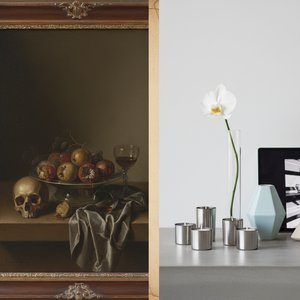
The Enduring Appeal of Still Life: A Historical & Contemporary Exploration
Explore the rich history & symbolism of still life painting with ArtsDot. Discover masterpieces from the Dutch Golden Age, learn about vanitas art, and find expert guidance for collecting timeless artworks.

Severin Roesen: Evoking National Identity Through American Still Life Painting
Explore the captivating world of Severin Roesen, a major American still life painter influenced by Dutch masters. Discover his lush compositions and the symbolism within his art – a window into 19th-century America.

Pintura de Género Holandesa: Un Reflejo Íntimo de la Vida Cotidiana y los Valores Sociales del Siglo de Oro
Descubra la riqueza de la pintura de género holandesa del Siglo de Oro. Explore las obras maestras de Vermeer y Brueghel, su simbolismo y el reflejo de la vida cotidiana en esta época dorada. ¡Conozca más!


