Jan Stolker: Life and Legacy
Early Life and Training
Jan Stolker, a renowned Dutch printmaker, painter, painting dealer, and art collector, was born on July 1, 1724, in Amsterdam, Netherlands. He emerged during a period of artistic transition within the Dutch Golden Age’s aftermath. His formative years were dedicated to honing his skills under the tutelage of Jan Maurits Quinkhard, a respected figure in the Amsterdam art world. This apprenticeship provided Stolker with a solid foundation in drawing, painting techniques, and an understanding of the art market.
Artistic Career and Style
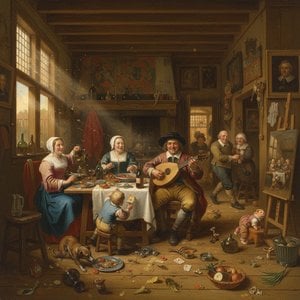
Stolker’s artistic career is marked by his exceptional talent in creating portraits and skillfully executed copies of 17th-century masters. He demonstrated mastery across various mediums including printmaking, painting, and etching. His work often reflects the prevailing tastes of the time – a blend of realism with an emphasis on detail and composition. While not necessarily innovative in style, Stolker’s technical proficiency allowed him to produce works that were highly sought after by collectors.
Membership and Associations
Stolker's commitment to the art world extended beyond his studio practice. He was an active member of both the Confrerie Pictura, a society dedicated to promoting the arts, and the prestigious Rotterdam Guild of Saint Luke. These affiliations demonstrate his integration into the established artistic community and contributed to his professional standing.
Notable Works and Collections
Although not widely known for groundbreaking original compositions, Stolker’s copies and portraits were highly regarded during his lifetime. A significant example of his work is Portrait of Theodorus Bisdom van Vliet and his Family (1757), showcasing his skill in capturing likenesses and social standing. His works can be found in several prominent collections:
- Museum Fridart Stiftung (Amsterdam, Netherlands): Features a collection of European art including pieces by Stolker.
- Stedelijk Museum Amsterdam: While primarily focused on modern and contemporary art, the Stedelijk may hold examples of Stolker’s work within its historical collections.
Influences and Artistic Development
Jan Maurits Quinkhard was a pivotal influence in Stolker's artistic development, imparting technical skills and an understanding of the art market. Beyond his teacher, Stolker drew inspiration from the established masters of the 17th century – artists like Rembrandt, Hals, and Vermeer – whose works he meticulously copied. This practice allowed him to study their techniques firsthand and develop his own style.
Legacy and Historical Significance
Jan Stolker’s impact on the art world lies in his role as a skilled craftsman and diligent copyist. He contributed to the preservation and dissemination of earlier artistic styles, making them accessible to a wider audience. While not considered a revolutionary figure, his work provides valuable insight into 18th-century Dutch artistic tastes and practices. His legacy continues to be appreciated by art historians and collectors interested in this period.
Death
Jan Stolker passed away on June 10, 1785, leaving behind a body of work that reflects his dedication to the artistic traditions of his time. His contributions as an artist, dealer, and collector continue to be recognized within the context of Dutch art history.