


 Vorschau anzeigen
 Versenden
 Teilen
 Details anzeigen

 Herunterladen
 Ähnliche Objekte
 Röntgenaufnahme
 Diashow
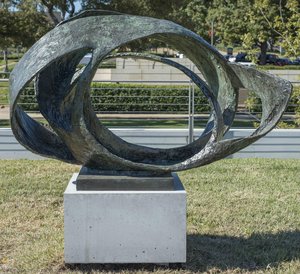
Monkeys
 2001
2001 104.0 x 167.0 cm
 New Orleans Museum of Art
 Weiterlesen
Erwerben Sie ein hochauflösendes, optimiertes digitales Bild, das der Online-Vorschau weit überlegen ist.
Jede Datei wird von unseren hauseigenen Spezialisten mit modernsten Werkzeugen und fachmännischer manueller Retusche sorgfältig vorbereitet. Wir stellen sicher, dass jedes Bild eine außergewöhnliche Klarheit, präzise Farbgenauigkeit und feinste Details aufweist.
Die endgültige Datei wird innerhalb von 72 Stunden per E-Mail zugestellt und ist für den sofortigen Einsatz in professionellen, redaktionellen und Druckumgebungen optimiert. Es handelt sich um dieselbe Qualität, der führende Designstudios, Verlage und Galerien vertrauen.
Digitales Bild
Laden Sie eine hochauflösende Datei für die persönliche Präsentation, den Druck und kreative Projekte herunter. ( Druck bestellen Handgemalte Reproduktion bestellen)
In jeder Bestellung digitaler Bilder enthalten
Professionelle digitale Bereitstellung, garantiert
Wenn Sie sich für ArtsDot.com entscheiden, erhalten Sie nicht nur ein Bild – Sie erhalten ein professionell aufbereitetes digitales Kunstwerk, das mit höchster Präzision erstellt und durch eine Zufriedenheitsgarantie abgesichert wird. Hier ist alles, was automatisch mit Ihrer Bestellung geliefert wird:

Schnelle E-Mail-Zustellung
Ihre hochauflösende digitale Bilddatei wird Ihnen innerhalb von 72 Stunden nach der Bestellung per E-Mail zugestellt – bereit zur sofortigen Verwendung.

KI-optimierte digitale Datei
Ihre Kunstwerke werden professionell mithilfe fortschrittlicher KI-Tools und manueller Bearbeitung optimiert, um maximale Detailtreue, Klarheit und Farbgenauigkeit zu gewährleisten.

Lebenslanger kostenloser Neudruckservice
Datei versehentlich gelöscht oder verloren? Keine Sorge – wir senden sie Ihnen jederzeit kostenlos erneut zu.

Keine Einfuhrgebühren – jemals
Genießen Sie Ihr Kunstwerk sofort ohne Zollgebühren, Einfuhrabgaben oder Versandkosten – digitale Downloads sind immer steuerfrei.

Garantierte Farbtreue
Wir garantieren, dass Ihr digitales Bild mithilfe professioneller Werkzeuge und Farbmanagement die Originalfarben so präzise wie möglich wiedergibt.

60-Tage-Zufriedenheitsgarantie
Sollten Sie mit Ihrem digitalen Bild nicht zufrieden sein, werden wir es überarbeiten oder Ihnen innerhalb von 60 Tagen 100% erstatten – ohne Wenn und Aber.

100% Geld-zurück-Garantie
Nicht zufrieden? Erhalten Sie innerhalb von 60 Tagen nach Erhalt Ihrer digitalen Datei eine vollständige Rückerstattung – ohne Angabe von Gründen.

Rabatte bei Großbestellungen
3 Bilder kaufen, 10% sparen – 5 Bilder kaufen, 15% sparen – Ab 10 Bildern 20% sparen. Ideal für kreative Projekte, Galerien und Agenturen.
Ähnliche Kunstwerke




Biografie des Künstlers
The Architecture of the Self: The Sculptural Vision of Rona Pondick
In the vibrant, often turbulent landscape of contemporary American sculpture, few artists command the intersection of psychological depth and physical form as powerfully as Rona Pondick. Born in Brooklyn, New York, in 1952, Pondick has spent decades navigating the delicate boundary between the tangible and the metaphorical. Her work does not merely occupy space; it interrogates it, using the very language of the human body to articulate the complexities of identity, metamorphosis, and the fragmented nature of memory. To encounter a Pondick sculpture is to witness a profound dialogue between the organic and the artificial, where the familiar contours of flesh are reimagined through a lens of surrealist transformation.
Pondick’s artistic lineage is deeply rooted in the rigorous academic traditions of New York, having refined her technical mastery at Queens College before moving to the prestigious Yale University School of Art. It was during her time at Yale, earning her MFA in 1977, that her sculptural voice began to coalesce under the influence of monumental figures such as Richard Serra and David Von Schlegell. From Serra, she inherited a profound respect for materiality and the way scale can confront and unsettle a viewer, forcing an awareness of one's own physical presence within a space. This early exposure to the avant-garde movement instilled in her a lifelong commitment to challenging conventional boundaries, leading her to move beyond mere representation toward a more symbolic, visceral form of storytelling.
Metamorphosis and the Language of Form
The evolution of Pondick’s oeuvre can be viewed as a journey from the fragmented to the hybrid. Her early career was characterized by works that utilized anatomical fragments—limbs, tors, or torso-like shapes—to evoke the vulnerability of the human condition. These pieces often functioned as unsettling anatomical representations, repurposing domestic or industrial objects to mirror the fragility of life. As her practice matured, this focus shifted toward a more expansive exploration of metamorphosis. In her later works, the human form is no longer just a subject but a site of radical change, merging seamlessly with elements of flora and fauna to create breathtakingly strange hybrid creatures.
This transition into hybridity allowed Pondick to explore even deeper psychological territories. By blending the human silhouette with the textures of nature, she creates a sense of transience—a feeling that her sculptures are caught in a moment of becoming or dissolving. Her use of materials is central to this effect; she employs a sophisticated palette of resin, acrylic, and epoxy modeling compounds that possess a translucent, almost evanescent quality. These materials allow light to penetrate the surface of the sculpture, causing the work to shift and change as the viewer moves around it, mirroring the fluid nature of identity itself.
Color, Light, and Lasting Legacy
In recent years, Pondick has embraced a more vibrant chromatic language that adds a layer of approachability and emotional resonance to her often unsettling subject matter. Moving away from purely monochromatic or industrial tones, she began integrating the primary hues used in photographic printing—magenta, cyan, and yellow—alongside secondary colors like green and blue. This infusion of color does not soften the provocative nature of her work but rather enhances its vitality, making the biological transformations feel even more vivid and immediate. The interplay between these bright pigments and the semi-translucent surfaces creates a luminous effect that captures the viewer's gaze and holds it in a state of wonder.
The historical significance of Rona Pondick lies in her ability to bridge the gap between the monumental traditions of mid-century sculpture and the introspective, identity-driven concerns of contemporary art. Her achievements are marked by a career-long dedication to exploring the "language of the body" in both its literal and metaphorical senses. Through her meticulous craftsmanship and her fearless pursuit of the unknown, Pondick has established herself as a vital voice in the sculptural canon, reminding us that the most profound truths about our existence are often found in the beautiful, strange, and ever-changing forms we inhabit.

rona pondick
1952 - , United States of America
Kurzinfos
- Artistic Movement Or Style: Body language sculpture
- Artists Or Movements Influenced By This Artist: ['Kafka']
- Artists Who Influenced This Artist: ['Richard Serra']
- Date Of Birth: April 18, 1952
- Full Name: Rona Pondick
- Nationality: American
- Notable Artworks:
- Monkeys
- Emma McLaughlin
- Loveseat
- Place Of Birth: Brooklyn, United States

