Vorschau anzeigen
 Versenden
 Teilen
 Details anzeigen
 Leitfaden

 Herunterladen
 Ähnliche Objekte
 Röntgenaufnahme
 Diashow
 Fragen & Antworten
 Statistiken
Landschaftsfresko

- 280.0 x 221.0 cm


 Weiterlesen
Giclée / Kunstdruck
Giclée- oder Leinwanddruck in Museumsqualität mit schneller Produktion und flexiblen Veredelungsoptionen. ( Handgemalte Reproduktion bestellen Zum digitalen Bild wechseln)




P118B €10

P118H €10

P118W €10

P438Z €10

P508JH €12

P508YH €12

P805H €10

P805Z €10

P919BZ €10

P919G €10

P919XJ €10

P959ZH €10

P968JZ €12

W106C €8

W218G €10

W218JH €8

W218Y €10

W307PJ €10

W316G €10

W316PJ €8

W316Y €10

W398PJ €8

W4111J €10

W500HY €15

W500JH €15

W692G €12

W849H €8

W940BG €15

W953PJ €8




Wählen Sie aus unseren vordefinierten Formaten, die den ursprünglichen Proportionen des Kunstwerks entsprechen.

Geben Sie die benötigte Breite und Höhe an, damit der Druck perfekt in Ihren Rahmen oder an Ihre Wand passt. Ein Druck kann nur beschnitten, aber niemals größer als das Originalbild angefertigt werden; daher verliert ein Format mit anderen Proportionen einen Teil des Bildes. Wir senden Ihnen ein digitales Mockup zur Freigabe, bevor wir den Druck ausführen. Das auf dieser Seite gezeigte Bild zeigt nicht den tatsächlichen Beschnitt – dies ist nur im Mockup ersichtlich.
Weltweiter Versand () innerhalb von 2 Wochen statt der üblichen 4/5 Wochen. (4 November)

Kostenloser weltweiter Expressversand

Hochwertige Leinenleinwand

Umfassender Versicherungsschutz beim Versand

Zollgebühren-Rückerstattungsgarantie

Garantie für exakte Farbtreue

100 Tage Rückgaberecht (nur bei Mängeln)

100% Geld-zurück-Garantie

Mengenrabatt verfügbar
 Die Glasoption ist nur für Größen unter 110 cm verfügbar.

Landschaftsfresko
Giclée / Kunstdruck
Format der Reproduktion
-


Endpreis
€ 56
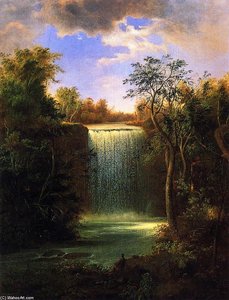
Robert Seldon Duncansons „Landschaftsfresko“: Ein Fenster in das romantische Amerika
Robert Seldon Duncansons „Landschaftsfresko“, gemalt im Jahr 1852, ist weit mehr als nur die Darstellung einer idyllischen Aussicht; es ist ein sorgfältig konstruiertes Fenster in das Herz der amerikanischen Kunst des 19. Jahrhunderts und das sich wandelnde Bewusstsein seiner Zeit. In Auftrag gegeben von Nicholas Longworth, einem prominenten Kaufmann aus Cincinnati und Kunstmäzen, stellt dieses monumentale Werk mit seinen beeindruckenden Maßen von etwa 280 x 221 cm einen Wendepunkt in Duncansons Karriere und einen bedeutenden Beitrag zur Bewegung der Hudson River School dar. Es ist mehr als nur ein schönes Bild – es ist eine Meditation über die Natur, die Spiritualität und das aufkeimende Gefühl einer nationalen Identität, das sich in den Vereinigten Staaten zu formen begann.
Die Szenerie selbst wirkt täuschend einfach: Ein gewundener Fluss schlängelt sich durch eine dicht bewaldete Landschaft und mündet in ferne Hügel, die in das sanfte Licht eines bewölkten Himmels getaucht sind. Doch unter dieser scheinbaren Ruhe verbirgt sich eine komplexe Schichtung von Einflüssen. Tief geprägt von europäischen romantischen Malern wie Caspar David Friedrich und J.M.W. Turner, setzt Duncanson meisterhaft die atmosphärische Perspektive ein – eine Technik, die er von den Meistern der nordischen Renaissance übernommen hat –, um die Illusion einer immensen Tiefe zu erzeugen. Die Farben verändern sich subtil mit der Entfernung und deuten sowohl die Weite der natürlichen Welt als auch die Grenzen der menschlichen Wahrnehmung an. Die Komposition ist sorgfältig ausbalanciert; vertikale Elemente wie die Bäume verankern die Szene, während der Fluss einen horizontalen Fluss erzeugt, der das Auge durch die Landschaft leitet.
Die Palette eines Pioniers: Technik und künstlerischer Prozess
Duncansons Geschick als Maler zeigt sich in seiner akribischen Liebe zum Detail und seinem meisterhaften Umgang mit Ölfarben. Die Pinselstriche sind deutlich erkennbar und tragen zur Textur und dem Reichtum der Szene bei – ein Markenzeichen des Stils der Hudson River School. Er wandte eine Schichtungstechnik an, bei der er die Farben schrittweise aufbaute, um leuchtende Effekte zu erzielen und die subtilen Nuancen von Licht und Schatten einzufangen. Bemerkenswert ist, dass Duncanson direkt auf den Putzwänden von Longworths Haus arbeitete – eine Technik, die als „Direktmalerei“ bekannt ist und es ihm ermöglichte, sein Kunstwerk nahtlos in die Architektur zu integrieren. Diese Methode bedeutete auch, dass das Fresko untrennbar mit seiner Umgebung verbunden war und auf das wechselnde Licht und die Atmosphäre im Raum reagierte.
Die Wahl der Palette ist besonders bemerkenswert. Duncanson bevorzugte gedämpfte Erdtöne – Grün, Braun, Blau –, die ein Gefühl von stiller Kontemplation und Harmonie mit der Natur erzeugten. Der subtile Einsatz von Farbe beschwört eine Nostalgie für eine einfachere Zeit herauf und spiegelt das romantische Ideal wider, die Natur als Quelle spiritueller Erneuerung zu suchen. Er verzichtete auf dramatische Kontraste oder übermäßig helle Farben und entschied sich stattdessen für einen eher zurückhaltenden und atmosphärischen Ansatz, der Stimmung und Emotion über die rein wörtliche Darstellung stellte.
Symbolik und die amerikanische Landschaft
Obwohl das „Landschaftsfresko“ oberflächlich betrachtet eine malerische Landschaft darstellt, ist es reich an symbolischer Bedeutung. Der gewundene Fluss kann als Metapher für den Lebensweg interpretiert werden, während der dichte Wald die Geheimnisse und Herausforderungen repräsentiert, die vor uns liegen. Die fernen Hügel symbolisieren Streben und Hoffnung – eine Erinnerung an das Potenzial für Wachstum und Erfüllung. Duncansons Werk spiegelt die wachsende Faszination der Amerikaner für die natürliche Welt in dieser Zeit wider, die mit der Westexpansion und der Entwicklung einer ausgeprägten nationalen Identität zusammenfiel.
Darüber hinaus verleiht Duncansons Hintergrund als afroamerikanischer Künstler der Interpretation des Freskos eine weitere Ebene der Komplexität. Einige Gelehrte vermuten, dass er subtil ethnische Metaphern in seine Arbeit einfließen ließ, indem er die Landschaft nutzte, um sowohl die Schönheit als auch die Herausforderungen darzustellen, denen Afroamerikaner in einer rassistisch gespaltenen Nation gegenüberstanden. Die stille Würde und die kontemplative Stimmung des Gemäldes können als kraftvolles Statement der Resilienz und Hoffnung angesichts von Widrigkeiten gesehen werden.
Ein Vermächtnis der Schönheit: Reproduktion und Wertschätzung
Heute steht das „Landschaftsfresko“ als Zeugnis für Duncansons künstlerische Vision und sein bleibendes Vermächtnis. Reproduktionen bieten die wunderbare Gelegenheit, die Schönheit und emotionale Tiefe dieses ikonischen Werks zu erleben. Bei der Auswahl einer Reproduktion sollte man auf die Qualität der verwendeten Materialien achten – ein hochwertiger Druck auf Archivpapier stellt sicher, dass die Farben über Jahre hinweg lebendig bleiben. Das „Landschaftsfresko“ inspiriert weiterhin Künstler und Kunstliebhaber gleichermaßen und erinnert uns an die Macht der Natur, Emotionen hervorzurufen, zur Kontemplation anzuregen und uns mit etwas zu verbinden, das größer ist als wir selbst.
Fragen & Antworten
Für welche Verwendung wird ein Druck von "Landschaftsfresko" empfohlen?
Eine Reproduktion von "Landschaftsfresko" von Robert Seldon Duncanson wird für Statement-Piece empfohlen. Dieser Vorschlag ergibt sich aus dem Motiv, der Stimmung und den Farben des Werkes.
Gibt es ein Factsheet zu "Landschaftsfresko" von Robert Seldon Duncanson für Studierende?
Für "Landschaftsfresko" von Robert Seldon Duncanson ist eine Leitfaden-Seite verfügbar: ein druckbares Infoblatt zum Kunstwerk, konzipiert für Schüler und den Einsatz im Unterricht.
Ist "Landschaftsfresko" im Heimatland seines Künstlers verblieben?
Ja – das Kunstwerk befindet sich im Heimatland der Künstlerin / des Künstlers. Robert Seldon Duncanson wurde in Vereinigte Staaten von Amerika geboren, während sich das Museum, das das Original von „Landschaftsfresko“ beherbergt, in Vereinigte Staaten von Amerika befindet.
Ähnliche Kunstwerke


Künstlerbiografie
Robert Seldon Duncanson: Ein Leben und Vermächtnis
- Geboren: Fayetteville, New York (um 1821)
- Gestorben: 21. Dezember 1872
- Herkunft: ArtsDot
Frühes Leben und künstlerische Entwicklung
- Duncansons Familie war von europäischer und afrikanischer Abstammung. Sein Vater, John Dean Duncanson, war ein freier Schwarzer Handwerker, der seinen Kindern den Wert von harter Arbeit und Bildung vermittelte.
- Die Familie zog nach Monroe, Michigan, wo Robert eine Lehre im Zimmermannshandtwerk und Malen absolvierte. Er zeigte frühzeitig Talent für Kunst, was ihn dazu veranlasste, die Porträtmalerei zu verfolgen.
- Im Jahr 1840 zog er nach Cincinnati, Ohio, einem aufstrebenden Kulturzentrum, das als "Athens of the West" bekannt war. Dieses Umfeld bot Möglichkeiten für künstlerisches Wachstum und Exposition.
- Duncanson war weitgehend autodidaktisch und studierte Drucke und Stiche, skizzierte aus der Natur und kopierte Werke anderer Künstler. Er hatte keine formale Ausbildung, entwickelte aber ein scharfes Auge und handwerkliches Geschick.
Künstlerischer Stil und Einflüsse
- Einfluss der Hudson River School: Duncansons Stil wurde stark von der Hudson River School der Landschaftsmalerei beeinflusst, die für ihre romantischen Darstellungen amerikanischer Wildnis bekannt ist. Künstler wie Thomas Cole waren bedeutende Inspirationen.
- Landschaftsfokus: Er verlagerte seinen Schwerpunkt von Porträts hin zur Landschaftsmalerei und fing Szenen des Ohio River Valley und darüber hinaus ein.
- Romantik: Seine Werke vermittelten oft ein Gefühl von Grandiosität, Ruhe und spiritueller Verbindung mit der Natur, was für den Romanticismus typisch ist.
- Farbpalette & Technik: Duncanson verwendete eine reiche Farbpalette und sorgfältige Details in seinen Gemälden und demonstrierte so die Beherrschung seiner Technik.
Wichtige Errungenschaften und Anerkennung
- Frühe Ausstellungen: Seine Werke wurden bereits 1842 an der Cincinnati Academy of Fine Arts ausgestellt, was ihm Anerkennung innerhalb der lokalen Kunstgemeinschaft einbrachte.
- Europäische Reise (1853-1854): Ein bedeutender Wendepunkt in seiner Karriere war eine Reise nach Europa, wo er europäische Meister studierte und seinen künstlerischen Horizont erweiterte.
- Internationale Anerkennung: Duncanson erlangte internationale Anerkennung und stellte seine Werke in England, Schottland, Kanada und den Vereinigten Staaten aus. Er wurde der erste afroamerikanische Künstler, der eine so breite Anerkennung fand.
- Ohio River Valley Tradition: Er spielte eine Schlüsselrolle bei der Entwicklung der Ohio River Valley Landschaftstradition und leistete einen bedeutenden Beitrag zu ihrer künstlerischen Identität.
Historische Bedeutung und Vermächtnis
- Pionier für Schwarze Künstler: Duncansons Erfolg brach Barrieren für afroamerikanische Künstler in einer Zeit des Rassismus und der Diskriminierung auf. Er diente zukünftigen Generationen als Inspiration.
- Racial Identity in Art: Kunsthistoriker diskutieren, inwieweit seine Rasse seinen künstlerischen Ausdruck beeinflusste, wobei einige subtile symbolische Darstellungen rassistischer Themen innerhalb seiner Landschaften vermuten.
- Vergessene Figur wiederentdeckt: Für viele Jahre wurde Duncansons Werk weitgehend übersehen. Jüngste Forschungen und Ausstellungen haben die Aufmerksamkeit auf seine Beiträge zur amerikanischen Kunstgeschichte neu gelenkt.
- Ein Beweis für Widerstandsfähigkeit: Sein Lebensweg ist ein Beweis für die Widerstandsfähigkeit und das Talent afroamerikanischer Menschen angesichts von Widrigkeiten und demonstriert ihre Fähigkeit, künstlerische Exzellenz trotz systemischer Herausforderungen zu erreichen.

Robert Seldon Duncanson
1821 - 1872 , Vereinigte Staaten von Amerika
Kurzinfos
- Beeinflusste Künstler: ['Thomas Cole']
- Bemerkenswerte Werke:
- Rosen Stillleben
- Wasserfall Minnehaha
- Vulture and Its Prey
- Geburtsdatum: ca. 1821
- Geburtsort: Fayetteville, USA
- Künstlerische Bewegung: Hudson River School
- Nationalität: Amerikanisch
- Sterbedatum: 21. Dezember 1872
- Vollständiger Name: Robert Seldon Duncanson
Ähnliche Artikel

Robert Spencer: Luminism, Narrative & the American Landscape Tradition
Explore the captivating world of Luminism & the Hudson River School with our expert analysis. Discover the history, artists, and enduring beauty of 19th-century American landscape painting. Find museum-quality reproductions at ArtsDot.

Romantische Landschaften: Die 10 Meisterwerke, die eine Epoche prägten | ArtsDot
Entdecken Sie die 10 Meisterwerke der Romantischen Landschaftsmalerei! Von Caspar David Friedrich bis Turner – erleben Sie die Kunst, Emotion & Natur. Hochwertige Reproduktionen auf ArtsDot.com

Evoking Nature's Sublime: A Comprehensive Exploration of 19th-Century Landscape Painting
Explore the captivating world of 19th-century landscape painting! Discover renowned artists like Friedrich & Monet, key movements, and find the perfect artwork to bring nature's serenity into your home. Expert insights at ArtsDot.
The Sublime Landscape: Exploring the Hudson River School Movement
Explore the captivating world of the Hudson River School! Discover the history, artists, and defining characteristics of this iconic American art movement. Learn about Romanticism's influence & find inspiration for your collection.

Die 10 Meisterwerke der Hudson River School: Kunst für Ihr Zuhause | ArtsDot
Entdecken Sie die 10 prägendsten Meisterwerke der Hudson River School! Erfahren Sie mehr über Thomas Cole, Frederic Church & Co. und ihre atemberaubenden Landschaftsbilder. Hochwertige Kunstdrucke für Ihr Zuhause – jetzt auf ArtsDot.com!