 Versenden
 Teilen
 Details anzeigen

 Herunterladen
 Ähnliche Objekte
 Diashow
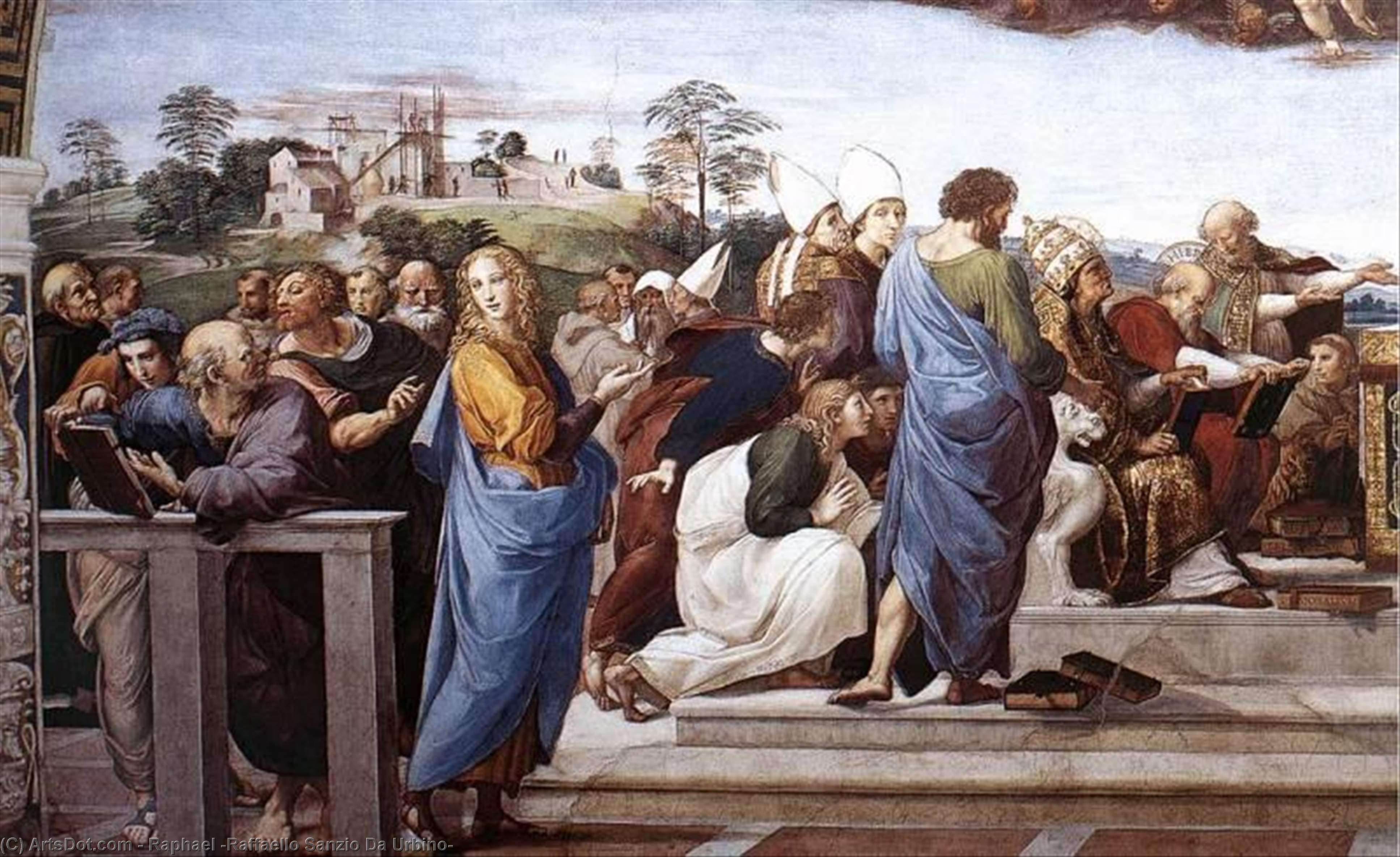
La disputa (detail)92

 Weiterlesen
Handgefertigte Ölreproduktion
Handgemaltes Ölgemälde auf Leinwand in Ihrer Wunschgröße und mit Rahmen, auf Bestellung von unseren Künstlern angefertigt. ( Zum Druck wechseln Zum Bild wechseln)




P118B $10

P118H $10

P118W $10

P438Z $10

P508JH $12

P508YH $12

P805H $10

P805Z $10

P919BZ $10

P919G $10

P919XJ $10

P959ZH $10

P968JZ $12

W106C $8

W218G $10

W218JH $8

W218Y $10

W307PJ $10

W316G $10

W316PJ $8

W316Y $10

W398PJ $8

W4111J $10

W500HY $15

W500JH $15

W692G $12

W849H $8

W940BG $15

W953PJ $8




Wählen Sie aus unseren vordefinierten Formaten, die den ursprünglichen Proportionen des Kunstwerks entsprechen.

Sie können Ihre eigenen Maße eingeben, um einen bestimmten Rahmen oder Platz auszufüllen. Wenn die gewählte Größe nicht den Proportionen des Originalbildes entspricht, werden wir das Kunstwerk entweder beschneiden oder das Gemälde durch zusätzliche, handgemalte Elemente erweitern. Ein digitales Mockup wird Ihnen zur Genehmigung zugesandt, bevor die Produktion beginnt.
Bitte beachten Sie, dass die Bildschirmvorschau nicht die tatsächliche Beschneidung oder Erweiterung widerspiegelt. Nur das Mockup zeigt die endgültige Komposition exakt an.
Obwohl Sondermaße verfügbar sind, empfehlen wir, eine Größe aus der vordefinierten Liste zu wählen, um die ursprünglichen Proportionen beizubehalten.
Nach der Bestellung wird das ArtsDot.com-Team dem Kunden Anweisungen per E-Mail zusenden und eine Mockup-Vorschau bereitstellen.
Weltweiter Versand () in nur 3 bis 4 Wochen statt der üblichen 5 Wochen. (10 August). Keine Kompromisse bei der Qualität.

Kostenloser weltweiter Expressversand

Hochwertige Leinenleinwand

Umfassender Versicherungsschutz beim Versand

Zollgebühren-Rückerstattungsgarantie

Garantie für exakte Farbtreue

60 Tage Rückgaberecht (nur bei Mängeln)

100% Geld-zurück-Garantie

Mengenrabatt verfügbar
 Die Glasoption ist nur für Größen unter 110 cm verfügbar.

La disputa (detail)92
Art der Reproduktion
Format der Reproduktion
-


Gesamtpreis
$ 263
Beschreibung des Kunstwerks
La Disputa: A Symphony of Faith and Reason
The *Disputation of the Holy Sacrament*, painted between 1509 and 1510 by Raphael during his tenure decorating the Stanza della Segnatura in Vatican City, stands as a cornerstone of High Renaissance art—a testament to humanist ideals intertwined with profound theological contemplation. Commissioned by Pope Julius II for the papal library, this fresco transcends mere visual representation; it embodies an intellectual dialogue between divine grace and human understanding, meticulously crafted by Raphael’s unparalleled artistic vision.- Subject Matter: The scene depicts a formal debate concerning the Eucharist—the sacrament of Holy Communion—a central pillar of Christian faith. It's not simply a depiction of religious ritual but an exploration of its philosophical implications.
- Style & Composition: Raphael’s masterful use of perspective and balanced symmetry creates a harmonious visual experience, characteristic of Renaissance aesthetics. The fresco is divided into two semicircles—one above the altar representing the Church Triumphant, the other below symbolizing the Church Militant—establishing a dynamic interplay between earthly struggles and heavenly glory.
- Technique: Raphael employed the technique of *fresco*, applying pigment directly onto wet plaster, ensuring remarkable durability and preserving the artwork’s vibrant colors for centuries. The meticulous layering of glaze over underpainting contributes to the luminous quality of the painting, capturing the ethereal glow of divine light.
Historical Context: Renaissance Humanism Meets Papal Patronage
The *Disputation of the Holy Sacrament*, painted between 1509 and 1510 during Raphael’s tenure as papal architect in Rome, stands at the forefront of Michelangelo's artistic legacy. Commissioned by Pope Julius II for the Stanza della Segnatura—one of four opulent rooms decorating the Vatican Palace—the fresco embodies the spirit of Renaissance humanism, a movement that championed reason and observation alongside classical ideals. However, it’s equally rooted in papal patronage, reflecting the Church's ambition to assert its authority and prestige during a period marked by political upheaval and religious reform. Julius II himself was a fervent supporter of humanist scholarship and artistic innovation, recognizing Raphael’s genius as instrumental in elevating the Vatican’s visual splendor. The painting reflects this intellectual fervor through its careful arrangement of figures and symbols—a deliberate effort to communicate theological truths with clarity and grandeur.Subject Matter and Composition
At its core, the Disputation is a profound meditation on divine revelation and Christian theology. Raphael meticulously depicts a scene from scripture: Christ debating Saint Peter about the Eucharist – the sacrament of Holy Communion—before Mary and John the Baptist. This central tableau dominates the composition, framed by an aureole encircling Christ and illuminated by ethereal light, symbolizing God’s omnipresence and grace. The figures are arranged in two semicircles, mirroring the biblical narrative itself, creating a harmonious balance that underscores the importance of theological contemplation. Raphael skillfully employs perspective to convey depth and realism, grounding the celestial realm in earthly reality—a hallmark of Renaissance artistic ambition.Style and Technique
Raphael’s masterful technique exemplifies the ideals of High Renaissance art. Executed between 1509 and 1510 as part of his monumental commission to decorate the Stanza della Segnatura in Vatican City, the fresco demonstrates an unparalleled command of chiaroscuro—the dramatic interplay of light and shadow—creating a palpable sense of atmosphere and conveying emotional intensity. Raphael’s brushstrokes are smooth and delicate, achieving remarkable tonal gradation and capturing subtle nuances of expression. The artist's meticulous attention to detail is evident in every aspect of the painting, from the drapery folds to the facial features, reflecting the humanist fascination with anatomical accuracy and naturalism.Historical Context
The Disputation stands as a cornerstone of Renaissance artistic achievement, situated within the broader intellectual and spiritual currents of its time. Commissioned by Pope Julius II during his ambitious patronage of the arts—a period marked by papal ambition and rivalry—the fresco reflects the humanist conviction that art could illuminate moral truths and elevate the human spirit. Raphael’s work aligns seamlessly with Leonardo da Vinci's and Michelangelo's groundbreaking explorations of perspective, anatomy, and emotion, establishing a triumvirate of artistic geniuses who reshaped Western visual culture. The Stanza della Segnatura itself was conceived as a didactic space intended to inspire contemplation on divine mysteries—a testament to the papal desire to foster piety and intellectual enlightenment.Symbolism and Emotional Impact
Beyond its formal brilliance, the Disputation is laden with symbolic significance. The central tableau depicts the Holy Eucharist—the sacrament of communion—representing Christ’s sacrifice for humanity and embodying the divine Trinity. The figures surrounding Christ embody both earthly and heavenly realms, symbolizing the Church Militant (those actively battling evil) and the Church Triumphant (those victorious in eternal life). Raphael's masterful use of light and color contributes to an atmosphere of solemn grandeur, conveying a profound sense of spiritual reverence. The inclusion of portraits of prominent figures—Bramante, Francesco Maria Della Rovere, Dante—underscores the painting’s engagement with humanist ideals and its celebration of intellectual accomplishment. Ultimately, “La Disputa” transcends mere visual representation; it aspires to evoke contemplation on faith, reason, and the sublime beauty of God's revelation—leaving an indelible impression on viewers who appreciate the artistic legacy of Renaissance Italy.Ähnliche Kunstwerke


![Stanze Vaticane - La Disputa (detail) [04] — Raffael, Hochrenaissance](/media/artworks/images/thumbnails/f6/32/f6329bd6bb8847f99363c8080abed822.jpg)


Über den Künstler
**frühes Leben und Ausbildung**
Raphael (Raffaello Sanzio da Urbino), ein renommierter italienischer Maler und Architekt, wurde zwischen dem 28. März und dem 6. April 1483 in der kleinen, aber kulturell bedeutenden Stadt Urbino geboren. Sein Vater, Giovanni Santi, war Hofmaler des Herzogs und vermittelte Raphael von Anfang an eine frühe Auseinandersetzung mit der künstlerischen Welt. Nach dem Tod seines Vaters im Alter von elf Jahren betrieb Raphael wahrscheinlich die Familienwerkstatt weiter, was seine künstlerische Grundlage festigte.**Künstlerischer Werdegang und Einflüsse**
Raphaels künstlerischer Weg lässt sich in drei verschiedene Phasen einteilen, jede mit einem einzigartigen Stil gekennzeichnet:- Frühe Jahre in Umbrien: Charakterisiert durch den Einfluss seines Vaters und die kulturelle Atmosphäre von Urbino.
- Florentinische Periode (1504-1508): Aufnahme der künstlerischen Traditionen Florenz, die seinen Stil maßgeblich prägte.
- Römische Periode (1508-1520): Arbeitete für zwei Päpste und ihre Mitarbeiter und schuf einige seiner bekanntesten Werke, darunter die Schule der Athene in der Vatikanische Stanza della Segnatura.
**Bekannte Werke und Vermächtnis**
Einige der bekannten Werke von Raphael sind:- Das Urteil des Salomon (ansicht auf ArtsDot)
- Die Esterházy-Madonna (ansicht auf ArtsDot)
- Vatikanische Stanzen - Ansicht der Stanza della Segnatura (ansicht auf ArtsDot)
- St. Sebastian (ansicht auf ArtsDot)
- La Donna Velata (ansicht auf ArtsDot)
**Einfluss und Vermächtnis**
Raphaels Einfluss auf die Kunst ist tiefgreifend, wobei sein Werk ein Eckpfeiler der Hochrenaissance darstellt. Sein ruhiger und harmonischer Stil war ein Vorbild für die neoklassische Malerei, wie von Kunsthistoriker Johann Joachim Winckelmann bemerkt. Trotz des späteren Einflusses von Michelangelos Stil bleibt Raphael einer der verehrtesten Künstler in der Geschichte. ansicht des Profils von Raphael auf ArtsDot
Raffael
1483 - 1520 , Italien
Kurzinfos
- Beeinflusste Künstler:
- Giovanni Santi
- Pietro Perugino
- Bemerkenswerte Werke:
- Das Urteil des Salomon
- Esterházy-Madonna
- Die Schule der Athener
- St. Sebastian
- La Donna Velata
- Einfluss Auf Kunst: Neoklassische Malerei
- Geburtsdatum: 1483
- Geburtsort: Urbino, Italien
- Künstlerischer Stil: Hochrenaissance
- Nationalität: Italienisch
- Todatum: 1520
- Vollständiger Name: Raffaello Sanzio da Urbino
- Von Künstlern Beeinflusst:
- Leonardo da Vinci
- Michelangelo
Ähnliche Artikel

Raphael: Die 25 Meisterwerke des Renaissance-Genies – Kunst für Ihr Zuhause
Entdecken Sie die 25 schönsten Meisterwerke von Raphael! Tauchen Sie ein in die Welt der Renaissance-Kunst, erfahren Sie faszinierende Geschichten und lassen Sie sich von den Farben und Kompositionen inspirieren. Hochwertige Reproduktionen auf ArtsDot.com.
Das Familienerbe an die Wand bringen: Wandgemälde als Generationenschatz
Verwandeln Sie Ihre Familiengeschichte in ein beeindruckendes Wandgemälde! Expertenrat & hochwertige Handwerkskunst für einzigartige Kunstwerke, die Generationen verbinden. Entdecken Sie jetzt!

The Enduring Legacy of Fresco Painting: Techniques, History & Contemporary Relevance
Explore the rich history & enduring artistry of fresco painting – from Giotto to Michelangelo! Discover techniques, conservation efforts, & modern applications. Learn how ArtsDot brings this timeless art form to your home.

The Enduring Legacy of Fresco: Technique, History & Artistic Expression Across Cultures
Explore the rich history & enduring legacy of fresco painting! Discover ancient techniques, Giotto's masterpieces, and modern applications. Expert insights for art lovers & professionals.
Die 10 Meisterwerke der Hochrenaissance: Kunstgeschichte für Ihr Zuhause |
Entdecken Sie die 10 prägendsten Meisterwerke der Hochrenaissance! Erfahren Sie die Geschichten von Leonardo da Vinci, Michelangelo & Raffael. Finden Sie Ihre perfekte Kunst für Zuhause bei – Museumqualität und exklusive Reproduktionen online entdecken.