


 Vorschau anzeigen
 Versenden
 Teilen
 Details anzeigen

 Herunterladen
 Ähnliche Objekte
 Röntgenaufnahme
 Diashow
 Statistiken
Madonna and Child


 Weiterlesen
Giclée / Kunstdruck
Giclée- oder Leinwanddruck in Museumsqualität mit schneller Produktion und flexiblen Veredelungsoptionen. ( Handgemalte Reproduktion bestellen Zum digitalen Bild wechseln)




P118B $10

P118H $10

P118W $10

P438Z $10

P508JH $12

P508YH $12

P805H $10

P805Z $10

P919BZ $10

P919G $10

P919XJ $10

P959ZH $10

P968JZ $12

W106C $8

W218G $10

W218JH $8

W218Y $10

W307PJ $10

W316G $10

W316PJ $8

W316Y $10

W398PJ $8

W4111J $10

W500HY $15

W500JH $15

W692G $12

W849H $8

W940BG $15

W953PJ $8




Wählen Sie aus unseren vordefinierten Formaten, die den ursprünglichen Proportionen des Kunstwerks entsprechen.

Sie können Ihre eigenen Maße eingeben, um ein bestimmtes Format oder einen speziellen Platz einzupassen. Wenn das von Ihnen gewählte Format nicht den Proportionen des Originalbildes entspricht, werden wir das Kunstwerk entweder beschneiden oder das Bild mit einem gespiegelten oder einfarbigen Rand erweitern. Ein digitaler Entwurf wird Ihnen zur Genehmigung zugesandt, bevor die Produktion beginnt.
Bitte beachten Sie, dass die Vorschau auf dem Bildschirm nicht den tatsächlichen Zuschnitt oder die Erweiterung widerspiegelt. Nur der Entwurf zeigt die endgültige Komposition präzise an.
Obwohl Sondermaße verfügbar sind, empfehlen wir die Auswahl eines Maßes aus der vordefinierten Liste, um die ursprünglichen Proportionen zu bewahren.
Weltweiter Versand () innerhalb von 2 Wochen statt der üblichen 4/5 Wochen. (11 September)

Kostenloser weltweiter Expressversand

Hochwertige Leinenleinwand

Umfassender Versicherungsschutz beim Versand

Zollgebühren-Rückerstattungsgarantie

Garantie für exakte Farbtreue

100-Tage-Rückgaberecht (nur bei Mängeln)

100% Geld-zurück-Garantie

Mengenrabatt verfügbar
 Die Glasoption ist nur für Größen unter 110 cm verfügbar.

Madonna and Child
Giclée / Kunstdruck
Format der Reproduktion
-


Gesamtpreis
$ 62
A Divine Encounter: The Tender Grace of Batoni’s Madonna
In the quiet intimacy of Pompeo Batoni’s Madonna and Child, viewers are invited into a moment of profound tenderness that transcends the centuries. Painted in 1742, this masterpiece serves as a breathtaking testament to the artist's ability to blend the grandiosity of the late Baroque with an emerging, delicate clarity. The scene captures the Virgin Mary in a moment of maternal devotion, cradling the infant Jesus as he appears to nurse. There is a palpable warmth radiating from the canvas, a soft light that illuminates the gentle curve of the Madonna’s cheek and the innocent features of the Christ child. Batoni, a master who bridged the gap between the dramatic flourishes of the Baroque and the poised restraint of Neoclassicism, uses this subject to evoke a sense of peace and sacredness that resonates deeply with the soul.
The composition is a masterful study in balance and subtle symbolism. Beyond the central figures, Batoni weaves a narrative of abundance and earthly vitality through carefully placed details. A fruit basket, laden with ripe apples, rests in the background—a classic iconographic element often representing both the sweetness of life and the fallen state of humanity, redeemed by the child held in Mary's arms. The Madonna herself is adorned with a delicate veil and a fine necklace, elements that lend a touch of aristocratic elegance to her divine persona, reflecting Batoni’s skill as one of Rome’s most celebrated portraitists. Every brushstroke on this oil on canvas contributes to a texture that feels both lifelike and ethereal, making the scene feel less like a distant icon and more like a living, breathing encounter.
A Legacy of Elegance for the Discerning Collector
For the art enthusiast or the interior designer seeking to infuse a space with timeless sophistication, this reproduction offers much more than mere decoration. It is an opportunity to bring the prestige of the Galleria Borghese into a private residence. The painting’s palette—rich, warm, and harmoniously balanced—makes it a versatile centerpiece capable of anchoring a room with its historical weight and emotional depth. Whether placed in a sunlit library or a formal dining hall, the work commands attention through its quiet strength rather than through loud, jarring colors.
Owning a high-quality oil painting reproduction of such a significant work allows for a continuous dialogue with art history. Batoni’s technique, characterized by his academic refinement and inspiration from masters like Raphael, provides a level of detail that rewards close inspection. As the light shifts in a room throughout the day, the subtle shadows and luminous highlights of the painting transform, offering a dynamic visual experience. This piece is not simply an object of beauty; it is an invitation to contemplate the enduring themes of love, divinity, and the human connection, making it an incomparable acquisition for any collection dedicated to the heights of Italian classical art.
Ähnliche Kunstwerke


Über den Künstler
Frühes Leben und Ausbildung
- Geboren: Lucca, Italien (1708)
- Gestorben: 1787
- Pompeo Batoni zog 1727 nach Rom.
- Er absolvierte eine Lehre bei Agostino Masucci, Sebastiano Conca und/oder Francesco Imperiali.
- Sein erster unabhängiger Auftrag kam als Folge von Regenfällen, die Rom im April 1732 heimsuchten.
- Das Gemälde „Die Ekstase der Heiligen Katharina von Siena“ veranschaulicht seine akademische Verfeinerung des späten Barockstils.
Künstlerischer Stil und Einflüsse
- Batonis Stil ließ sich von der klassischen Antike, dem französischen Rokoko, dem Bologneser Klassizismus sowie von Künstlern wie Nicolas Poussin, Claude Lorrain und insbesondere Raffael inspirieren.
- Er gilt als Vorläufer des Neoklassizismus.
- Seine Werke befinden sich in verschiedenen Museen, darunter die Pinacoteca di Brera in Mailand, Italien.
Bemerkenswerte Werke und Aufträge
- Jungfrau und Kind mit Heiligen
- Ein Ritter in Rom: Charles Cecil Roberts – Ein gefeiertes Porträt eines britischen Reisenden vor der Kulisse römischer Ruinen.
- Der Triumph Venedigs
- Zahlreiche Altarbilder für Kirchen in Italien, wie das Museum Duomo in Siena.
- Er war sehr gefragt für Porträts, insbesondere von britischen Reisenden auf der Grand Tour, die stehende Porträts in antiken Settings in Auftrag gaben.
Entwicklung und historische Bedeutung
- Batoni wurde nach dem Weggang seines Rivalen Anton Raphael Mengs nach Spanien im Jahr 1761 zu einem sehr gefragten Maler in Rom.
- Er freundete sich mit Winckelmann an und versuchte, den Klassizismus in seiner Malerei einzuschränken.
- Seine Porträts fingen den Geist der Grand-Tour-Ära ein und spiegelten die Faszination für die klassische Antike unter Europas Eliten wider.
- Batonis Fähigkeit, Barocktechniken mit aufkommenden neoklassizistischen Idealen zu verbinden, positionierte ihn als eine Übergangsfigur in der italienischen Kunstgeschichte.
Vermächtnis
- Pompeo Batoni starb am 4. Februar 1787 in Rom.
- Er hinterließ ein Vermächtnis als einer der renommiertesten italienischen Maler seiner Zeit.
- Seine Arbeit wird weiterhin für ihre technische Fertigkeit, eleganten Kompositionen und aufschlussreichen Darstellungen von Personen im historischen Kontext bewundert.

Pompeo Batoni
1708 - 1787 , Italien
Kurzinfos
- Beeinflusste Künstler:
- Nicolas Poussin
- Claude Lorrain
- Raphael
- Bemerkenswerte Werke:
- Madonna mit Kind
- A Knight in Rome
- Der Triumph Venedigs
- Geburtsdatum: 25. Januar 1708
- Geburtsort: Lucca, Italien
- Künstlerischer Stil: Neoklassizismus
- Nationalität: Italienisch
- Sterbedatum: 4. Februar 1787
- Vollständiger Name: Pompeo Girolamo Batoni
Ähnliche Artikel

The Allure of Elegance in Art: A Historical & Aesthetic Exploration of Refinement & Grace
Explore the exquisite world of Rococo art! Discover its history, masters (Watteau, Boucher & more), and defining elegance. Expert insights for collectors seeking museum-quality reproductions & custom portraits.

Rococo Meisterwerke: Die Top 10, die eine Epoche prägten |
Entdecken Sie die Top 10 Rokoko Meisterwerke von Watteau, Boucher & Fragonard! Erfahren Sie die Geschichten hinter diesen ikonischen Gemälden und lassen Sie sich für Ihre Inneneinrichtung inspirieren. Hochwertige Kunstdrucke auf .
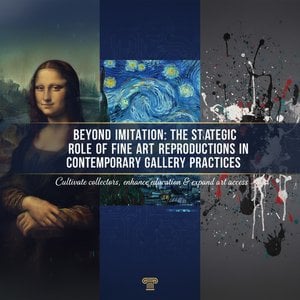
Jenseits der Imitation: Die strategische Rolle hochwertiger Kunst-Reproduktionen in der zeitgenössischen Galeriepraxis
Entdecken Sie hochwertige Kunst-Reproduktionen in Galeriequalität! Handgemalte Gemälde & Giclée Drucke von Experten gefertigt. Individuelle Beratung, sichere Investition – ArtsDot.

The Rococo Aesthetic: Opulence, Rebellion & the Pursuit of Pleasure in 18th-Century Art
Explore the opulent world of Rococo art! Discover its origins, key artists like Watteau & Boucher, and lasting influence on design. Expert insights for collectors & enthusiasts.

Raphael: Die 25 Meisterwerke des Renaissance-Genies – Kunst für Ihr Zuhause
Entdecken Sie die 25 schönsten Meisterwerke von Raphael! Tauchen Sie ein in die Welt der Renaissance-Kunst, erfahren Sie faszinierende Geschichten und lassen Sie sich von den Farben und Kompositionen inspirieren. Hochwertige Reproduktionen auf ArtsDot.com.


