


 In echtem Maßstab anzeigen
 Versenden als Grußkarte
 Teilen
 Details anzeigen
 Leitfaden öffnen

 Herunterladen
 Ähnliche Objekte
 Röntgenaufnahme
 Diashow
 Besucherstatistiken
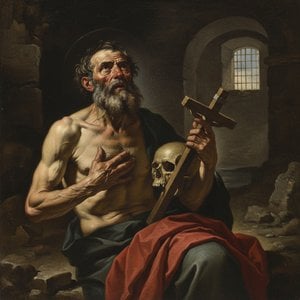
St. Philip


 Mehr anzeigen
Handgefertigte Ölreproduktion
Handgemaltes Ölgemälde auf Leinwand in Ihrer Wunschgröße und mit Rahmen, auf Bestellung von unseren Künstlern angefertigt. ( Zum Druck wechseln Zum digitalen Bild wechseln)




P118B €10

P118H €10

P118W €10

P438Z €10

P508JH €12

P508YH €12

P805H €10

P805Z €10

P919BZ €10

P919G €10

P919XJ €10

P959ZH €10

P968JZ €12

W106C €8

W218G €10

W218JH €8

W218Y €10

W307PJ €10

W316G €10

W316PJ €8

W316Y €10

W398PJ €8

W4111J €10

W500HY €15

W500JH €15

W692G €12

W849H €8

W940BG €15

W953PJ €8




Wählen Sie aus unseren vordefinierten Formaten, die den ursprünglichen Proportionen des Kunstwerks entsprechen.

Geben Sie die Breite und die Höhe an, die Sie für Ihren Rahmen oder Ihre Wand benötigen. Da dieses Werk handgemalt ist, kann der Künstler bei einer anderen Form etwas mehr um das Bild herum malen oder etwas abschneiden – Sie entscheiden. Wir senden Ihnen ein digitales Mockup zur Freigabe, bevor mit dem Malen begonnen wird. Das auf dieser Seite gezeigte Bild stellt nicht das tatsächliche Ergebnis dar – dies tut nur das Mockup.
Nach der Bestellung wird das ArtsDot.com-Team dem Kunden Anweisungen per E-Mail zusenden und eine Mockup-Vorschau bereitstellen.
Weltweiter Versand () in nur 3 bis 4 Wochen statt der üblichen 5 Wochen. (22 Oktober). Keine Kompromisse bei der Qualität.

Kostenloser weltweiter Expressversand

Hochwertige Leinenleinwand

Vollständiger Versicherungsschutz beim Versand

Zollgebühren-Rückerstattungsgarantie

Garantie für exakte Farbtreue

100-tägiges Rückgaberecht (nur bei Mängeln)

100% Geld-zurück-Garantie

Angebot für Mengenrabatt
 Die Glasoption ist nur für Größen unter 110 cm verfügbar.

St. Philip
Reproduktionsmedium
Format der Reproduktion
-


Gesamtpreis
€ 230
A Portrait of Dignified Suffering
In the profound stillness of Jusepe de Ribera’s 1632 masterpiece, St. Philip, viewers are invited into a space where spiritual fortitude meets palpable human sorrow. This arresting depiction portrays the saint not as an idealized icon, but as a figure of raw, earthly devotion. As a Dominican monk, St. Philip stands as a testament to unwavering faith, yet Ribera refuses to mask the weight of his existence. The figure dominates the composition with a heavy, commanding presence, embodying a characteristic motif found throughout Ribera's oeuvre: the intersection of divine grace and mortal struggle. To gaze upon this portrait is to witness a soul caught in the quiet tension between the agony of the flesh and the peace of the spirit.
The technical brilliance of the work lies in Ribera’s mastery of tenebrismo, a dramatic form of chiaroscuro that defines the Spanish Baroque era. By skillfully manipulating extreme contrasts between light and shadow, the artist creates an unsettling juxtaposition that heightens the emotional stakes of the scene. The light does not merely illuminate; it carves the saint's features out of an encroaching darkness, emphasizing the rugged textures of his weathered skin and the coarse fabric of his monastic robes. This meticulous attention to detail—the way light catches the folds of a sleeve or the subtle lines of a furrowed brow—underscores the importance of materiality in conveying spiritual truth. Ribera eschews the polished perfection of the Renaissance, opting instead for a brutally honest portrayal of human anatomy that feels startlingly immediate even centuries later.
Historical Resonance and Symbolic Depth
Painted during a period of intense religious fervor in 17th-century Naples, St. Philip reflects the complex cultural landscape of a city under Spanish rule. This was an era where artists were tasked with wrestling with themes of piety, mortality, and the profound complexities of the human experience. The dark, atmospheric sky that serves as the backdrop is far more than a mere void; it acts as a canvas for contemplation, mirroring the saint's internal spiritual battles and hinting at the looming shadow of divine judgment. Every element within the frame is laden with symbolic resonance, designed to pull the viewer into a state of meditative reflection.
For the discerning collector or interior designer, this piece offers more than just aesthetic beauty; it provides a profound emotional anchor for any space. The painting’s ability to transcend mere representation makes it a captivating centerpiece, capable of sparking conversation and evoking deep introspection. Whether placed in a quiet study or a grand gallery, the work's visceral response—born from Ribera's unflinching gaze at human vulnerability—commands respect and admiration. It is a piece that lingers in the mind long after the first encounter, offering a timeless window into the heart of Baroque intensity.
Fragen & Antworten
Wie alt war Jusepe de Ribera, als „St. Philip“ geschaffen wurde?
Jusepe de Ribera war 41 Jahre alt, als St. Philip im Jahr 1632 geschaffen wurde. Das Alter berechnet sich aus dem Geburtsjahr des Künstlers, 1591.
Für welche Verwendung wird "St. Philip" von Jusepe de Ribera empfohlen?
Die empfohlene Verwendung eines Drucks von „St. Philip“ ist Statement.
Welcher Phase der Karriere von Jusepe de Ribera ist „St. Philip“ (1632) zuzuordnen?
Angesichts seiner Datierung auf 1632 fällt "St. Philip" in die Mature Baroque von Jusepe de Ribera.
Ähnliche Kunstwerke


Biografie des Künstlers
Jusepe de Ribera (Lo Spagnoletto): Ein Leben im Drama des Barock
- Geboren: Xativa, Spanien (1591)
- Gestorben: 1652
Jusepe de Ribera, auch bekannt als Lo Spagnoletto ("Der kleine Spanier"), war eine zentrale Figur der spanischen Barockmalerei. Geboren 1591 in Valencia, Spanien, erlangte er Ruhm für seine dramatischen und intensiv realistischen Darstellungen religiöser Themen, Märtyrertumsskulpturen, Porträts, Stillleben und Landschaften. Seine Karriere umfasste sowohl Spanien als auch Italien, wobei Neapel den größten Teil seines Lebens sein primärer künstlerischer Standort war.
Frühes Leben, Ausbildung und italienischer Einfluss
Die frühen Details von Riberas Leben sind etwas verschwommen. Es wird angenommen, dass er zunächst in Valencia ausgebildet wurde, bevor er um 1607 nach Italien zog. Seine Zeit in Rom führte ihn mit den Werken von Caravaggio und Guido Reni zusammen, was seine künstlerische Entwicklung tiefgreifend beeinflusste. Ribera absorbierte die dramatische Verwendung von Licht und Schatten, die Caravaggio (Tenebrismus) maßgeblich vorantrieb, während er gleichzeitig Elemente der klassischen Komposition von Künstlern wie Reni übernahm. Diese Synthese führte zu einem einzigartigen Stil, der durch intensive Emotionalität, nackte Realität und kraftvolle Erzählungen gekennzeichnet ist.
Hauptwerke und künstlerischer Stil
Riberas künstlerisches Erbe beruht auf einer Reihe fesselnder Werke, die die Ästhetik des Barock verkörpern. Zu seinen bekanntesten Gemälden gehören:
- Märtyrertum des Heiligen Bartholomäus: Eine brutale Darstellung, die Riberas Meisterschaft im Tenebrismus und seine unerschütterliche Realität demonstriert.
- Der heilige Hieronymus mit dem Engel: Zeigt eine weichere, kontemplativere Seite bei gleichzeitiger Beibehaltung seiner charakteristischen dramatischen Beleuchtung.
- Das Märtyrertum des Heiligen Andreas: Ein weiteres kraftvolles Beispiel für seine religiösen Themen und die intensive emotionale Darstellung.
- Die bärtige Frau: Ein bemerkenswertes Werk, das seine Fähigkeit hervorhebt, die menschliche Form mit bemerkenswerter Präzision und Emotion einzufangen.
Sein Stil ist sofort erkennbar durch:
- Tenebrismus: Die dramatische Verwendung starker Kontraste zwischen Licht und Dunkelheit, die ein Gefühl gesteigerter Dramatik und emotionaler Intensität erzeugen.
- Realismus: Riberas Engagement für die Darstellung von Figuren mit unerschütterlicher Genauigkeit, oft unter Darbietung von Unvollkommenheiten und Zeichen des Alters oder des Leidens.
- Emotionale Intensität: Seine Werke rufen kraftvolle Emotionen durch die Ausdrücke und Gesten seiner Sujets hervor.
Entwicklung und Vermächtnis
Riberas Karriere lässt sich grob in zwei Phasen einteilen. Seine frühen Arbeiten, stark von Caravaggio beeinflusst, sind durch einen schärferen Realismus und eine dramatischere Verwendung des Tenebrismus gekennzeichnet. Später in seiner Karriere, insbesondere nach seinem dauerhaften Aufenthalt in Neapel, entwickelte sich sein Stil weiter hin zu reicheren Farben, weicherer Beleuchtung und komplexerer Kompositionen. Obwohl er die Kernelemente seiner Barockästhetik beibehielt, demonstrieren seine späteren Werke einen größeren Grad an Verfeinerung.
Riberas Einfluss reichte über Spanien hinaus und beeinflusste Künstler in ganz Europa. Seine innovative Verwendung des Tenebrismus und sein unerschütterlicher Realismus setzten neue Maßstäbe für die religiöse Malerei. Künstler wie José de Ribera (ein späterer Künstler, der von Jusepe beeinflusst wurde) erforschten diese Techniken weiter. Heute befinden sich Riberas Werke in renommierten Museen auf der ganzen Welt, darunter das Museo del Prado in Spanien, die National Gallery of Art in Washington D.C. und zahlreiche Institutionen in Europa.
Historische Bedeutung
Jusepe de Ribera steht als zentrale Figur in der spanischen Barockkunst neben Francisco de Zurbarán, Bartolomé Esteban Murillo und Diego Velázquez. Seine Beiträge zur Entwicklung des Tenebrismus sind unbestreitbar, und seine kraftvollen Darstellungen religiöser Themen wirken bis heute nachhallend auf das Publikum. Die ArtsDot-Kollektion bietet einen umfassenden Überblick über sein künstlerisches Schaffen und ermöglicht es den Betrachtern, die volle Bandbreite seines Talents und seines bleibenden Vermächtnisses zu würdigen.

Jusepe de Ribera
1591 - 1652 , Spanien
Eckdaten zum Künstler
- Artistic Movement Or Style: Spanischer Barock
- Artists Or Movements Influenced By This Artist: ['José de Ribera']
- Artists Who Influenced This Artist:
- Caravaggio
- Guido Reni
- Date Of Birth: 17. Februar 1591
- Date Of Death: 03. November 1652
- Full Name: Jusepe de Ribera
- Nationality: Spanisch
- Notable Artworks:
- Martyrium des Hl. Bartholomäus
- Hl. Hieronymus mit Engel
- Martyrium des Hl. Andreas
- Die Bartfrau
- Place Of Birth: Xativa, Spanien
Verwandte Artikel

The Golden Age Reforged: Dramatic Realism & Religious Zeal in Spanish Baroque Art
Explore the dramatic world of Spanish Baroque art! Discover masters like Zurbarán & the powerful influence of religious zeal on painting techniques – a guide for collectors and enthusiasts.

El Greco: Die 25 Meisterwerke – Kunst für Ihr Zuhause | ArtsDot
Entdecken Sie die 25 bedeutendsten Meisterwerke von El Greco! Erleben Sie die spirituelle Tiefe und den dramatischen Stil des griechischen Malers. Hochwertige Kunstdrucke & Inspiration für Ihr Zuhause auf ArtsDot.com.
Jusepe de Ribera: Dramatische Realität und spirituelle Intensität im spanischen Goldenen Zeitalter
Entdecken Sie die dramatische Realität und spirituelle Tiefe von Jusepe de Ribera, einem Meister des spanischen Barock. Erfahren Sie mehr über seinen einzigartigen Stil und seine beeindruckenden Werke.

The Dramatic Flourish: Exploring Themes of Power, Faith & Emotion in Baroque Artworks
Explore the dramatic world of Baroque art! Discover masters like Zurbarán & the powerful influence of religious zeal on painting techniques. Expert insights for collectors and enthusiasts.

The Dramatic Flourish: Exploring the Baroque Movement's Enduring Legacy in Art History
Explore the dramatic world of Baroque art! Discover iconic artists like Caravaggio & Rubens, defining techniques, and its lasting impact on art history. Expert insights for collectors & enthusiasts at ArtsDot.


