


 In echtem Maßstab anzeigen
 Versenden als Grußkarte
 Teilen
 Details anzeigen
 Leitfaden öffnen

 Herunterladen
 Ähnliche Objekte
 Röntgenaufnahme
 Diashow
 Besucherstatistiken
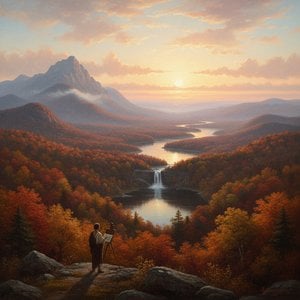
Cascade in the Forest


 Mehr anzeigen
Giclée / Kunstdruck
Giclée- oder Leinwanddruck in Museumsqualität mit schneller Produktion und flexiblen Veredelungsoptionen. ( Handgemalte Reproduktion kaufen Zum digitalen Bild wechseln)




P118B $10

P118H $10

P118W $10

P438Z $10

P508JH $12

P508YH $12

P805H $10

P805Z $10

P919BZ $10

P919G $10

P919XJ $10

P959ZH $10

P968JZ $12

W106C $8

W218G $10

W218JH $8

W218Y $10

W307PJ $10

W316G $10

W316PJ $8

W316Y $10

W398PJ $8

W4111J $10

W500HY $15

W500JH $15

W692G $12

W849H $8

W940BG $15

W953PJ $8




Wählen Sie aus unseren vordefinierten Formaten, die den ursprünglichen Proportionen des Kunstwerks entsprechen.

Sie können Ihre eigenen Maße eingeben, um ein bestimmtes Format oder einen speziellen Platz einzupassen. Wenn das von Ihnen gewählte Format nicht den Proportionen des Originalbildes entspricht, werden wir das Kunstwerk entweder beschneiden oder das Bild mit einem gespiegelten oder einfarbigen Rand erweitern. Ein digitaler Entwurf wird Ihnen zur Genehmigung zugesandt, bevor die Produktion beginnt.
Bitte beachten Sie, dass die Vorschau auf dem Bildschirm nicht den tatsächlichen Zuschnitt oder die Erweiterung widerspiegelt. Nur der Entwurf zeigt die endgültige Komposition präzise an.
Obwohl Sondermaße verfügbar sind, empfehlen wir die Auswahl eines Maßes aus der vordefinierten Liste, um die ursprünglichen Proportionen zu bewahren.
Weltweiter Versand () innerhalb von 2 Wochen statt der üblichen 4/5 Wochen. (27 September)

Kostenloser weltweiter Expressversand

Hochwertige Leinenleinwand

Vollständiger Versicherungsschutz beim Versand

Zollgebühren-Rückerstattungsgarantie

Garantie für exakte Farbtreue

100-tägiges Rückgaberecht (nur bei Mängeln)

100% Geld-zurück-Garantie

Angebot für Mengenrabatt
 Die Glasoption ist nur für Größen unter 110 cm verfügbar.

Cascade in the Forest
Giclée / Kunstdruck
Format der Reproduktion
-


Gesamtpreis
$ 62
A Symphony of Serenity: The Luminous World of Kensett
In the quietude of the mid-nineteenth century, a profound movement emerged in the American landscape, one that sought not just to document the wilderness, but to reveal its divine, underlying harmony. At the heart of this transcendental pursuit stood John Frederick Kensett, an artist whose brush possessed the rare ability to capture the very breath of nature. His 1852 masterpiece, Cascade in the Forest, serves as a breathtaking testament to this era. The painting invites the viewer into a secluded sanctuary where the rhythmic descent of water over ancient rocks creates a visual melody. It is a scene that transcends mere topography, offering instead a window into a world defined by stillness and light.
The composition is a masterclass in the Luminist style, a refined evolution of the Hudson River School. Kensett moves away from the dramatic, often turbulent vistas of his contemporaries to embrace a more subtle, atmospheric approach. In Cascade in the Forest, the technique is characterized by smooth, almost invisible brushwork that allows light to appear as if it is emanating from within the canvas itself. The water does not merely fall; it flows with a translucent grace, catching the soft, filtered light of the forest canopy. This meticulous attention to luminosity creates a sense of depth and clarity, making the lush greenery and the rugged textures of the stones feel tangibly present yet ethereally dreamlike.
Symbolism and the Soul of the Landscape
Beyond its technical brilliance, the artwork is rich with the symbolic language of the American Transcendentalist movement. The waterfall, a central motif, acts as a symbol of eternal renewal and the continuous flow of life. As the water cascades through the dense, verdant forest, it represents the untamed yet harmonious pulse of the natural world. A subtle, poignant detail—a single bird perched quietly upon a branch—introduces a moment of living consciousness into the landscape. This small inclusion serves to bridge the gap between the observer and the observed, reminding us that within this vast, tranquil ecosystem, every element is interconnected and vital.
For the discerning collector or interior designer, this piece offers more than just aesthetic beauty; it provides an emotional anchor. The painting’s ability to evoke a sense of profound peace makes it an ideal centerpiece for spaces designed for reflection and repose. Whether placed in a sun-drenched library or a sophisticated contemporary living room, Cascade in the Forest brings with it an aura of timelessness. It is a work that does not demand attention through noise, but rather commands it through a quiet, irresistible magnetism, making it a quintessential choice for those looking to infuse their surroundings with the restorative power of nature.
Ähnliche Kunstwerke


Biografie des Künstlers
Ein Leben in der Hingabe an friedliche Landschaften
John Frederick Kensett wurde am 22. März 1816 in Cheshire, Connecticut, geboren. Als Mitglied der zweiten Generation der Hudson River School Künstler sind Kensetts charakteristische Werke durch ihre friedlichen und leuchtenden Qualitäten gekennzeichnet, die die transzendenten Aspekte der Natur feiern.Frühes Leben und Ausbildung
Kensett besuchte die Cheshire Academy und studierte Gravur bei seinem Vater, Thomas Kensett. Er arbeitete später in New Haven als Graveur, bevor er 1838 nach New York City zog, um dort Banknotengravuren zu fertigen. Im Jahr 1840 reiste Kensett nach Europa, um seine Fähigkeiten im Malen zu verfeinern und lernte dabei Benjamin Champney kennen.Etablierter Stil und Luminismus
Nach der Eröffnung seines Ateliers in New York City bereiste Kensett ausgiebig die nordöstliche Region und die Colorado Rockies und hielt das Wesen dieser Landschaften fest. Sein Stil entwickelte sich von der traditionellen Hudson River School hin zu einem raffinierteren Luminismus, der durch unbefangene Pinselstriche gekennzeichnet ist, die die Qualitäten des atmosphärischen Lichts vermitteln.- Mount Washington from the Valley of Conway (1851), ein ikonisches Gemälde, wurde von der American Art Union erworben und an 13.000 Abonnenten verteilt.
- Eaton's Neck, Long Island (1872), ein Paradebeispiel für Kensetts Luminismus-Stil, befindet sich nun in der Sammlung des Metropolitan Museum of Art in New York.
Vermächtnis und Beiträge
Kensett war Mitbegründer des Metropolitan Museum of Art und Vollmitglied der National Academy of Design. Seine Arbeit, die zu Lebzeiten hoch angesehen war, beeinflusst weiterhin die Landschaftsmalerei. Wichtige Werke:- Sunset Sky (ca. 1870), The Metropolitan Museum of Art, New York
- Three Mile Harbor (ca. 1860), Museum of Fine Arts, Tallahassee

John Frederick Kensett
1816 - 1872 , Vereinigte Staaten von Amerika
Eckdaten zum Künstler
- Beeinflusste Künstler:
- Thomas Cole
- Benjamin Champney
- Bemerkenswerte Werke:
- Mount Washington from the Valley
- Eaton’s Neck, Long Island
- Sunset Sky
- Three Mile Harbor
- Geburtsdatum: 22. März 1816
- Geburtsort: Cheshire, USA
- Künstlerische Richtung: Hudson River School, Luminismus
- Nationalität: Amerikanisch
- Sterbedatum: 14. Dezember 1872
- Vollständiger Name: John Frederick Kensett
Verwandte Artikel

Die 10 Meisterwerke der Hudson River School: Kunst für Ihr Zuhause | ArtsDot
Entdecken Sie die 10 prägendsten Meisterwerke der Hudson River School! Erfahren Sie mehr über Thomas Cole, Frederic Church & Co. und ihre atemberaubenden Landschaftsbilder. Hochwertige Kunstdrucke für Ihr Zuhause – jetzt auf ArtsDot.com!

Robert Spencer: Luminism, Narrative & the American Landscape Tradition
Explore the captivating world of Luminism & the Hudson River School with our expert analysis. Discover the history, artists, and enduring beauty of 19th-century American landscape painting. Find museum-quality reproductions at ArtsDot.

John Constable: Die 25 Meisterwerke des englischen Landschaftsgenies – ArtsDot
Entdecken Sie die 25 Meisterwerke von John Constable! Erleben Sie englische Landschaftsmalerei vom Hay Wain bis zur Stour Valley. Hochwertige Reproduktionen & Kunst für Ihr Zuhause auf ArtsDot.com.
The Sublime Landscape: Exploring the Hudson River School Movement
Explore the captivating world of the Hudson River School! Discover the history, artists, and defining characteristics of this iconic American art movement. Learn about Romanticism's influence & find inspiration for your collection.

John Frederick Kensett: Luministische Ästhetik und nationale Identität in der amerikanischen Landschaftsmalerei
Entdecken Sie das Werk von John Frederick Kensett und die Ästhetik des Luminismus! Erfahren Sie mehr über seine Bedeutung für die amerikanische Landschaftsmalerei und die Suche nach nationaler Identität. Expertenanalyse & Hintergrundinformationen.


