


 Vorschau anzeigen
 Versenden
 Teilen
 Details anzeigen

 Herunterladen
 Ähnliche Objekte
 Röntgenaufnahme
 Diashow
 Statistiken
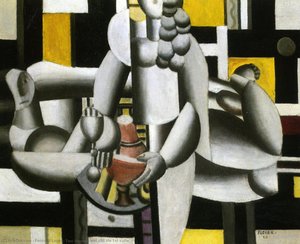
Still Life4


 Weiterlesen
Giclée / Kunstdruck
Giclée- oder Leinwanddruck in Museumsqualität mit schneller Produktion und flexiblen Veredelungsoptionen. ( Handgemalte Reproduktion bestellen Zum digitalen Bild wechseln)




P118B $10

P118H $10

P118W $10

P438Z $10

P508JH $12

P508YH $12

P805H $10

P805Z $10

P919BZ $10

P919G $10

P919XJ $10

P959ZH $10

P968JZ $12

W106C $8

W218G $10

W218JH $8

W218Y $10

W307PJ $10

W316G $10

W316PJ $8

W316Y $10

W398PJ $8

W4111J $10

W500HY $15

W500JH $15

W692G $12

W849H $8

W940BG $15

W953PJ $8




Wählen Sie aus unseren vordefinierten Formaten, die den ursprünglichen Proportionen des Kunstwerks entsprechen.

Sie können Ihre eigenen Maße eingeben, um ein bestimmtes Format oder einen speziellen Platz einzupassen. Wenn das von Ihnen gewählte Format nicht den Proportionen des Originalbildes entspricht, werden wir das Kunstwerk entweder beschneiden oder das Bild mit einem gespiegelten oder einfarbigen Rand erweitern. Ein digitaler Entwurf wird Ihnen zur Genehmigung zugesandt, bevor die Produktion beginnt.
Bitte beachten Sie, dass die Vorschau auf dem Bildschirm nicht den tatsächlichen Zuschnitt oder die Erweiterung widerspiegelt. Nur der Entwurf zeigt die endgültige Komposition präzise an.
Obwohl Sondermaße verfügbar sind, empfehlen wir die Auswahl eines Maßes aus der vordefinierten Liste, um die ursprünglichen Proportionen zu bewahren.
Weltweiter Versand () innerhalb von 2 Wochen statt der üblichen 4/5 Wochen. (10 September)

Kostenloser weltweiter Expressversand

Hochwertige Leinenleinwand

Umfassender Versicherungsschutz beim Versand

Zollgebühren-Rückerstattungsgarantie

Garantie für exakte Farbtreue

100-Tage-Rückgaberecht (nur bei Mängeln)

100% Geld-zurück-Garantie

Mengenrabatt verfügbar
 Die Glasoption ist nur für Größen unter 110 cm verfügbar.

Still Life4
Giclée / Kunstdruck
Format der Reproduktion
-


Gesamtpreis
$ 62
A Symphony of Form and Industry: Exploring Fernand Léger’s Still Life4
Fernand Léger's Still Life4 offers a captivating glimpse into the artist’s revolutionary approach to depicting the modern world – a world increasingly defined by industry, mechanics, and the burgeoning influence of urban life. This meticulously rendered composition transcends the traditional still-life genre, becoming instead a powerful statement about the integration of these new forms into artistic expression. Léger, born Joseph Fernand Henri Léger in 1881 in Argentan, Normandy, was profoundly shaped by his rural upbringing, an experience that would later inform his unique vision when he moved to Paris around 1900. Unlike many artists of his time who sought refuge in pure abstraction, Léger embraced a deliberately structured abstraction, one that actively engaged with the dynamism and geometric precision of the machine age.
- Subject Matter: The painting presents a carefully arranged still life – a wooden table as its central anchor, supporting a vase brimming with verdant plants, an assortment of cups and bowls, and a thoughtfully placed book. These objects are not merely decorative; they are imbued with symbolic weight, representing the domestic sphere, intellectual pursuits, and the burgeoning influence of technology within the home.
- Style & Technique: Léger’s signature style is immediately recognizable in Still Life4. He employs a bold, geometric vocabulary, breaking down forms into their essential shapes – cylinders, spheres, and planes – echoing the construction of machinery. The application of paint is deliberately rough and textured, creating a palpable sense of physicality and emphasizing the materiality of the objects themselves. This technique, often described as “tubism,” reflects Léger’s fascination with the visual language of industrial design.
The Rise of Tubism: A Reaction to Impressionism
Léger's artistic journey was inextricably linked to the broader intellectual and cultural currents of his time. Emerging in the early 20th century, he was part of a movement that challenged the conventions of traditional art – particularly those of Impressionism. The influence of Cubism is evident, but Léger pushed beyond mere fragmentation, seeking to *construct* new forms based on observed reality, specifically the shapes found in machines and urban landscapes. This approach, known as Tubism (named after his studio, “Les Tubes”), aimed to capture not just the appearance of objects but their underlying structure and movement. The deliberate use of repetition and geometric patterns reflects Léger’s belief that these were the fundamental elements of modern life.
- Historical Context: Still Life4 was created during a period of immense social and technological change. The rapid industrialization of Europe, coupled with advancements in transportation and communication, profoundly altered people's lives and perceptions of the world. Léger’s art can be seen as a response to this transformation, attempting to articulate the experience of modernity through a distinctly visual language.
- Color Palette: The painting features a restrained yet impactful color palette dominated by earthy tones – browns, greens, and ochres – punctuated by brighter accents that draw attention to key elements within the composition. This deliberate use of color enhances the sense of depth and volume, further emphasizing the geometric forms.
Symbolism and Emotional Resonance
Beyond its formal qualities, Still Life4 possesses a subtle emotional resonance. The carefully arranged objects evoke a feeling of quiet contemplation – a space for rest and reflection amidst the relentless pace of modern life. The open book suggests intellectual curiosity and the pursuit of knowledge, while the plants introduce an element of natural beauty and tranquility. Léger’s deliberate use of texture and form creates a sense of tactile engagement, inviting the viewer to connect with the objects on a visceral level. This piece is not simply a representation of still life; it's a meditation on the relationship between humanity and technology, domesticity and industry.
A Timeless Masterpiece – Perfect for Your Space
ArtsDot.com offers meticulously crafted hand-painted reproductions of Fernand Léger’s Still Life4, allowing you to bring this iconic artwork into your home or office. Each reproduction is created using the highest quality materials and techniques, ensuring exceptional detail and color accuracy. Whether you are an art collector, interior designer, or simply someone who appreciates beautiful art, a ArtsDot.com reproduction of Still Life4 will be a stunning addition to any space.
Ähnliche Kunstwerke




Über den Künstler
frühes Leben und Ausbildung
Fernand Légér, ein französischer Maler, Bildhauer und Filmemacher, wurde am 4. Februar 1881 in Argentan, Orne, Niedergermanien geboren. Sein Vater züchtete Rinder, und Légér erhielt zunächst eine Ausbildung als Architekt von 1897 bis 1899. Er zog dann im Jahr 1900 nach Paris und unterstützte sich dort als Architektenzeichner.Künstlerische Entwicklung
Légers frühe Werke wurden vom Impressionismus beeinflusst, wie in Le Jardin de ma Mère (Mein Muttergarten) (1905) zu sehen ist. Nach dem Besuch der Schule für dekorative Künste und der Académie Julian begann er ab seinem 25. Lebensjahr ernsthaft als Maler zu arbeiten. Sein Stil entwickelte sich zu einer persönlichen Form des Kubismus, der von Kritikern als "Tubism" bezeichnet wurde, da er sich auf zylindrische Formen konzentrierte.Kubismus und die Puteaux-Gruppe
Im Jahr 1910 stellte Légér im Salon d’Automne zusammen mit Jean Metzinger und Henri Le Fauconnier aus. Er schloss sich der Puteaux-Gruppe an, auch bekannt als die Section d’Or (die Goldene Proportion), zusammen mit anderen Künstlern wie Francis Picabia und Marcel Duchamp.Krieg und seine Auswirkungen auf Légers Werk
Légers Erfahrungen im Ersten Weltkrieg hatten einen erheblichen Einfluss auf sein Werk. Während seiner Zeit an der Front produzierte er Skizzen von Artilleriegeschützen, Flugzeugen und Soldaten. Sein Gemälde Soldat mit Pfeife (1916) spiegelt diese Zeit wider.Spätere Werke und Vermächtnis
Légers Nachkriegszeitliche Arbeiten, die von glatten, maschinellen Formen geprägt waren, verknüpften ihn mit der Tradition der französischen figurativen Malerei. Seine "animierten Landschaften" von 1921 zeigten Figuren und Tiere in harmonischen, stromlinienförmigen Formen.- Fernand Légers Werke auf ArtsDot
- Mehr über Fernand Légér auf Wikipedia
- Entdecken Sie das Musée National Fernand Légér (Frankreich) mit ArtsDot
- Die Sitzende Frau (100 x 81 cm, Tubism)
- Maschinenelement (Kubismus)

Fernand Léger
1881 - 1955 , Frankreich
Kurzinfos
- Beeinflusste Kunstrichtungen: ['Pop Art']
- Beeinflusste Künstler: ['Paul Cézanne']
- Bemerkenswerte Werke:
- Die Sitzende Frau
- Maschinenelement
- Der Große Umzug
- Die Stadt
- Geburtsdatum: 04. Februar 1881
- Geburtsort: Argentan, Frankreich
- Künstlerische Richtung: Kubismus, Tubismus
- Nationalität: Französisch
- Sterbedatum: 1955
- Vollständiger Name: Fernand Léger
- Von Kunstbewegungen Beeinflusst: ['Cézannismus']
- Von Künstlern Beeinflusst: ['Impressionismus']
Ähnliche Artikel

Giclée Prints: Archival Quality & Aesthetic Nuances for the Discerning Collector
Explore the world of giclée prints with ArtsDot. Learn about archival quality, aesthetic nuances & investment potential. Expert guidance for discerning art collectors seeking museum-quality reproductions and lasting value.

Fernand Léger: Die 25 Meisterwerke des Kubismus für Ihr Zuhause | ArtsDot
Entdecken Sie die 25 Meisterwerke von Fernand Léger! Tauchen Sie ein in die Welt des Kubismus, Tubismus & der Avantgarde. Hochwertige Kunstreproduktionen für Ihr Zuhause – jetzt auf ArtsDot.com!

Modern Shapes, Timeless Style: A Newlywed’s Guide to Transforming Your First Home with Geometric Art
Transform your first home with the striking elegance of geometric art. From bold multi-panel sets to bespoke hand-painted commissions, ArtsDot.com helps newlyweds curate a space filled with modern sophistication and timeless style. Discover your perfect piece today.

Echoes of Time: Exploring the Enduring Appeal & Historical Context of Vintage Art Prints
Explore the captivating world of vintage art prints! Discover their history, collecting tips & enduring appeal. Expert insights on chromolithography and building a legacy collection with ArtsDot.
Transforming Spaces: A Comprehensive Exploration of Wall Decor Through Art History & Contemporary Practice
Explore the art of transforming spaces with our comprehensive guide to wall decor. From historical movements to contemporary trends, discover how to curate impactful interiors and commission bespoke artwork for a truly personalized aesthetic.


