Portræt af William Larkin

Din guide til de 27 mest berømte William Larkin-malerier

Opdateret november 2026 · rangeret efter vores popularitetsscore (søgninger, besøg og ordrer for hvert værk) · 28 værker af William Larkin i vores katalog

Kort sagt

William Larkin's mest kendte værk er Lucy Harington, Countess of Bedford (1610). Du kan finde det på Nationalmuseum i Stockholm. Næste på listen er Portrait of Gray Brydges, fifth Baron Chandors, of Sudeley Castle, Gloucestershire (1579–1621) (1615) og William Pope, 1st Earl of Downe (1615). Vi har 28 værker af William Larkin i vores katalog; denne guide udvælger de 27 mest kendte, inklusiv årstal, museum og historien bag hvert værk.

1580 – 1619, London Jacobean Flest værker: English Heritage

De 10 vigtigste William Larkin malerier, du skal kende

1
Lucy Harington, Countess of Bedford (1610) af William Larkin

Lucy Harington, Countess of Bedford

1610 · Oil On Canvas · Nationalmuseum, Stockholm

A vertical, full-length portrait from 1610, this oil on canvas presents Lucy Harington, Countess of Bedford, in a formal Jacobean stance. She is positioned centrally, her body turned slightly to the right, framed by heavy purple drapery and the sweeping curves of silk curtains. The composition relies on a large, conical silhouette formed by her voluminous skirt, which anchors the figure against a receding plane of a carpeted floor. Lighting…

Håndmalet oliereproduktion fra $183 26 × 39 cm Samme størrelse som originalen $1022 129 × 211 cm Bestil i original størrelse →
Få den håndmalet Læs historien bag
2
Portrait of Gray Brydges, fifth Baron Chandors, of Sudeley Castle, Gloucestershire (1579–1621) (1615) af William Larkin

Portrait of Gray Brydges, fifth Baron Chandors, of Sudeley Castle, Gloucestershire (1579–1621)

1615 · Oil On Panel · Yale Center for British Art, New Haven

Gray Brydges, the fifth Baron Chandors, meets the viewer through a steady, calm gaze that seems to bridge the gap between the seventeenth century and the present moment. He sits within an oval frame, his presence defined by a high contrast that draws the eye immediately to the pale skin of his face and the intricate white lace of his collar. The lighting, appearing to descend from the upper left,…

Håndmalet oliereproduktion fra $183 27 × 37 cm Samme størrelse som originalen $235 44 × 59 cm Bestil i original størrelse →
Gør den til din egen Lær det at kende
3
William Pope, 1st Earl of Downe (1615) af William Larkin

William Pope, 1st Earl of Downe

1615 · Oil On Panel · Yale Center for British Art, New Haven

William Larkin painted William Pope, 1st Earl of Downe about 1615. The subject was a British peer and the son of John Pope and Elizabeth Brocket. This portrait captures the sitter during the Jacobean era, a period marked by the specific courtly fashions and social hierarchies of the early seventeenth century.

Håndmalet oliereproduktion fra $183 27 × 37 cm Samme størrelse som originalen $235 45 × 58 cm Bestil i original størrelse →
Få den håndmalet Læs historien bag

Nummer 11 til 27: flere William Larkin malerier

11Portrait of Lady Katherine Smythe Scott (circa 1564–1616) (1625) af William LarkinPortrait of Lady Katherine Smythe Scott (circa 1564–1616)1625 · North Carolina Museum of Art Gør den til din egen fra $183 →
12Mary Radclyffe (1613) af William LarkinMary Radclyffe1613 Gør den til din egen fra $183 →
13George Villiers, 1st Duke of Buckingham (1616) af William LarkinGeorge Villiers, 1st Duke of Buckingham1616 Gør den til din egen fra $183 →
14Lady Diana Cecil (1618) af William LarkinLady Diana Cecil1618 · English Heritage Gør den til din egen fra $183 →
15Lady Anne Cecil (1618) af William LarkinLady Anne Cecil1618 · English Heritage Gør den til din egen fra $183 →
16Lady Anne Sackville (1615) af William LarkinLady Anne Sackville1615 · Petworth House Få den håndmalet fra $183 →
17Francis Bacon (1561–1626), 1st Baron Verulam and Viscount St Albans, Lawyer, Philosopher, Poet and Lord Chancellor (1617) af William LarkinFrancis Bacon (1561–1626), 1st Baron Verulam and Viscount St Albans, Lawyer, Philosopher, Poet and Lord Chancellor1617 Bestil dette værk fra $183 →
18Edward Herbert (1582–1648), 1st Baron Herbert of Cherbury (1610) af William LarkinEdward Herbert (1582–1648), 1st Baron Herbert of Cherbury1610 · National Trust Bestil dette værk fra $183 →
19Katherine Howard, née Knyvett (1618) af William LarkinKatherine Howard, née Knyvett1618 · English Heritage Bestil dette værk fra $183 →
20Sir Thomas Lucy III (1585–1640), MP (1610) af William LarkinSir Thomas Lucy III (1585–1640), MP1610 · National Trust Få den håndmalet fra $183 →
21Edward Sackville (1591–1652), 4th Earl of Dorset (1613) af William LarkinEdward Sackville (1591–1652), 4th Earl of Dorset1613 · English Heritage Få den håndmalet fra $183 →
22Elizabeth Cecil, née Drury, Lady Burghley (1618) af William LarkinElizabeth Cecil, née Drury, Lady Burghley1618 · English Heritage Gør den til din egen fra $183 →
23Probably Elizabeth Cary, née Tanfield (1618) af William LarkinProbably Elizabeth Cary, née Tanfield1618 · English Heritage Bestil dette værk fra $183 →
24Elizabeth Howard, née Bassett (1618) af William LarkinElizabeth Howard, née Bassett1618 · English Heritage Bestil dette værk fra $183 →
25Mary Curzon, Countess of Dorset af William LarkinMary Curzon, Countess of DorsetKnole House Få den håndmalet fra $183 →
26Portrait of Grey Brydges, 5th Baron Chandos (1578 9 1621) af William LarkinPortrait of Grey Brydges, 5th Baron Chandos (1578 9 1621) Få den håndmalet fra $183 →
27Lady Russell (1560–1616), Countess of Cumberland af William LarkinLady Russell (1560–1616), Countess of CumberlandAbbot Hall Art Gallery Bestil dette værk fra $183 →

Hvad William Larkin har malet mest af

De fire motiver, der optræder hyppigst i disse værker, hver med sit mest kendte eksempel.

Hvor du kan se William Larkin's malerier

De 8 museer, der rummer flest af malerierne på denne side.

Museum By Værker af William Larkin Malerier fra denne liste
English Heritage, LondonEnglish Heritage London 8 Lady Isabel Rich, née Cope, Lady Diana Cecil, Lady Anne Cecil
Yale Center for British Art, New HavenYale Center for British Art New Haven 3 Portrait of Gray Brydges, fifth Baron Chandors, of Sudeley Castle, Gloucestershire (1579–1621), William Pope, 1st Earl of Downe, Jane Thornaugh (née Jackson), Lady Thornaugh
Knole House, SevenoaksKnole House Sevenoaks 3 Richard Sackville, 3rd Earl of Dorset (1589-1624), Lady Margaret Sackville, later Countess of Thanet (1614-1676), aged 4, Mary Curzon, Countess of Dorset
National Trust, WarwickNational Trust Warwick 2 Edward Herbert (1582–1648), 1st Baron Herbert of Cherbury, Sir Thomas Lucy III (1585–1640), MP
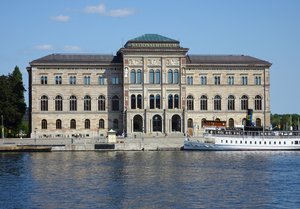
Nationalmuseum, StockholmNationalmuseum Stockholm 1 Lucy Harington, Countess of Bedford
Kenwood House, LondonKenwood House London 1 Portrait of Edward Sackville
National Portrait Gallery, LondonNational Portrait Gallery London 1 Anne, Countess of Pembroke (Lady Anne Clifford)
North Carolina Museum of Art, RaleighNorth Carolina Museum of Art Raleigh 1 Portrait of Lady Katherine Smythe Scott (circa 1564–1616)

År for år: de mest kendte værker af William Larkin

Her er et årti med William Larkin, mere eller mindre: 9 år fra 1610 til 1618, vist år for år gennem de mest kendte værker.

Værker efter år

Vælg et årstal for at se værkerne fra det år.

William Larkin: hurtige svar om malerierne

Hvad er William Larkins mest kendte maleri?Se svaret

Øverst på listen er Lucy Harington, Countess of Bedford (1610), Nationalmuseum, Stockholm. Lige efter kommer: Portrait of Gray Brydges, fifth Baron Chandors, of Sudeley Castle, Gloucestershire (1579–1621) (1615) og William Pope, 1st Earl of Downe (1615).

Hvor gammel var William Larkin, da Lucy Harington, Countess of Bedford blev skabt?Se svaret

30 år gammel. William Larkin blev født i 1580, og Lucy Harington, Countess of Bedford er fra 1610.

Hvad er William Larkins top 10 malerier?Se svaret

Lucy Harington, Countess of Bedford, Portrait of Gray Brydges, fifth Baron Chandors, of Sudeley Castle, Gloucestershire (1579–1621), William Pope, 1st Earl of Downe, Lady Isabel Rich, née Cope, Portrait of Edward Sackville, Richard Sackville, 3rd Earl of Dorset (1589-1624), Lady Margaret Sackville, later Countess of Thanet (1614-1676), aged 4, Jane Thornaugh (née Jackson), Lady Thornaugh, Anne, Countess of Pembroke (Lady Anne Clifford) og A Gentleman. Du finder årstallet og museet for hver af dem i listen ovenfor.

Hvor mange værker af William Larkin er i din katalog?Se svaret

Vi har 28 værker af William Larkin i vores katalog, dateret fra 1610 til 1618.

I hvilke museer kan man se William Larkins berømte værker?Se svaret

Du finder de fleste af dem i English Heritage (London), Yale Center for British Art (New Haven) og Knole House (Sevenoaks). Listen over museer ovenfor giver en fuldstændig oversigt.

Hvornår skabte William Larkin sine mest berømte værker?Se svaret

I 1618, mere end på andre tidspunkter: 9 af de 27 værker på denne side stammer fra dengang, herunder Lady Isabel Rich, née Cope.

Hvad er William Larkins første og sidste berømte værker?Se svaret

Det tidligste værk her er Lucy Harington, Countess of Bedford (1610); det nyeste er Lady Isabel Rich, née Cope (1618).

Hvilke motiver malede William Larkin oftest?Se svaret

Man (2) og Lace collar (2) ud af i alt 27 værker på denne side.

Hvilket medie optræder hyppigst i William Larkin's malerier?Se svaret

Oil On Panel, anvendt i 2 af de 27 værker på denne side.

Hvilken stil eller retning er William Larkin kendt for?Se svaret

Jacobean, som du kan se i værkerne på denne side.

Hvilke berømte malerier af William Larkin findes på English Heritage?Se svaret

Du kan se 8 af værkerne på denne side på English Heritage, London, herunder Lady Isabel Rich, née Cope, Lady Diana Cecil og Lady Anne Cecil.

Hvor kan jeg bestille en William Larkin reproduktion?Se svaret

Ja. Hvert maleri på denne side er tilgængeligt som en håndmalet oliereproduktion eller som et print i den størrelse, der passer dig. Åbn blot maleriets side for at bestille.

William Larkins historie

William Larkin: The Weaver of Courtly Splendor

William Larkin, a name largely obscured for centuries, emerges from the shadows of 17th-century England as a remarkably gifted and influential portrait painter. Born around 1580 in London – though precise details of his early life remain elusive – Larkin’s career coincided with a pivotal moment in English art: the waning years of a tradition defined by intricate detail, opulent fabrics, and a profound understanding of courtly fashion. He wasn't a royal painter, nor did he command the fame of contemporaries like Hilliard or Van Dyck, yet his work possesses a unique allure, offering intimate glimpses into the lives and tastes of England’s elite during the reign of James I. Larkin’s legacy lies not in grand historical narratives but in the exquisite rendering of textures, colors, and the subtle gestures that defined the era's aristocratic sensibility.

A Life Shrouded in Mystery

The biographical record for William Larkin is frustratingly sparse. He appears to have been born into a modest family – his father was an innkeeper – and entered the world of painting through apprenticeship, likely under Robert Peake, a prominent court painter known for his lavish depictions of royal attire. Larkin’s early career seems to have been marked by relative obscurity; he became a freeman of the Worshipful Company of Painter-Stainers in 1606, a significant achievement indicating recognition within the artistic community. Marriage records suggest he wed before 1612, and he fathered several children – a son born stillborn in 1612, William in 1613, and Mary in 1614/15 – all buried at St Anne Blackfriars. His death occurred sometime between April 1619 (the date of his will) and May 1619, with the parish records tragically destroyed by the Great Fire of London, making a precise date impossible to determine. Despite this lack of concrete biographical information, Larkin’s work speaks volumes about his skill and artistic vision.

The Signature Style: Carpets, Curtains, and Courtly Excess

Larkin's distinctive style is immediately recognizable through its meticulous attention to detail and the incorporation of luxurious elements that were hallmarks of Jacobean court fashion. His portraits are not simply representations of individuals; they are elaborate stage sets, meticulously constructed to showcase the wealth and status of his sitters. He became renowned for depicting oriental carpets – a relatively new import into England at the time – with an unprecedented level of realism, capturing their intricate patterns and vibrant colors. Equally prominent were his depictions of draped curtains, often in rich fabrics like velvet and silk, adorned with tassels and fringes that cascaded across the canvas. These elements weren’t merely decorative; they served as visual shorthand for the sitter's position within the social hierarchy, emphasizing their access to luxury and privilege. The portraits frequently feature mirrored poses, a technique borrowed from court miniatures, suggesting an intimacy between the subjects – often male friends or family members – and reinforcing the importance of personal relationships within the aristocratic world.

Rediscovery and the Suffolk Collection

For centuries, Larkin’s work remained largely forgotten, attributed to other artists due to a lack of documentation and stylistic similarities. It wasn't until 1952 that art historian James Lees-Milne brought Larkin back into focus, identifying him as the painter behind two portraits at Charlecote Park, Warwickshire – those of Lord Herbert of Cherbury and Sir Thomas Lucy III. Lees-Milne’s identification was based on references within Lord Herbert's autobiography, where he recalled a portrait commissioned by Richard Sackville, 3rd Earl of Dorset, and the striking resemblance between Larkin’s paintings and the described likeness. Subsequent research confirmed this attribution, leading to the recognition of a larger body of work – including the celebrated “Suffolk Collection” at Kenwood House in London. These portraits, characterized by their opulent fabrics, intricate details, and mirrored compositions, cemented Larkin's reputation as a master of courtly portraiture.

A Legacy of Detail and a Lost Era

William Larkin’s contribution to English art lies not in grand historical narratives but in his ability to capture the essence of a specific moment in time – the lavish and intricate world of the Jacobean court. His meticulous attention to detail, particularly his rendering of textiles and luxurious furnishings, offers a rare glimpse into the tastes and values of England’s elite. While some scholars have suggested that Larkin employed assistants to execute certain elements of his paintings (particularly the repetitive patterns of carpets and curtains), his overall artistic vision – his understanding of light, color, and composition – remains undeniably his own. Larkin's work represents a fascinating intersection between art and social history, providing valuable insights into the material culture and social dynamics of 17th-century England. His relatively short career—spanning just a few years—marked the end of an era in English portraiture, a tradition characterized by its focus on idealized beauty and restrained elegance, superseded by the more dynamic and expressive styles that would emerge in subsequent decades.