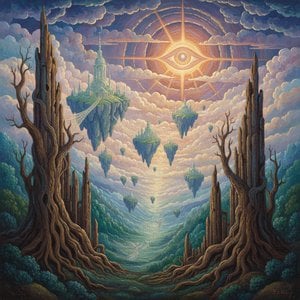
Vlassis Caniaris: A Pioneer of Contemporary Greek Art
Vlassis Caniaris (1928–2011) stands as a towering figure in the landscape of Greek modernism, an artist whose prolific output and unwavering commitment to exploring complex themes cemented his place among the most influential voices of his generation. Born in Athens, Greece, Caniaris embarked on a lifelong artistic journey marked by experimentation, intellectual rigor, and a profound engagement with both personal experience and societal concerns—a trajectory that continues to resonate within the broader context of international art history.
Early Influences & Artistic Formation:
Caniaris’s formative years were steeped in European avant-garde movements, particularly Surrealism and Expressionism. Exposure to artists like Picasso and Ernst profoundly shaped his visual vocabulary and instilled a conviction that art could serve as a vehicle for confronting uncomfortable truths and challenging conventional perspectives.
The Emergence of Distinctive Style: From Abstract Expressionism to Installation Art
Initially drawn to the expressive power of Abstract Expressionism—influenced by figures like Pollock and Rothko—Caniaris swiftly transcended stylistic boundaries. He honed his technique, mastering oil paint and incorporating sculptural elements into his work. However, Caniaris’s artistic vision extended far beyond traditional painting; he embraced installation art as a medium for conveying narratives that interrogated cultural identity and social commentary. His monumental sculptures and immersive environments tackled subjects ranging from migration and displacement to the complexities of human relationships and the impact of urban life on individuals.
Notable Installations:
Among his most celebrated projects were “The Walls” (1978), a sprawling sculptural ensemble reflecting on the divisions within Greek society, and “The Memory Room” (1986), which explored themes of nostalgia and collective trauma. These installations garnered international acclaim and solidified Caniaris’s reputation as an innovator in artistic practice.
Themes & Symbolism: Exploring Identity and Social Critique
Caniaris consistently wrestled with questions of identity—both personal and collective—and subjected them to rigorous scrutiny. Recurring motifs in his oeuvre included fragmented figures, geometric abstractions, and references to mythology—elements that he skillfully deployed to convey nuanced interpretations of human experience. His art wasn’t merely aesthetically pleasing; it functioned as a form of social critique, prompting viewers to confront prejudices and reconsider established assumptions.
Recurring Motifs:
The artist frequently utilized fractured forms and geometric patterns to represent the disintegration of traditional values and the anxieties inherent in navigating an increasingly globalized world. Simultaneously, he drew inspiration from Greek mythology—particularly tales of exile and transformation—to illuminate universal human struggles.
Legacy & Recognition
Vlassis Caniaris’s contribution to contemporary art is undeniable. His pioneering approach to installation art established him as a visionary artist who anticipated the trends shaping artistic discourse in subsequent decades. He received numerous awards and honors throughout his career, including the Theodoros Stavros Prize for Sculpture (1986) and the Prix Goncourt (2003), recognizing his profound impact on European culture. His work continues to inspire artists and scholars alike, ensuring that Vlassis Caniaris’s legacy endures as a testament to the transformative power of artistic expression.
Explore the captivating world of Mikalojus Konstantinas Čiurlionis, a pioneer of abstract art. Discover his unique blend of music and painting, spiritual themes, and lasting influence on Lithuanian culture. Learn more at ArtsDot.
Unveil the visceral power of Abstract Expressionism. Our expert exploration delves into the transformative legacies of Pollock, Rothko, and De Kooning, offering discerning collectors a profound understanding of the New York School’s enduring mastery and historical impact.
Explore the revolutionary realism of Caravaggio! Discover his mastery of light & shadow (tenebrism), dramatic religious scenes, and lasting influence on Baroque art history. A comprehensive guide for art enthusiasts.
Hvor mange kunstværker af Vlassis Caniaris er tilgængelige at gennemse?
Du kan gennemse 1 kunstværker værker af Vlassis Caniaris på siden Alle kunstværker.
Kan jeg sortere Vlassis Caniariss værker efter farve?
Farveindeks for Vlassis Caniaris er en side, der organiserer kunstnerens værker efter farve.
Hvor kan man finde Vlassis Caniariss kunstværker grupperet efter farvepalette?
For at finde værker af Vlassis Caniaris i en specifik farvepalette kan du bruge kunstnerens Efter farvepalet side.
Hvor populære er Vlassis Caniariss kunstværker?
Se statistik over Vlassis Caniariss værker på kunstnerens Statistik side.
Kan jeg studere Vlassis Caniariss farvebrug på tværs af alle værker?
Farvepalettens DNA for Vlassis Caniaris er en side, der præsenterer farveprofilen i kunstnerens samlede værk.
Kan jeg udforske Vlassis Caniariss værker efter emne?
Vlassis Caniariss værker kan udforskes efter emne på kunstnerens Emneoversigt-side.
Findes der en virtuel 3D-tour af Vlassis Caniariss værker?
Besøg galleriet virtuelt: 3D-galleri-siden for Vlassis Caniaris præsenterer kunstnerens værker i et tredimensionelt galleri.
Er Vlassis Caniaris's værker stadig beskyttet af ophavsret?
Ja, værker af denne kunstner er stadig beskyttet af ophavsret.
Hvem er Vlassis Caniaris?
Vlassis Caniaris: A Pioneer of Contemporary Greek Art
Vlassis Caniaris (1928–2011) stands as a towering figure in the landscape of Greek modernism, an artist whose prolific output and unwavering commitment to exploring complex themes cemented his place among the most influential voices of his generation. Born in Athens, Greece, Caniaris embarked on a lifelong artistic journey marked by experimentation, intellectual rigor, and a profound engagement with both personal experience and societal conc