

 Se i rummet
 Del som kort
 Del
Del
 Detaljer
 Guide
Guide

 Download
 Lignende værker
 Røntgenundersøgelse
 Diasshow
 Spørgsmål og svar
 Statistikker
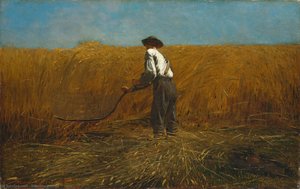
Militia Drilling

- 16.0 x 24.0 cm


 Vis mere
Giclée / Kunsttryk
Giclée- eller lærredstryk i museumskvalitet med hurtig produktion og fleksible muligheder for finish. ( Køb håndmalet maleri Skift til digitalt billede)




P118B Dkr10

P118H Dkr10

P118W Dkr10

P438Z Dkr10

P508JH Dkr12

P508YH Dkr12

P805H Dkr10

P805Z Dkr10

P919BZ Dkr10

P919G Dkr10

P919XJ Dkr10

P959ZH Dkr10

P968JZ Dkr12

W106C Dkr8

W218G Dkr10

W218JH Dkr8

W218Y Dkr10

W307PJ Dkr10

W316G Dkr10

W316PJ Dkr8

W316Y Dkr10

W398PJ Dkr8

W4111J Dkr10

W500HY Dkr15

W500JH Dkr15

W692G Dkr12

W849H Dkr8

W940BG Dkr15

W953PJ Dkr8




Vælg mellem vores forudindstillede størrelser, der matcher kunstværkets originale proportioner.

Indtast den bredde og højde, du har brug for, så det passer til din ramme eller din væg. Et print kan kun beskæres, aldrig gøres større end selve billedet, så en størrelse med et andet format vil medføre, at dele af motivet går tabt. Vi sender dig en digital mockup til godkendelse, før vi printer noget. Billedet vist på denne side viser ikke den faktiske beskæring — det er kun mockuppen, der gør.
Verdensomspændende levering () på 2 uger i stedet for de sædvanlige 4/5 uger. (7 november)

Gratis ekspresforsendelse til hele verden

Lærred af linned i høj kvalitet

Fuld transportforsikring

Garanti for refusion af told og importafgifter

Garanti for præcis farvegengivelse

100 dages returret ved fabrikationsfejl

100% fuld returret

Mængderabat ved flere køb
 Glasmulighed er kun tilgængelig i størrelser under 110 cm

Militia Drilling
Giclée / Kunsttryk
Størrelse på reproduktion
-


Samlet pris
Dkr 420
Spørgsmål og svar
Er farverne i "Militia Drilling" af William P Chappel mættede eller dæmpede?
Farverne i "Militia Drilling" af William P Chappel har en Muted mætning. Mætning beskriver, hvor livlige eller dæmpede farverne er.
Hvem har skabt "Militia Drilling", og hvilken stilart er det?
"Militia Drilling" blev skabt af William P Chappel i Realism-stil. Kunstneren og stilen identificerer værkets tradition.
Hvilken fase af William P Chappels kunstneriske udvikling repræsenterer "Militia Drilling"?
"Militia Drilling" tilhører Late Medieval i William P Chappels karriere. Denne klassificering knytter værket til kunstnerens udvikling.
Lignende kunstværker


Kunstnerbiografi
The Visionary Lens of Walter Chappell
The artistic legacy of Walter Chappell (1925–2000) resides not merely in his photographs but in a profound, almost spiritual connection to the natural world. His work represents a lineage traceable back to the pioneering visionaries of American photography, most notably Alfred Stieglitz and Edward Weston. Emerging from the creative crucible of postwar New York City, Chappell developed an unwavering dedication to capturing the very essence of landscapes. He achieved this through a distinctive and sophisticated blend of black and white printing techniques and experimental electron imagery—a stylistic duality that cemented his place as a significant figure within the mid-century avant-garde movement.
Chappell’s formative years were steeped in an intense intellectual curiosity, nurtured by his early studies at the Eastman Kodak Company. This technical foundation was later honed through vital collaborations with influential masters of the medium. From Stieglitz, Chappell inherited the conviction that photography could transcend mere documentation to become a vessel for emotion and philosophical contemplation. From Weston, he drew a meticulous attention to detail and a masterful command of tonal range. These influences are palpable throughout his entire oeuvre, where his compositions prioritize a striking geometric precision alongside subtle, breathing textural nuances.
A Study in Light, Shadow, and Stillness
The heart of Chappell’s photographic practice was an intimate exploration of the interplay between light and shadow within expansive, often desolate vistas. He famously eschewed grand, sweeping narratives or overtly expressive gestures, choosing instead to embrace a quiet, disciplined observation of geological formations. His lens focused on the silent majesty of mountains, the rugged depths of canyons, and the stark emptiness of deserts, examining how these ancient structures impact human perception. There is an almost meditative stillness achieved in his work, a quality born from deliberate cropping and the careful, rhythmic manipulation of his printing processes.
While many of his contemporaries were drawn to the burgeoning vibrancy of color, Chappell remained steadfastly committed to the monochrome print. He believed that the absence of color allowed for a deeper engagement with form and texture, stripping away the distractions of the spectrum to reveal the skeletal beauty of the earth. His images are characterized by:
- Geometric Precision: A structural approach to landscape that finds order in natural chaos.
- Tonal Depth: An extraordinary range of grays that lends a tactile, three-dimensional quality to flat surfaces.
- Atmospheric Texture: The use of experimental techniques to evoke the grain and grit of the physical world.
Historical Significance and Lasting Impact
Chappell’s contribution to the history of 20th-century photography lies in his ability to bridge the gap between the traditionalist landscape school and the experimental avant-garde. By integrating technical experimentation with a deep, classical respect for composition, he helped evolve the photographic language of the American West. His work does not simply show us a place; it invites us into a state of being, demanding that the viewer slow down and witness the quiet evolution of the terrain.
Today, his presence in prestigious institutions such as MoMA and the Princeton University Art Museum serves as a testament to his enduring relevance. Through the preservation of his archives—including significant gelatin silver prints—the art world continues to find inspiration in his ability to distill the vastness of the American landscape into a singular, hauntingly beautiful moment of clarity. His life's work remains a profound reminder that through the lens, the most silent landscapes can speak with an incredible, enduring voice.

William P Chappel
1800 - 1880
Kort om kunstneren
- Full Name: Walter Chappell
- Nationality: American
- Date Of Birth: 1800
- Date Of Death: 1880
- Place Of Birth: New York City, USA
- Notable Artworks: ['Paris Opera Opening']
- Artistic Movement Or Style: Landscape Photography
- Artists Who Influenced This Artist:
- Edward Weston
- Alfred Stieglitz
- Artists Or Movements Influenced By This Artist: ['Modernism']
Relaterede artikler

American Realism: Social Commentary & Artistic Representation in Early 20th-Century Painting
Explore the powerful social commentary & artistic representation of American Realism. Discover key artists like Bellows & Sloan, and understand the movement's lasting impact on 20th-century art history.

Echoes of Place: Regionalism & American Identity in Interwar Art
Explore the rise of American Regionalism in interwar art! Discover Grant Wood, Thomas Hart Benton & the movement's impact on American identity. Expert analysis & historical context.

American Regionalism: A Crucible of Identity – Exploring Themes of Place, Labor & Social Commentary
Explore American Regionalism's powerful depiction of the American heartland during the Great Depression. Discover Grant Wood, Thomas Hart Benton & more. Expert analysis & high-quality art reproductions at ArtsDot.

Amerikansk Realisme: 10 Mesterværker der Definerede En Kunstbevægelse – Find Din Inspiration Hos ArtsDot
Oplev de 10 mest ikoniske værker inden for amerikansk realisme! Fra Edward Hopper til Andrew Wyeth – lær historierne bag mesterværkerne og find inspiration til dit hjem. Køb museumskvalitets reproduktioner på ArtsDot.com.

Grant Wood & American Regionalism: Identity, Myth & the Rural Landscape
Explore the world of Grant Wood & American Regionalism with ArtsDot. Discover the symbolism behind 'American Gothic', recurring themes, and the movement's lasting impact on art history. High-quality reproductions available.