


 Se i fuld skala
 Del
Del Del
Del
 Detaljer

 Download
 Lignende værker
 Røntgenundersøgelse
 Diasshow
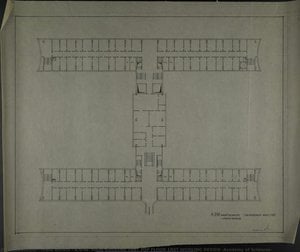
Plan of the Tower Mint


 Se mere
Giclée / Kunsttryk
Giclée- eller lærredstryk i museumskvalitet med hurtig produktion og fleksible muligheder for finish. ( Køb håndlavet maleri Køb billede)




































Vælg mellem vores forudindstillede størrelser, der matcher kunstværkets originale proportioner.

Du kan indtaste dine egne mål for at passe til en specifik ramme eller et bestemt område. Hvis den valgte størrelse ikke stemmer overens med det originale billedes proportioner, vil vi enten beskære kunstværket eller udvide billedet med en spejlet eller ensfarvet kant. En digital mockup vil blive sendt til din godkendelse, før produktionen påbegyndes.
Bemærk venligst, at forhåndsvisningen på skærmen ikke afspejler den faktiske beskæring eller udvidelse. Kun mockuppen vil nøjagtigt vise den endelige komposition.
Selvom specialmål er tilgængelige, anbefaler vi at vælge et mål fra den foruddefinerede liste for at bevare de originale proportioner.
Verdensomspændende levering () på 2 uger i stedet for de sædvanlige 4/5 uger. (21 august)

Gratis ekspresforsendelse til hele verden

Lærred af linned i høj kvalitet

Fuld transportforsikring

Garanti for refusion af told og importafgifter

Garanti for præcis farvegengivelse

60 dages returret (kun ved fabrikationsfejl)

100% Tilfredshedsgaranti

Mængderabat tilgængelig
 Glasmulighed er kun tilgængelig i størrelser under 110 cm

Plan of the Tower Mint
Giclée / Kunsttryk
Størrelse på reproduktion
-


Samlet pris
$ 63
Lignende kunstværker




Kunstnerens biografi
The Lyric Soul of the Irish Landscape
William Allingham (1824–1889) remains a captivating figure in the tapestry of nineteenth-century literature, a man whose pen captured the ethereal boundary between the mundane and the mythic. Born in the small town of Ballyshannon, in the rugged beauty of County Donegal, Allingham’s early years were steeped in the atmospheric landscapes of Ireland. This formative connection to the natural world—the windswept coasts and verdant valleys—would later become the heartbeat of his poetic output. Though he spent much of his professional life navigating the structured world of the customs service, his spirit remained anchored in the folklore and legends of his homeland, creating a body of work that feels both deeply personal and universally enchanting.
His literary journey was not merely a solitary pursuit but part of a vibrant, interconnected creative life. Allingham’s marriage to the celebrated watercolorist Helen Allingham formed one of the most harmonious artistic partnerships of the Victorian era. Together, they shared a devotion to capturing the charm of rural life and the delicate nuances of nature. This domestic and professional synergy allowed his words to find visual resonance, as his poetry often mirrored the soft, luminous qualities found in his wife's illustrations. His life was a bridge between the rugged traditions of Ulster and the sophisticated intellectual circles of London, where he eventually served as sub-editor of Fraser's Magazine.
Mythic Resonance and the Victorian Imagination
The zenith of Allingham’s poetic achievement is undoubtedly found in his 1865 collection, “The Faeries.” In this masterful work, he moved beyond simple pastoral verse to explore a psychological landscape populated by Celtic spirits and supernatural beings. These poems do not merely describe the fantastical; they use the lens of mythology to examine the complexities of human emotion, longing, and wonder. Through his lyrical mastery, Allingham breathed life into the shadows of the Irish countryside, making the unseen world feel palpably present. This ability to blend observation with profound imagination earned him a place in the hearts of readers and ensured his work was widely anthologized during his lifetime.
Beyond the realm of myth, Allingham’s contributions to the literary landscape were marked by a remarkable versatility. He was a scholar and an editor who shaped the very canon he inhabited, contributing to The Ballad Book for the Golden Treasury series. His work often intersected with the giants of his age; his diaries provide an invaluable, intimate window into the lives of luminaries such as Alfred, Lord Tennyson and Thomas Carlyle. Through these personal records, we see Allingham not just as a poet of the landscape, but as a vital witness to the intellectual pulse of the Victorian era, capturing the lively encounters and shared creative energies that defined an epoch.
Legacy of a Literary Voyager
The historical significance of William Allingham lies in his unique ability to synthesize the local with the universal. While his roots were firmly planted in the soil of Ireland, his themes of nostalgia, nature, and the supernatural resonated far beyond the borders of his native country. His work serves as a vital link in the evolution of late nineteenth-century poetry, bridging the gap between traditional romanticism and the more introspective, psychologically complex movements that followed.
To reflect on Allingham’s life is to encounter a legacy defined by:
- The preservation of folklore: His ability to translate ancient Celtic myths into modern lyrical verse.
- Literary intimacy: The profound historical value of his diaries in documenting the Victorian intellectual milieu.
- Artistic partnership: A life lived in creative communion with Helen Allingham, blending literature and visual art.
- Lyrical innovation: The creation of "The Faeries," a work that remains a cornerstone of mythic poetry.
Ultimately, Allingham’s voice endures because it captures the eternal human yearning for connection—to the land, to the past, and to the magic that resides just beneath the surface of the everyday.

William Allingham
1824 - 1889 , Republic of Ireland
Kort om kunstneren
- Artistic Movement Or Style: Lyric Verse
- Artists Or Movements Influenced By This Artist: ['Romanticism']
- Artists Who Influenced This Artist:
- Tennyson
- Carlyle
- Date Of Birth: 1824
- Full Name: William Allingham
- Nationality: Irish
- Notable Artworks: ['The Faeries']
- Place Of Birth: Republic of Ireland
Relaterede artikler

1700-tallets Mestre: Top 10 Kunstværker & Historisk Skønhed til Dit Hjem
Oplev 1700-tallets storhedstid! Udforsk top 10 kunstværker fra rokokokunstens elegance til portrætmaleriets finesse. Fragonard, Gainsborough & mere – find inspiration og køb museumskvalitets reproduktioner på ArtsDot.com.

Mapping Beauty: Transform Your Space with Stunning Topographical Artworks
Elevate your interiors with breathtaking topographical art. From vintage cartography to textured 3D reliefs, discover how hand-painted maps and historical landscapes can transform any room into a sophisticated sanctuary of discovery and timeless beauty.

Penry Williams: Evoking Welsh Nostalgia Through Impressionistic Landscapes
Explore the captivating world of Penry Williams (1802-1885), a Welsh artist renowned for his evocative Impressionistic landscapes and scenes of Italy. Discover his life, style & legacy with ArtsDot.

William Hogarth: Satire, Social Commentary & the Birth of Modern British Art
Explore the satirical world of William Hogarth, pioneering British painter & engraver. Discover his iconic works like *A Rake's Progress* and insightful social commentary on 18th-century London life.

Christopher Williams: Deconstructing Representation & Materiality in Contemporary Art
Explore the groundbreaking work of Christopher Williams, a pivotal figure in contemporary art. This analysis delves into his deconstruction of representation, materiality, and institutional critique – essential reading for serious collectors.

