

 Se i rummet
 Del som kort
 Del
Del
 Detaljer
 Guide
Guide

 Download
 Lignende værker
 Røntgenundersøgelse
 Diasshow
 Q&A
Q&A Statistikker
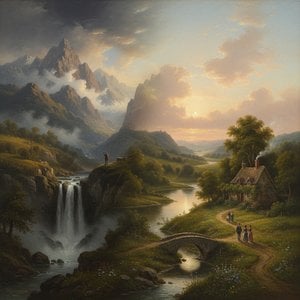
Lost Lamb

- 90.0 x 110.0 cm


 Vis mere
Kunstværket vist på denne side er beskyttet af ophavsretsloven, hvilket betyder, at vi ikke lovligt kan skabe eller sælge en identisk reproduktion. Denne beskyttelse håndhæves i henhold til internationale aftaler som f.eks. den Bernerkonventionen og af nationale love, herunder de bestemmelser, der er fastlagt i Amerikansk ophavsretslov - Titel 17.
Denne metode overholder fuldt ud ophavsretsreglerne, da den ikke indebærer kopiering eller duplikering af det beskyttede kunstværk. I stedet er der tale om en kreativ nytolkning – et nyt maleri, som er inspireret af det oprindelige, men ikke identisk med det.
Giclée / Kunsttryk
Giclée- eller lærredstryk i museumskvalitet med hurtig produktion og fleksible muligheder for finish. ( Køb håndmalet maleri Skift til digitalt billede)




P118B Dkr10

P118H Dkr10

P118W Dkr10

P438Z Dkr10

P508JH Dkr12

P508YH Dkr12

P805H Dkr10

P805Z Dkr10

P919BZ Dkr10

P919G Dkr10

P919XJ Dkr10

P959ZH Dkr10

P968JZ Dkr12

W106C Dkr8

W218G Dkr10

W218JH Dkr8

W218Y Dkr10

W307PJ Dkr10

W316G Dkr10

W316PJ Dkr8

W316Y Dkr10

W398PJ Dkr8

W4111J Dkr10

W500HY Dkr15

W500JH Dkr15

W692G Dkr12

W849H Dkr8

W940BG Dkr15

W953PJ Dkr8




Vælg mellem vores forudindstillede størrelser, der matcher kunstværkets originale proportioner.

Indtast den bredde og højde, du har brug for, så det passer til din ramme eller din væg. Et print kan kun beskæres, aldrig gøres større end selve billedet, så en størrelse med et andet format vil medføre, at dele af motivet går tabt. Vi sender dig en digital mockup til godkendelse, før vi printer noget. Billedet vist på denne side viser ikke den faktiske beskæring — det er kun mockuppen, der gør.
Verdensomspændende levering () på 2 uger i stedet for de sædvanlige 4/5 uger. (2 november)

Gratis ekspresforsendelse til hele verden

Lærred af linned i høj kvalitet

Fuld transportforsikring

Garanti for refusion af told og importafgifter

Garanti for præcis farvegengivelse

100 dages returret ved fabrikationsfejl

100% fuld returret

Mængderabat ved flere køb
 Glasmulighed er kun tilgængelig i størrelser under 110 cm

Lost Lamb
Giclée / Kunsttryk
Størrelse på reproduktion
-


Samlet pris
Dkr 418
Spørgsmål og svar
Kan jeg se "Lost Lamb" af Vygantas Paukštė under forskellig belysning?
Røntgenvisningen af "Lost Lamb" af Vygantas Paukštė findes på værkets Røntgenoptagelse-side: en interaktiv undersøgelse af billedet gennem elleve optiske lag.
Hvordan forbinder "Lost Lamb" af Vygantas Paukštė Contemporary Expressionism med kunstnerens hjemland?
"Lost Lamb" blev skabt af Vygantas Paukštė, født i Lithuania, inden for Contemporary Expressionism-bevægelsen. Kunstnerens oprindelse forbinder værket med Contemporary Expressionism, som det praktiseres af kunstnere fra Lithuania.
Hvilket rum passer bedst til "Lost Lamb" af Vygantas Paukštė, når man ser på dets farver?
Med hensyn til dets Dark farver foreslås "Lost Lamb" til et Wellness Center.
Lignende kunstværker


Kunstnerbiografi
Vygantas Paukštė: Lithuanian Expressionist Painter of Romantic Landscapes
Lithuanian artist vygantas paukštė is a captivating figure in contemporary Lithuanian art, celebrated for his distinctive style—a blend of romantic lyricism and expressive impasto technique that captures the essence of human connection with nature. Born in 1957, Paukštė’s artistic journey began amidst the evolving landscape of Soviet Lithuania, shaping his worldview and informing his creative vision.- Early Influences: Paukštė's formative years were marked by exposure to Lithuanian folklore and mythology, particularly tales of spirits inhabiting forests and lakes—themes that would resonate throughout his oeuvre.
- Formal Training: He pursued formal artistic training at Vilnius Gediminas Technical University, honing his skills in painting and sculpture. However, it was his independent exploration of color and texture that truly cemented his signature style.
The Distinctive Style of Impasto Painting
Paukštė’s artistic method is characterized by impasto—a technique where thick layers of paint are applied to the canvas, creating a palpable surface relief. This approach isn't merely decorative; it serves as a conduit for conveying emotion and capturing the dynamism of his subjects. He meticulously builds up color and texture, mirroring the rugged beauty of Lithuanian landscapes and the intimacy of human relationships.- Color Palette: His paintings frequently utilize muted earthy tones—ochres, siennas, umbers—combined with splashes of vibrant blues and greens to evoke a sense of tranquility and wonder.
- Texture & Technique: The artist’s masterful manipulation of brushstrokes creates an illusion of movement and depth, inviting viewers into the depicted scenes.
Notable Works and Exhibitions
Paukštė gained recognition for his evocative depictions of Lithuanian landscapes—particularly forests and lakes—infused with symbolic representations of human resilience and harmony. Pieces like “Sushi Eater,” “Purification,” and “Guardian Angel” exemplify his ability to convey profound emotions through subtle visual cues. His works have been showcased in numerous galleries across Lithuania, establishing him as a prominent voice within the Lithuanian art community.- "Sushi Eater": This striking painting captures a moment of quiet contemplation amidst the natural world, utilizing textured impasto to create an immersive experience for the viewer.
- "Purification": Exploring themes of spiritual renewal and introspection, “Purification” showcases Paukštė’s masterful use of color and texture to convey inner emotions.
- "Guardian Angel": This poignant artwork portrays a figure protecting a solitary tree—a symbol of enduring beauty and vulnerability—reflecting Paukštė's fascination with the relationship between humanity and nature.
Legacy and Significance
Vygantas Paukštė’s contribution to Lithuanian art extends beyond his individual paintings. He embodies a commitment to preserving Lithuanian folklore and mythology, translating them into visual narratives that resonate with contemporary audiences. His distinctive impasto technique—a testament to artistic experimentation and emotional expression—continues to inspire artists today. Ultimately, Paukštė's work serves as a reminder of the transformative power of art to capture the beauty of the natural world and explore the complexities of human experience.
Vygantas Paukštė
1957 - , Lithuania
Kort om kunstneren
- Full Name: vygantas paukštė
- Nationality: Lithuanian
- Date Of Birth: 1957
- Place Of Birth: Lithuania
- Notable Artworks:
- Du Medziai
- Purification
- Guardian Angel
- Artistic Movement Or Style: Expressionism
Relaterede artikler

John Constables 25 Mesterværker: En Hyldest til Englands Landskabskunst | ArtsDot.com
Oplev John Constables 25 mest ikoniske værker! Fordyb dig i engelsk romantik, betagende landskaber og tidløs skønhed. Køb museumskvalitets reproduktioner af 'The Hay Wain' & mere på ArtsDot.com – inspiration til dit hjem.
The Sublime and the Picturesque: Exploring Emotion & Nature in Romantic Landscape Painting
Explore the emotional power of Romantic landscape painting! Discover the sublime & picturesque aesthetics, key artists like Friedrich & Cole, and lasting influence on art history. Find your perfect piece at ArtsDot.

The Sublime and the Picturesque: Exploring Emotion & Nature in Romantic Landscape Painting
Explore the emotional power of Romantic landscape painting! Discover the sublime & picturesque traditions, key artists like Friedrich & Cole, and find your perfect artwork at ArtsDot.

Romantikkens Landskaber: Top 10 Malerier der Definerede En Æra | ArtsDot
Oplev romantikkens storhedstid! Dyk ned i top 10 landskabsmalerier af Caspar David Friedrich, Turner & Constable. Historiske fortællinger og museumskvalitets reproduktioner på ArtsDot.com – find din inspiration til væggen her!

Evocations of Place: A Historical Journey Through Landscape Art
Explore the rich history of landscape art with ArtsDot. Discover renowned artists, movements like Impressionism & Romanticism, and expert guidance for collecting timeless pieces. Find your perfect serene escape today!