


 Se i fuld skala
 Del
Del Del
Del
 Detaljer

 Download
 Lignende værker
 Røntgenundersøgelse
 Diasshow
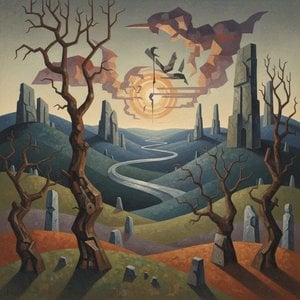
In a Wood
 Contemporary Realism
 1928
1928 28.0 x 28.0 cm
 Ashmolean Museet for Kunst og Arkæologi
 Se mere
Giclée / Kunsttryk
Giclée- eller lærredstryk i museumskvalitet med hurtig produktion og fleksible muligheder for finish. ( Køb håndlavet maleri Køb billede)




































Vælg mellem vores forudindstillede størrelser, der matcher kunstværkets originale proportioner.

Du kan indtaste dine egne mål for at passe til en specifik ramme eller et bestemt område. Hvis den valgte størrelse ikke stemmer overens med det originale billedes proportioner, vil vi enten beskære kunstværket eller udvide billedet med en spejlet eller ensfarvet kant. En digital mockup vil blive sendt til din godkendelse, før produktionen påbegyndes.
Bemærk venligst, at forhåndsvisningen på skærmen ikke afspejler den faktiske beskæring eller udvidelse. Kun mockuppen vil nøjagtigt vise den endelige komposition.
Selvom specialmål er tilgængelige, anbefaler vi at vælge et mål fra den foruddefinerede liste for at bevare de originale proportioner.
Verdensomspændende levering () på 2 uger i stedet for de sædvanlige 4/5 uger. (7 september)

Gratis ekspresforsendelse til hele verden

Lærred af linned i høj kvalitet

Fuld transportforsikring

Garanti for refusion af told og importafgifter

Garanti for præcis farvegengivelse

100 dages returret (kun ved fejl og mangler)

100% Tilfredshedsgaranti

Mængderabat tilgængelig
 Glasmulighed er kun tilgængelig i størrelser under 110 cm

In a Wood
Giclée / Kunsttryk
Størrelse på reproduktion
-


Samlet pris
$ 63
Lignende kunstværker


Kunstnerens biografi
Thomas Saunders Nash (1891 – 1968): A Painter of Rural Faith
Thomas Saunders Nash was born in Évreux, France, in 1891, into a family steeped in artistic tradition. His father, Henry Nash, was a sculptor and instilled in Thomas a deep appreciation for craftsmanship and visual storytelling. Early influences included Impressionism and Post-Impressionism, particularly the works of Jean-François Millet – whose depictions of peasant life resonated deeply with Nash’s own sensibilities. This formative period shaped his artistic vision, prioritizing observation and conveying emotion through subtle tonal shifts and meticulous detail.- Early Life & Education: Nash pursued formal art training at École Supérieure des Beaux-Arts in Paris, honing his skills in oil painting and sculpture. He absorbed the stylistic innovations of Cubism and Surrealism, experimenting with fragmented perspectives and dreamlike imagery alongside more traditional landscapes.
- Notable Works: Nash’s oeuvre is characterized by a profound engagement with themes of rural life, religious devotion, and humanist compassion. His paintings frequently portray scenes of agricultural labor—often illuminated by soft, diffused light—capturing the dignity and resilience of ordinary people.
The Influence of Millet & Surrealism
Nash’s artistic journey was significantly impacted by Jean-François Millet's unflinching portrayal of rural hardship and spiritual contemplation. Millet’s canvases served as a catalyst for Nash to explore the complexities of human experience within the natural world, emphasizing empathy and recognizing the beauty inherent in simplicity. Simultaneously, he embraced Surrealist techniques—particularly automatism—allowing subconscious impulses to guide his creative process. This duality resulted in artworks that blended realism with symbolic resonance, reflecting both meticulous observation and imaginative exploration.- Millet’s Legacy: Nash acknowledged Millet's profound influence on his artistic approach, recognizing the importance of conveying emotion through understated visual language.
- Surrealist Experimentation: He actively incorporated Surrealist principles into his paintings, seeking to tap into the realm of dreams and intuition—a deliberate departure from purely representational art.
Key Achievements & Artistic Style
Nash achieved considerable acclaim during his lifetime, securing commissions for murals and landscapes that celebrated French heritage and humanist values. His distinctive artistic style is marked by a masterful command of tonal gradation—creating atmospheric depth and conveying nuanced emotional states—and an unwavering commitment to capturing the essence of his subjects with remarkable accuracy. He favored muted palettes—often dominated by earthy hues—enhancing the contemplative mood of his compositions.- Murals & Landscape Commissions: Nash’s artistic talent earned him recognition from institutions like St Thomas' Hospital and Musée Thomas-Henry, where he created impactful artworks reflecting social responsibility.
- Technique & Palette: His meticulous brushwork and subtle color harmonies established him as a leading figure in French landscape painting—a testament to his dedication to craftmanship and artistic vision.
Legacy & Historical Significance
Thomas Saunders Nash’s enduring legacy resides in his ability to synthesize Impressionistic observation with Surrealist imagination—producing artworks that transcend mere depiction, communicating profound spiritual and humanist ideas. His paintings continue to inspire viewers with their evocative beauty and thoughtful reflection on the human condition. He remains a prominent artist of the 20th century, remembered for his contribution to French art history and his unwavering devotion to portraying rural life with compassion and artistic integrity.
thomas saunders nash
1891 - 1968
Kort om kunstneren
- Artistic Movement Or Style: Realism
- Artists Or Movements Influenced By This Artist: ['Romanticism']
- Artists Who Influenced This Artist: ['Jean-François Millet']
- Date Of Birth: 1891
- Date Of Death: 1968
- Full Name: Thomas Saunders Nash
- Nationality: British
- Notable Artworks:
- In a Wood
- In the Orchard (The Apple Pickers)
- Crucifixion
- Place Of Birth: Bournemouth, Dorset
Relaterede artikler

John Constables 25 Mesterværker: En Hyldest til Englands Landskabskunst | ArtsDot.com
Oplev John Constables 25 mest ikoniske værker! Fordyb dig i engelsk romantik, betagende landskaber og tidløs skønhed. Køb museumskvalitets reproduktioner af 'The Hay Wain' & mere på ArtsDot.com – inspiration til dit hjem.

Cultivating Visions: A Historical Journey Through Rural Landscapes in Art
Explore the rich history of rural landscape painting with ArtsDot. Discover Impressionist masterpieces, key artists & movements. Find your perfect serene artwork and bring nature's beauty home.

Romantikkens Landskaber: Top 10 Malerier der Definerede En Æra | ArtsDot
Oplev romantikkens storhedstid! Dyk ned i top 10 landskabsmalerier af Caspar David Friedrich, Turner & Constable. Historiske fortællinger og museumskvalitets reproduktioner på ArtsDot.com – find din inspiration til væggen her!

Evocations of Place: A Historical Journey Through Landscape Art
Explore the rich history of landscape art with ArtsDot. Discover renowned artists, movements like Impressionism & Romanticism, and expert guidance for collecting timeless pieces. Find your perfect serene escape today!
Paul Nash: Modernism, Myth & the British Landscape – A Visionary Artist
Explore the evocative landscapes & poignant war art of Paul Nash (1889-1946), a key figure in British Modernism. Discover his unique style and lasting impact on art history with ArtsDot.