

 Se i rummet
 Del som kort
 Del
Del
 Detaljer
 Guide
Guide

 Download
 Lignende værker
 Røntgenundersøgelse
 Diasshow
 Spørgsmål og svar
 Statistikker
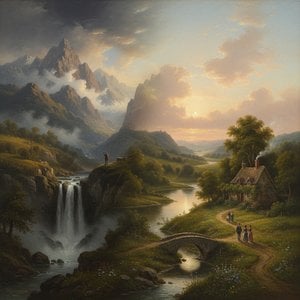
Landscape with a Castle

 Vis mere
Giclée / Kunsttryk
Giclée- eller lærredstryk i museumskvalitet med hurtig produktion og fleksible muligheder for finish. ( Køb håndmalet maleri Skift til digitalt billede)




P118B Dkr10

P118H Dkr10

P118W Dkr10

P438Z Dkr10

P508JH Dkr12

P508YH Dkr12

P805H Dkr10

P805Z Dkr10

P919BZ Dkr10

P919G Dkr10

P919XJ Dkr10

P959ZH Dkr10

P968JZ Dkr12

W106C Dkr8

W218G Dkr10

W218JH Dkr8

W218Y Dkr10

W307PJ Dkr10

W316G Dkr10

W316PJ Dkr8

W316Y Dkr10

W398PJ Dkr8

W4111J Dkr10

W500HY Dkr15

W500JH Dkr15

W692G Dkr12

W849H Dkr8

W940BG Dkr15

W953PJ Dkr8




Vælg mellem vores forudindstillede størrelser, der matcher kunstværkets originale proportioner.

Indtast den bredde og højde, du har brug for, så det passer til din ramme eller din væg. Et print kan kun beskæres, aldrig gøres større end selve billedet, så en størrelse med et andet format vil medføre, at dele af motivet går tabt. Vi sender dig en digital mockup til godkendelse, før vi printer noget. Billedet vist på denne side viser ikke den faktiske beskæring — det er kun mockuppen, der gør.
Verdensomspændende levering () på 2 uger i stedet for de sædvanlige 4/5 uger. (4 november)

Gratis ekspresforsendelse til hele verden

Lærred af linned i høj kvalitet

Fuld transportforsikring

Garanti for refusion af told og importafgifter

Garanti for præcis farvegengivelse

100 dages returret ved fabrikationsfejl

100% fuld returret

Mængderabat ved flere køb
 Glasmulighed er kun tilgængelig i størrelser under 110 cm

Landscape with a Castle
Giclée / Kunsttryk
Størrelse på reproduktion
-


Samlet pris
Dkr 418
A Vision of British Pastoral: Richard Wilson’s ‘Landscape with a Castle’
Richard Wilson's ‘Landscape with a Castle’ is a quintessential example of 18th-century British landscape painting, embodying the growing appreciation for native scenery that characterized the period. The scene depicts a tranquil vista featuring a prominent castle nestled within rolling hills, anchored by figures enjoying the natural world. A man seated on a rock near the water's edge forms a focal point, accompanied by a loyal dog, while two additional figures populate the landscape, adding to the sense of peaceful habitation. This painting isn’t simply a record of place; it is an idealized representation of harmony between humanity and nature.
Style & Technique: Pioneering a British Aesthetic
- Romantic Precursors: Wilson’s work stands at the cusp of Romanticism, anticipating the movement's emphasis on emotion and the sublime in nature. While rooted in classical principles of composition – evident in the balanced arrangement of elements – he infuses his landscapes with a distinctly British sensibility.
- Atmospheric Perspective: A key characteristic of Wilson’s style is his masterful use of atmospheric perspective. Notice how colors soften and details become less distinct as they recede into the distance, creating a convincing illusion of depth and airiness. This technique, borrowed from earlier landscape masters but uniquely applied by Wilson, contributes significantly to the painting's serene mood.
- Oil on Canvas: Executed in oil on canvas, the medium allows for rich color variations and subtle gradations of tone, enhancing the realism and emotional impact of the scene. The brushwork is delicate yet confident, capturing the textures of foliage, stone, and water with remarkable finesse.
Historical Context & Symbolism
Richard Wilson’s shift from portraiture to landscape painting was revolutionary for British art. Prior to his work, landscapes were often treated as subordinate elements within larger compositions or viewed through the lens of classical mythology. Wilson elevated landscape to a primary genre, celebrating the beauty and character of the British countryside. The inclusion of a castle isn't merely topographical; it evokes notions of history, heritage, and national identity – themes that resonated deeply with audiences in 18th-century Britain. The figures within the scene suggest a contemplative appreciation for nature, reflecting Enlightenment ideals about the restorative power of the natural world. Similar compositions can be found in works like ‘River Landscape with Castle, Herdsman and Cows’, demonstrating Wilson’s recurring motifs.
Emotional Impact & Interior Design
‘Landscape with a Castle’ evokes a sense of tranquility, nostalgia, and quiet contemplation. The painting's muted palette and harmonious composition create a soothing atmosphere, making it an ideal addition to interiors seeking a calming presence. Its classic style lends itself well to both traditional and contemporary settings – complementing spaces designed for relaxation, conversation, or artistic appreciation. A high-quality reproduction of this work would bring a touch of British pastoral elegance to any home or office, serving as a timeless reminder of the enduring power of nature and art.
Spørgsmål og svar
Hvor kommer de besøgende til "Landscape with a Castle" af Richard Wilson fra?
Statistikker for "Landscape with a Castle" af Richard Wilson findes på værkets Besøgsstatistik-side: månedlige besøg på værket, besøg på kunstnerens øvrige værker samt en opdeling af de seneste besøgende efter land og sprog.
Hvilken stilart og hvilken epoke tilhører "Landscape with a Castle" af Richard Wilson?
"Landscape with a Castle" af Richard Wilson tilhører Romanticism-bevægelsen fra sin skabers Tidlig moderne tid-æra.
Hvordan downloader jeg billedet af "Landscape with a Castle" af Richard Wilson?
En download er tilgængelig for "Landscape with a Castle": find det digitale billede på kunstværkets Download side, hvor du kan et højopløseligt digitalt billeddownload.
Lignende kunstværker


Kunstnerbiografi
Richard Wilson: A Pioneer of British Landscape Painting
Richard Wilson (1714–1782) stands as a monumental figure in the annals of British art history, recognized universally as one of the foremost landscape painters of his era and arguably the progenitor of a distinctly British artistic tradition. Born in Islington, London, on August 1st, 1714 – though some scholars debate this date – Wilson’s early life remains shrouded in obscurity, reflecting the limitations of archival records prevalent during his lifetime. Nevertheless, evidence suggests he received a robust classical education fostered by his clergyman father, equipping him with foundational knowledge crucial for mastering the artistic disciplines that would define his career.- Early Training & Apprenticeship: Wilson’s initial artistic skills were honed through self-study and observation alongside instruction from Thomas Wright, establishing him as a student of the established portraitist tradition.
- Initial Portraits: His early output consisted primarily of portraits, demonstrating his aptitude for capturing likenesses with meticulous detail and conveying psychological nuance – an influence notably evident in his depictions of Godfrey Kneller.
The Transformation to Landscape Art
Wilson’s artistic trajectory underwent a dramatic metamorphosis during the mid-1750s, propelled by a pivotal journey to Italy. This expedition wasn't merely a vacation; it constituted an immersive encounter with the artistic fervor of the Italian Renaissance and Baroque periods, profoundly impacting his stylistic sensibilities. Exposure to the canvases of Claude Lorrain – particularly his idealized depictions of Arcadia – ignited Wilson’s imagination and instilled in him a fervent admiration for Lorrain’s masterful manipulation of light and atmosphere. This influence extended beyond mere aesthetic preference; it fundamentally reshaped Wilson's compositional approach, encouraging him to prioritize grandeur and harmony—characteristics that would become hallmarks of his subsequent landscapes.- Italian Influence: Claude Lorrain’s techniques – specifically the use of atmospheric perspective – became a cornerstone of Wilson’s artistic vocabulary.
- Classical Composition: He adopted classical principles of balance and proportion, mirroring the grandeur of Roman temples and palaces in his paintings.
Mature Style & Distinctive Vision
Wilson cultivated a uniquely British aesthetic that transcended mere imitation of continental styles. While acknowledging the influence of artists like Gainsborough—whose ability to capture fleeting moments of emotion resonated deeply with Wilson—he distinguished himself through an unwavering commitment to idealized beauty and a deliberate structuring of his compositions. His landscapes weren’t simply representations of scenery; they were carefully crafted narratives designed to evoke contemplation and convey profound emotional resonance. He skillfully employed atmospheric perspective, creating convincing illusions of depth and distance – a technique perfected by artists like Turner—and bathed his canvases in warm, golden light reminiscent of the Tuscan sun, capturing the tranquility and majesty of the English countryside.- Atmospheric Perspective: Wilson’s masterful use of atmospheric haze and tonal gradation conveyed an unparalleled sense of depth and realism.
- Golden Light: The luminous quality of his paintings—particularly those depicting Snowdon—became synonymous with British landscape art, embodying a spirit of serenity and sublime grandeur.
Notable Works & Legacy
Wilson’s artistic output encompassed a vast panorama of landscapes spanning Britain and Italy, cementing his reputation as one of the most prolific painters of his generation. Among his celebrated masterpieces are “Meleager and Atalanta” (c. 1743), which exemplifies his ability to distill the essence of British pastoralism into a single evocative image; “The Hengö Watch” (1756–57)—a monumental depiction of the German Baltic coast—demonstrating Wilson’s mastery of color, texture and compositional balance; and numerous other canvases portraying iconic locations such as Snowdonia National Park. His influence extended far beyond his immediate contemporaries, shaping the artistic sensibilities of subsequent generations of British painters including Constable, Turner and Crome. Wilson's unwavering devotion to capturing the sublime beauty of nature established a distinctively British tradition that continues to inspire artists today.- Iconic Landscapes: Snowdon from Llyn Nantlle remains one of Britain’s most recognizable landscapes, embodying Wilson’s vision of idealized rural grandeur.
Recognition & Museums Collections
Richard Wilson's enduring artistic legacy is safeguarded in prominent museums across the United Kingdom and beyond: Tate Britain in London houses a substantial collection of his paintings, Walker Art Gallery in Liverpool showcases masterpieces from his oeuvre, and National Museum Wales in Cardiff proudly displays significant works reflecting Wilson’s artistic achievements. His contribution to British art history remains undeniable—a testament to his pioneering spirit and unwavering commitment to elevating landscape painting to the highest levels of aesthetic excellence.
Richard Wilson
1713 - 1782 , Storbritannien
Kort om kunstneren
- Artistic Movement Or Style: Landscape kunst
- Artists Or Movements Influenced By This Artist:
- George Lambert
- Turner
- Artists Who Influenced This Artist:
- Godfrey Kneller
- Claude Lorrain
- Date Of Birth: 1713/1714
- Date Of Death: 1782
- Full Name: Richard Wilson
- Nationality: Britisk
- Notable Artworks:
- Meleager og Atalanta
- Hengö Vagt
- Place Of Birth: Islington, United Kingdom
Relaterede artikler
The Sublime and the Picturesque: Exploring Emotion & Nature in Romantic Landscape Painting
Explore the emotional power of Romantic landscape painting! Discover the sublime & picturesque aesthetics, key artists like Friedrich & Cole, and lasting influence on art history. Find your perfect piece at ArtsDot.

The Sublime and the Picturesque: Exploring Emotion & Nature in Romantic Landscape Painting
Explore the emotional power of Romantic landscape painting! Discover the sublime & picturesque traditions, key artists like Friedrich & Cole, and find your perfect artwork at ArtsDot.

Romantikkens Landskaber: Top 10 Malerier der Definerede En Æra | ArtsDot
Oplev romantikkens storhedstid! Dyk ned i top 10 landskabsmalerier af Caspar David Friedrich, Turner & Constable. Historiske fortællinger og museumskvalitets reproduktioner på ArtsDot.com – find din inspiration til væggen her!

Evocations of Place: A Historical Journey Through Landscape Art
Explore the rich history of landscape art with ArtsDot. Discover renowned artists, movements like Impressionism & Romanticism, and expert guidance for collecting timeless pieces. Find your perfect serene escape today!

Evoking Emotion & Transcendence: Romantic Landscape Painting (18th-19th Century)
Explore the emotional depth of Romantic landscape painting (18th-19th century). Discover key artists like Friedrich & Cole, and the concepts of the sublime. Expert insights for art lovers & collectors.