

 Se i fuld skala
 Del
Del Del
Del
 Detaljer

 Download
 Lignende værker
 Røntgenundersøgelse
 Diasshow
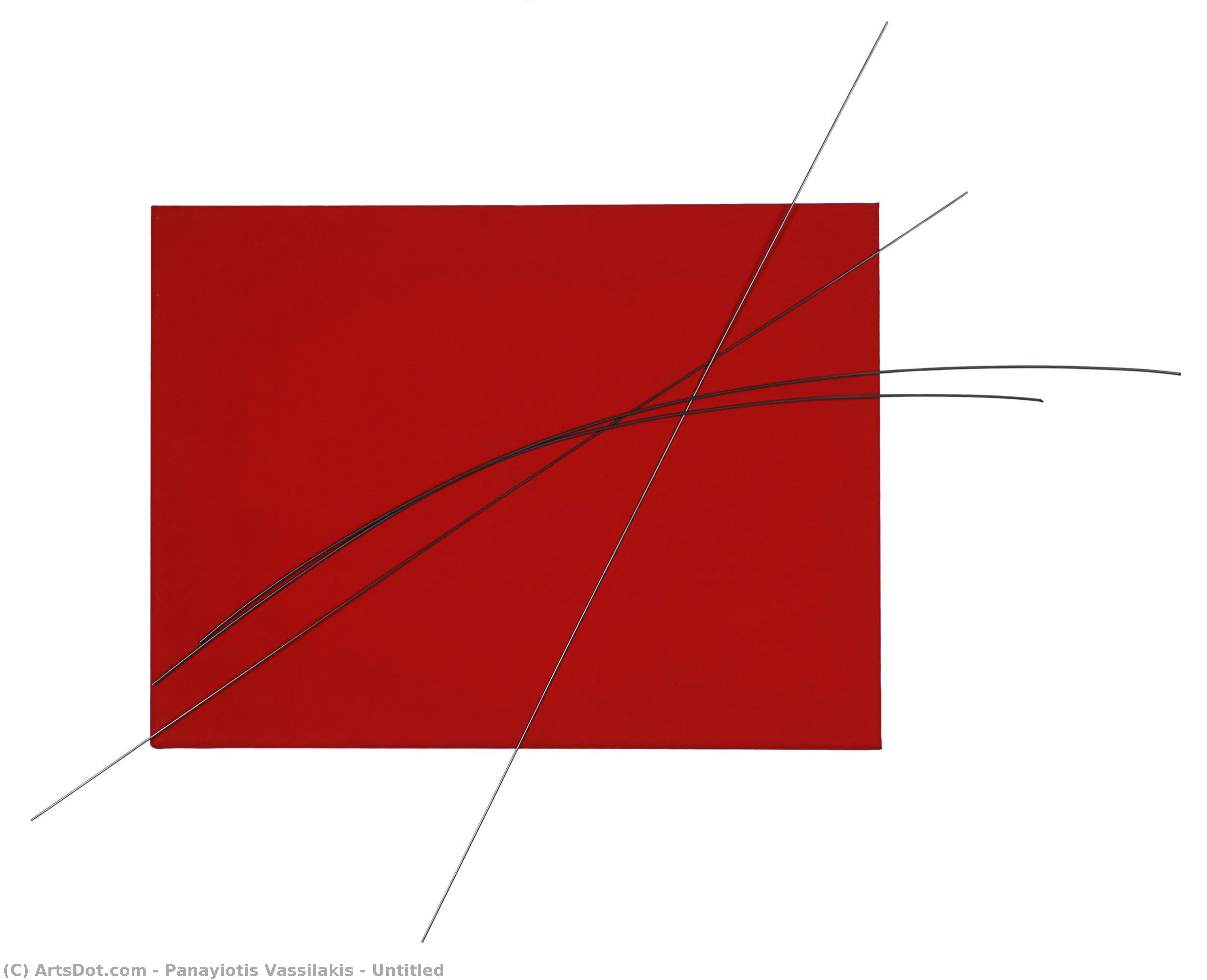
Untitled
 Contemporary Minimalism
 65.0 x 69.0 cm
 The Sotiris Felios Collection
 Se mere
Giclée / Kunsttryk
Giclée- eller lærredstryk i museumskvalitet med hurtig produktion og fleksible muligheder for finish. ( Køb håndlavet maleri Køb billede)




































Vælg mellem vores forudindstillede størrelser, der matcher kunstværkets originale proportioner.

Du kan indtaste dine egne mål for at passe til en specifik ramme eller et bestemt område. Hvis den valgte størrelse ikke stemmer overens med det originale billedes proportioner, vil vi enten beskære kunstværket eller udvide billedet med en spejlet eller ensfarvet kant. En digital mockup vil blive sendt til din godkendelse, før produktionen påbegyndes.
Bemærk venligst, at forhåndsvisningen på skærmen ikke afspejler den faktiske beskæring eller udvidelse. Kun mockuppen vil nøjagtigt vise den endelige komposition.
Selvom specialmål er tilgængelige, anbefaler vi at vælge et mål fra den foruddefinerede liste for at bevare de originale proportioner.
Verdensomspændende levering () på 2 uger i stedet for de sædvanlige 4/5 uger. (15 august)

Gratis ekspresforsendelse til hele verden

Lærred af linned i høj kvalitet

Fuld transportforsikring

Garanti for refusion af told og importafgifter

Garanti for præcis farvegengivelse

60 dages returret (kun ved fabrikationsfejl)

100% Tilfredshedsgaranti

Mængderabat tilgængelig
 Glasmulighed er kun tilgængelig i størrelser under 110 cm

Untitled
Giclée / Kunsttryk
Størrelse på reproduktion
-


Samlet pris
$ 63
Lignende kunstværker


Kunstnerens biografi
A Pioneer of Kinetic Energy: The Life and Work of Takis
Panayiotis Vassilakis, universally known as Takis, was a singular force in the landscape of post-war art, a Greek artist who transcended conventional boundaries to become a leading figure in kinetic sculpture. Born in Athens in 1925, his life was deeply interwoven with the tumultuous events of the 20th century – the lingering echoes of the Greco-Turkish War, the hardships of Axis occupation during World War II, and the subsequent Greek Civil War all cast long shadows over his formative years. These experiences instilled within him a profound sense of urgency and a desire to challenge established norms, ultimately fueling his groundbreaking artistic explorations. Despite initial familial disapproval, Takis relentlessly pursued his passion, establishing an early workshop where he began to grapple with form and material, initially inspired by the works of masters like Picasso and Giacometti.From Plaster Busts to Magnetic Fields: The Evolution of a Vision
Takis’s artistic journey truly took flight in the 1950s when he relocated to Paris. This period marked a pivotal shift in his approach, moving beyond traditional sculpture towards an investigation of movement and energy. A brief sojourn at Brancusi's atelier proved influential, though Takis quickly forged his own path, driven by an insatiable curiosity for the unseen forces shaping our world. His early kinetic works, dubbed “Signals,” emerged from observations made while waiting for a train in Calais – the flashing lights and antenna arrays sparked a fascination with communication and vibration. These sculptures weren’t static objects; they swayed and shifted with the slightest breeze, adorned with found objects that created unique sonic resonances. However, it was his discovery of magnetism in 1959 that unlocked the core of his artistic vision. Takis sought to defy gravity, creating works that appeared to float in space, animated by invisible forces. This wasn’t merely about aesthetic innovation; it was a quest to render visible the hidden energies permeating existence.Art and Science Intertwined: Telesculptures, Telepaintings, and Musical Instruments
Takis relentlessly blurred the lines between art and science, viewing his studio as a laboratory where he could experiment with electricity, sound, light, and magnetic fields. This dedication led to the creation of “Telesculptures” and “Telepaintings,” ambitious projects that aimed to capture cosmic energies and communicate across vast distances. He wasn’t content with simply representing these forces; he wanted to harness them, believing in their potential for healing and peace. His exploration extended into sound with his "Musicals," automated instruments employing electromagnets and electric guitar pickups to generate what he termed “raw music” – reverberant compositions born from the interplay of energy and technology. This period saw Takis engaging with a vibrant intellectual community, attracting attention from poets, musicians, and fellow artists who recognized the radical nature of his work.A Legacy of Innovation: From MIT to the Takis Foundation
Takis’s groundbreaking research garnered recognition beyond the art world, culminating in an invitation to serve as a researcher at the Massachusetts Institute of Technology (MIT) in 1968. This experience further solidified his belief in the interconnectedness of art and science, allowing him to explore new materials and technologies. Throughout his career, Takis remained fiercely independent, challenging conventional artistic structures and advocating for artist’s rights. In 1986, he established the KETE Foundation (later renamed the Takis Foundation) in Athens – a research center dedicated to advancing his explorations of art and science. This foundation became a hub for experimentation, housing his vast archive and serving as his primary studio until his death in 2019. His work continues to inspire artists and scientists alike, demonstrating the enduring power of curiosity, innovation, and a relentless pursuit of the unseen forces that shape our universe. Takis, often described as a “tireless worker of magnetic fields,” left behind a body of work that redefined modern sculpture and expanded the very definition of artistic expression.Historical Significance: A Redefinition of Sculpture
Takis’s impact on the art world is undeniable. He was a pioneer of kinetic art, challenging the traditional notion of sculpture as a static object and embracing movement, energy, and interactivity. His work anticipated many later developments in installation art, sound art, and technological art. He wasn't simply creating objects; he was constructing systems that engaged with their environment and invited viewers to participate in a dynamic dialogue. His influence extends beyond the realm of visual arts, inspiring thinkers across disciplines to explore the boundaries between science, technology, and creativity. Exhibitions at prestigious institutions like Tate Modern, the Menil Collection, and the Centre Pompidou have cemented his legacy as one of the most important artists of the 20th century, a visionary who dared to look beyond the visible world and unlock the hidden energies that connect us all.
panayiotis vassilakis
1925 - 2019 , Greece
Kort om kunstneren
- Artistic Movement Or Style: Kinetic Art
- Artists Or Movements Influenced By This Artist: Modern Sculpture
- Artists Who Influenced This Artist:
- Picasso
- Giacometti
- Date Of Birth: October 29, 1925
- Date Of Death: August 9, 2019
- Full Name: Panayiotis Vassilakis
- Nationality: Greek
- Notable Artworks:
- Untitled
- Oedipus and Antigone
- Place Of Birth: Athens, Greece
Relaterede artikler

Geometrisk Abstraktion: Top 10 Kunstværker der Definerede Bevægelsen | ArtsDot.dk
Oplev de 10 mest ikoniske værker inden for geometrisk abstraktion! Fra Kandinsky til Mondrian – lær historierne bag disse banebrydende kunstnere og deres farverige malerier. Find museumskvalitets reproduktioner & inspiration til din indretning på ArtsDot.dk.

Kazimir Malevichs 25 Mesterværker: En Rejse Ind i Abstrakt Kunst | ArtsDot
Oplev Kazimir Malevichs 25 mest ikoniske værker! Dyk ned i Suprematismens verden, fra 'Sort Firkant' til 'Hvidt på Hvidt'. Find inspiration og køb museumskvalitets kunsttryk hos ArtsDot.com – din kilde til abstrakt kunst & eksklusiv vægkunst.

Kandinskys 25 Mesterværker: En Rejse Ind i Abstrakt Kunst | ArtsDot.com
Oplev Kandinskys 25 mest ikoniske værker! Dyk ned i abstrakt kunst, ekspressionisme og farvernes sprog. Find luksus reproduktioner af berømte malerier som 'Komposition VIII' på ArtsDot.com – inspiration til din vægkunst & indretning.

Beyond Form & Color: Geometric Abstraction's Enduring Legacy in Art History
Explore the captivating world of geometric abstraction! Discover its origins, key artists like Malevich & Mondrian, and why this movement remains highly valued by art collectors today. Expert insights at ArtsDot.

Beyond Form & Color: Geometric Abstraction's Evolution in 20th/21st Century Art
Explore the evolution of geometric abstraction from Cubism to contemporary art. Discover key artists like Malevich & Mondrian, investment insights, and expert collecting advice at ArtsDot.

