

 Se i rummet
 Del som kort
 Del
Del
 Detaljer
 Guide
Guide

 Download
 Lignende værker
 Røntgenundersøgelse
 Diasshow
 Spørgsmål og svar
 Statistikker
Vestibule


 Vis mere
Giclée / Kunsttryk
Giclée- eller lærredstryk i museumskvalitet med hurtig produktion og fleksible muligheder for finish. ( Køb håndmalet maleri Skift til digitalt billede)




P118B Dkr10

P118H Dkr10

P118W Dkr10

P438Z Dkr10

P508JH Dkr12

P508YH Dkr12

P805H Dkr10

P805Z Dkr10

P919BZ Dkr10

P919G Dkr10

P919XJ Dkr10

P959ZH Dkr10

P968JZ Dkr12

W106C Dkr8

W218G Dkr10

W218JH Dkr8

W218Y Dkr10

W307PJ Dkr10

W316G Dkr10

W316PJ Dkr8

W316Y Dkr10

W398PJ Dkr8

W4111J Dkr10

W500HY Dkr15

W500JH Dkr15

W692G Dkr12

W849H Dkr8

W940BG Dkr15

W953PJ Dkr8




Vælg mellem vores forudindstillede størrelser, der matcher kunstværkets originale proportioner.

Indtast den bredde og højde, du har brug for, så det passer til din ramme eller din væg. Et print kan kun beskæres, aldrig gøres større end selve billedet, så en størrelse med et andet format vil medføre, at dele af motivet går tabt. Vi sender dig en digital mockup til godkendelse, før vi printer noget. Billedet vist på denne side viser ikke den faktiske beskæring — det er kun mockuppen, der gør.
Verdensomspændende levering () på 2 uger i stedet for de sædvanlige 4/5 uger. (9 november)

Gratis ekspresforsendelse til hele verden

Lærred af linned i høj kvalitet

Fuld transportforsikring

Garanti for refusion af told og importafgifter

Garanti for præcis farvegengivelse

100 dages returret ved fabrikationsfejl

100% fuld returret

Mængderabat ved flere køb
 Glasmulighed er kun tilgængelig i størrelser under 110 cm

Vestibule
Giclée / Kunsttryk
Størrelse på reproduktion
-


Samlet pris
Dkr 420
Vestibule
Michelangelo Buonarroti’s Vestibule stands as an unparalleled testament to Renaissance architectural innovation and artistic mastery, residing within the Biblioteca Medicea-Laurenziana in Florence. Commissioned by Pope Clement VII in 1523, this ambitious project aimed to establish a grand repository of knowledge for the Medici family—a legacy that continues to inspire awe centuries later.The Vestibule’s genesis lies firmly rooted in the humanist ideals of its time, mirroring the broader artistic fervor sweeping across Europe during the High Renaissance. Michelangelo, already celebrated for his sculptures like David and Pietà, approached this architectural challenge with a singular vision—one informed by meticulous observation of classical forms and imbued with an unwavering belief in the transformative power of art.
Architectural Innovations: A Dialogue Between Tradition and Bold Experimentation
Michelangelo’s design defied conventional norms, prioritizing dynamism and grandeur over static symmetry. The staircase itself is arguably his most striking achievement—a double-flight structure that ascends majestically towards the library's reading room. Its undulating curves and monumental scale weren’t merely functional; they served as a deliberate provocation, reflecting Michelangelo’s conviction that architecture could elevate the human spirit.- Double Staircase Design: The innovative double-flight design creates a dramatic visual effect, emphasizing height and movement.
- Classical Influence: Despite its daring departures from established architectural styles, Michelangelo drew inspiration from classical columns and proportions.
- Spatial Harmony: Michelangelo skillfully crafted the Vestibule’s interior space to foster contemplation and intellectual engagement.
Artistic Elements: Marble Sculpture and Decorative Detail
The Vestibule's walls are adorned with niches housing sculptures—a deliberate gesture intended to enrich the visual experience and reinforce the library’s role as a center of artistic erudition. Michelangelo’s masterful manipulation of marble demonstrates his unparalleled technical skill, capturing subtle nuances of emotion and form.Legacy and Preservation: A Timeless Masterpiece
Today, the Biblioteca Medicea-Laurenziana safeguards Michelangelo's Vestibule—a beacon of artistic achievement that continues to captivate visitors from across the globe. Its enduring appeal stems not only from its architectural grandeur but also from its profound reflection of humanist values and Michelangelo’s unwavering commitment to elevating human experience through art.For those unable to experience this extraordinary artwork in person, ArtsDot.com offers exceptional reproductions—allowing you to immerse yourself in the splendor of Michelangelo's vision.
- Michelangelo Buonarroti: Vestibule
- Michelangelo Buonarroti: Staircase in the Vestibule
- Michelangelo Buonarroti: David (detail)
- Michelangelo Buonarroti: David (detail)
For a deeper dive into the history of the Biblioteca Medicea-Laurenziana, visit Discovering the Biblioteca Medicea-Laurenziana, a Hidden Gem of Florence.
Spørgsmål og svar
Hvilket rum anbefales "Vestibule" af Michelangelo Buonarroti til?
En reproduktion af "Vestibule" vil passe smukt ind i et Living Room.
Findes der et faktablad om "Vestibule" af Michelangelo Buonarroti til studerende?
Der er en Elevguide-side tilgængelig for "Vestibule" af Michelangelo Buonarroti: et printbart faktablad om kunstværket, designet til elever og undervisningsbrug.
Er en højtopløselig download af "Vestibule" tilgængelig?
"Vestibule" er tilgængelig som et højopløseligt digitalt billeddownload og kan købes direkte på dens Digitalt billede-side.
Lignende kunstværker


Kunstnerbiografi
Stenens og støvets tyngde
I bakkerne ved Caprese lærte en dreng vægten af sten og ruheden fra marmelstøv. Født i 1475 tilbragte Michelangelo Buonarroti sine tidlige år nær Settignano, hvor hans far ejede et stenbrud. Duften af fugtig jord og lyden af hamre mod klippe var en del af hans barndom. Han begyndte ikke med pensler, men med mejslen. Hans læretid under Domenico Ghirlandaio i Firenze bragte ham i kontakt med byens voksende interesse for den menneskelige form, men det var Medici-haverne, der for alvor formede hans blik. Her, blandt antikke græske og romerske fragmenter, studerede han, hvordan lyset falder over muskel og knogler.
Hans arbejde begyndte at tage form gennem et dybt studie af anatomi. Han betragtede, hvordan en lem bærer sin vægt, og hvordan huden strækker sig over et led. Dette fokus på kroppens fysiske virkelighed blev hans primære sprog. Da han nåede Rom i 1496, var han allerede i gang med at udhugge figurer, der besad en tung, mærkbar tilstedeværelse. Pietà, fuldført i 1499, udviser denne tidlige evne til at få marmor til at fremstå lige så blødt som kød, selv mens den bærer vægten af en død mand.
Loftets spænding
Opgaven med loftet i Det Sixtinske Kapel var ikke noget, han selv havde søgt. Han betragtede sig selv som en billedhugger, en der henter livet ud af stenen snarere end at sprede pigment på puds. Alligevel arbejdede han i fire år i kapellets høje gemakker, hvor han malede over 300 figurer fra Første Mosebog. Det fysiske slid var synligt i hans dagligdag. Han tilbragte timer i besværlige stillinger, hans krop strakt af rækkevidden og den tunge påføring af freskoteknikken. I paneler som Adams skabelse findes spændingen i det lille mellemrum mellem to fingre, et øjeblik af næsten-kontakt, der fastholder beskuerens opmærksomhed gennem ren komposition.
Som tiden gik, bevægede hans stil sig væk fra Højrenæssancens balancerede idealer mod noget mere rastløst. Hans senere værker, såsom Dommedag på altervæggen, viser et skift mod manierismen. Figurerne blev mere langstrakte, og kompositionerne mere overfyldte og dramatiske. Denne forandring afspejlede et skiftende åndeligt klima i Rom. Han fortsatte med at arbejde med en intensitet, som mange fandt overvældende, og efterlod ofte projekter ufuldendte, i takt med at hans sind søgte mod nye arkitektoniske eller skulpturelle problemstillinger.
Arkitektur og de sidste år
I sine senere årtier rettede Michelangelo meget af sin opmærksomhed mod bygningers struktur. I en alder af 71 år overtog han arbejdet på Peterskirken, hvor han ændrede planerne for at skabe et mere massivt og imponerende design. Han designede også Laurentinerbiblioteket, hvor hans brug af arkitektoniske elementer brød med traditionen og skabte en følelse af bevægelse i selve stenen. Hans arbejde på Piazza del Campidoglio i Rom viste, hvordan han kunne organisere et offentligt rum ved hjælp af symmetri og klassiske motiver til at guide øjet gennem pladsen.
Han døde i Rom i 1564 og efterlod sig en arv skrevet i marmor, fresko og sten. Hans liv var defineret af flere centrale roller:
- Billedhugger: Udskæring af værker som David fra massive blokke af Carrara-marmor.
- Malere: Udførelsen af de enorme narrative cyklusser i Det Sixtinske Kapel.
- Arkitekt: Redesign af fundamenterne til Peterskirken og Laurentinerbiblioteket.
- Poet: Udtryk for sine indre tanker gennem vers.

Michelangelo Buonarroti
1475 - 1564 , Italien
Kort om kunstneren
- Artistic Movement Or Style: Højrenæssance, manierisme
- Artists Or Movements Influenced By This Artist: ['Manierisme']
- Artists Who Influenced This Artist: ['Domenico Ghirlandaio']
- Date Of Birth: 1475
- Date Of Death: 1564
- Full Name: Michelangelo di Lodovico Buonarroti Simoni
- Nationality: Italiensk
- Notable Artworks:
- Pietà
- David
- Det Sixtinske Kapels loft
- Dommedag
- Place Of Birth: Caprese Michelangelo, Italien
Relaterede artikler

The Enduring Legacy of Marble: A Comprehensive Exploration of Technique, Symbolism & Artistic Expression
Explore the rich history of marble sculpture from antiquity to the Renaissance! Discover key techniques, influential artists & enduring themes in classical art. Expert insights for collectors and enthusiasts at ArtsDot.

Bronzeskulpturers Mestre: 10 Værker der Ændrede Kunsthistorien | ArtsDot
Oplev de 10 mest legendariske bronzeskulpturer, der har formet kunsthistorien! Fra Rodin til Vigeland – lær historierne bag mesterværkerne og find inspiration til din indretning. Køb museumskvalitets reproduktioner på ArtsDot.com.
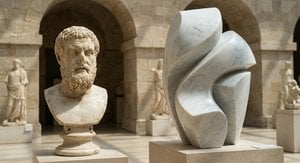
The Enduring Allure of Marble in Art History: From Classical Sculpture to Modern Abstraction
Explore the captivating history of marble sculpture from ancient Greece to modern art. Discover renowned artists like Canova & Michelangelo, carving techniques, and investment insights at ArtsDot.

Michelangelo Buonarottis 25 Mesterværker: Skulpturer & Malerier til Dit Hjem | ArtsDot
Oplev Michelangelos 25 mest ikoniske værker – fra David til Pietà og Sixtinske Kapel. Lær om renæssancens mester, hans teknikker & tidløse kunst. Find museumskvalitets reproduktioner på ArtsDot.com.

Top 10 Bronzemesterværker: Kunsthistorien Ændret for Evigt | ArtsDot.dk
Oplev de 10 mest legendariske bronzemesterværker, der har formet kunsthistorien! Fra Rodin til Degas – lær historierne bag ikoniske skulpturer og find inspiration til din indretning. Køb museumskvalitets reproduktioner på ArtsDot.com.


