


 Se i fuld skala
 Del
Del Del
Del
 Detaljer

 Download
 Lignende værker
 Røntgenundersøgelse
 Diasshow
Predella panel from the Pisa Altar
 Oil On Panel
- Early Renaissance
 1426
1426- Renaissance
 21.0 x 61.0 cm
 Staatliche Museen zu Berlin
 Se mere
Håndlavet oliereproduktion
Håndmalet olie på lærred i din valgte størrelse og ramme, udført efter bestilling af vores kunstnere. ( Køb print Køb billede)




P118B $10

P118H $10

P118W $10

P438Z $10

P508JH $12

P508YH $12

P805H $10

P805Z $10

P919BZ $10

P919G $10

P919XJ $10

P959ZH $10

P968JZ $12

W106C $8

W218G $10

W218JH $8

W218Y $10

W307PJ $10

W316G $10

W316PJ $8

W316Y $10

W398PJ $8

W4111J $10

W500HY $15

W500JH $15

W692G $12

W849H $8

W940BG $15

W953PJ $8




Vælg mellem vores forudindstillede størrelser, der matcher kunstværkets originale proportioner.

Du kan indtaste dine egne mål for at passe til en bestemt ramme eller plads. Hvis den valgte størrelse ikke stemmer overens med det originale billedes proportioner, vil vi enten beskære kunstværket eller udvide maleriet med yderligere håndmalede elementer. En digital skitse sendes til din godkendelse, før produktionen påbegyndes.
Bemærk venligst, at forhåndsvisningen på skærmen ikke afspejler den faktiske beskæring eller udvidelse. Kun skitsen vil nøjagtigt vise den endelige komposition.
Selvom specialmål er mulige, anbefaler vi at vælge en dimension fra den foruddefinerede liste for at bevare de originale proportioner.
Efter bestilling vil ArtsDot.com team sende en e-mail til kunden for at få instruktioner og levere et udkast til en skitse.
Levering i hele verden () på 3/4 uger i stedet for de standard 5 uger. (17 august). Ingen kompromiser med kvaliteten.

Gratis ekspresforsendelse til hele verden

Lærred af linned i høj kvalitet

Fuld transportforsikring

Garanti for refusion af told og importafgifter

Garanti for præcis farvegengivelse

60 dages returret (kun ved fabrikationsfejl)

100% Tilfredshedsgaranti

Mængderabat tilgængelig
 Glasmulighed er kun tilgængelig i størrelser under 110 cm

Predella panel from the Pisa Altar
Reproduktionsmetode
Størrelse på reproduktion
-


Samlet pris
$ 263
Beskrivelse af kunstværket
The Dawn of Human Drama on Sacred Stone
To stand before this Predella panel from the Pisa Altar is to encounter a moment frozen in time, yet vibrating with raw, undeniable human drama. Dating to 1426, this work captures Masaccio at the zenith of his revolutionary power. It is not merely a depiction of the Crucifixion; it is a profound meditation on sacrifice, community, and the weight of divine narrative rendered with startling immediacy. The composition draws the eye inexorably toward the central figure of Christ, yet the surrounding throng—the grieving Mary, the concerned disciples, the onlookers—are given such palpable volume and individual presence that they become as much subjects as the event itself.
Masaccio's Revolutionary Realism
What distinguishes this piece is Masaccio’s groundbreaking commitment to naturalism. He did not paint figures floating in an ethereal haze; he grounded them firmly within a believable, architectural space. The mastery of perspective here is breathtaking, pulling the viewer into the scene as if they stood on the very steps of the altar. Furthermore, his handling of light and shadow—the nascent use of chiaroscuro—gives every fold of drapery and every anguished face a sculptural weight. One can almost feel the cool stone beneath the figures' feet. This technical brilliance marks him as a pivotal figure, ushering in an era where art dared to mimic the observable reality of the human experience.
Symbolism and the Weight of Witness
The narrative density is remarkable. Beyond the central tragedy, the inclusion of multiple witnesses—the sheer number of figures surrounding the cross—transforms the scene into a complex tableau of human reaction. Each person embodies a different facet of piety, shock, or contemplation. Even the two horses, positioned with such unexpected placement within this sacred drama, add an element of earthly vitality, anchoring the divine event to the tangible world. These elements invite deep symbolic reading: the collective gaze of humanity confronting ultimate sacrifice.
An Echo for the Modern Collector
For the discerning collector or designer seeking art that speaks with intellectual depth and emotional resonance, this panel offers unparalleled gravity. Reproducing Masaccio’s genius allows one to bring a piece of early Renaissance revolutionary spirit into a contemporary setting. It is an object that demands contemplation, elevating any space it graces from mere decoration to a locus of profound thought. Owning or displaying a high-quality reproduction of this work connects the admirer directly to the moment art shifted from stylized allegory toward the vibrant, empathetic portrayal of human life.
Lignende kunstværker


Kunstnerens biografi
Masaccio (1401-1428): Tommaso di Ser Giovanni di Simone – Pionjeren af Renæssancens Realisme
Tommaso di Ser Giovanni di Simone Guidi Cassai, bedre kendt som Masaccio (født 21. december 1401 i San Giovanni Valdarno nær Firenze og død efter sommeren 1428 i Rom), regnes sammen med Giotto blandt de vigtigste italienske malere i den tidlige renæssance. Sammen med Masolino malede Masaccio 1425-1428 freskerne i Santa Maria del Carmine i Firenze med motiver fra apostlen Peters liv. Masaccios karriere blev ikke lang – han døde 27 år gammel – men realismen og centralperspektivet fik stor indflydelse på kunsthistorien og satte nye standarder for hvordan menneskeligheden skulle repræsenteres i kunsten. Selvom hans korte liv var præget af tragedie, er Masaccio’s betydning som kunstner ubestridelig og hans værker fortsætter med at fascinere kunstnere og forskere verden over.Tidligt Liv og Uddannelse
Masaccio blev født i Castel San Giovanni di Valdarno, mellem Firenze og Arezzo, omkring 40 kilometer sydøst for Firenze. Hans far var Ser Giovanni di Mone Cassai, en notar, og hans mor, Monna Iacopa, var søn af en værtshusinde. Masaccio’s bror Giovanni var også kunstner; han blev kendt som Lo Scheggia (“den Splinter”), og selvom han kun signe
Masaccio
1401 - 1429 , Italien
Kort om kunstneren
- Artistic Movement Or Style: Tidlig renæssance
- Artists Or Movements Influenced By This Artist: ['Senere renæssance kunstnere']
- Artists Who Influenced This Artist:
- Giotto
- Filippo Brunelleschi
- Date Of Birth: December 21, 1401
- Date Of Death: Summer 1428
- Full Name: Tommaso di Ser Giovanni di Simone Cassai
- Nationality: Italiensk
- Notable Artworks:
- The Trinity
- Brancacci Chapel fresker
- Holy Trinity
- Place Of Birth: San Giovanni Valdarno, Italien
Relaterede artikler

Giclée Prints: Archival Quality & Aesthetic Nuances for the Discerning Collector
Explore the world of giclée prints with ArtsDot. Learn about archival quality, aesthetic nuances & investment potential. Expert guidance for discerning art collectors seeking museum-quality reproductions and lasting value.

The Enduring Legacy of Fine Art Prints: Technique, History & Aesthetic Impact
Explore the rich history & techniques of fine art prints. Discover investment potential, assess authenticity, and learn how to preserve your collection with expert guidance. Trusted insights for discerning collectors.

Echoes of Time: Exploring the Enduring Appeal & Historical Context of Vintage Art Prints
Explore the captivating world of vintage art prints! Discover their history, collecting tips & enduring appeal. Expert insights on chromolithography and building a legacy collection with ArtsDot.
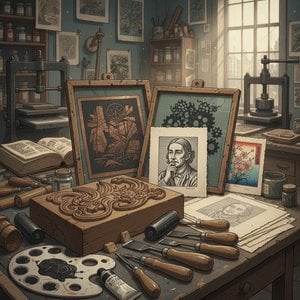
The Enduring Legacy of Printmaking: Techniques, Themes & Artistic Innovation Across Centuries
Explore the rich history of printmaking with ArtsDot. Discover techniques from intaglio to lithography, learn about collecting valuable prints & find museum-quality reproductions. Expert insights for art enthusiasts and collectors.

Fra Angelicos 25 Mesterværker: Renæssancekunst til Dit Hjem | ArtsDot.dk
Oplev Fra Angelicos 25 mest ikoniske renæssancemalerier. Fordyb dig i historien bag disse religiøse mesterværker, fresker og altertavler. Find inspiration til din indretning & køb museumskvalitets reproduktioner på ArtsDot.com.



