

 Se i fuld skala
 Del
Del Del
Del
 Detaljer

 Download
 Lignende værker
 Røntgenundersøgelse
 Diasshow
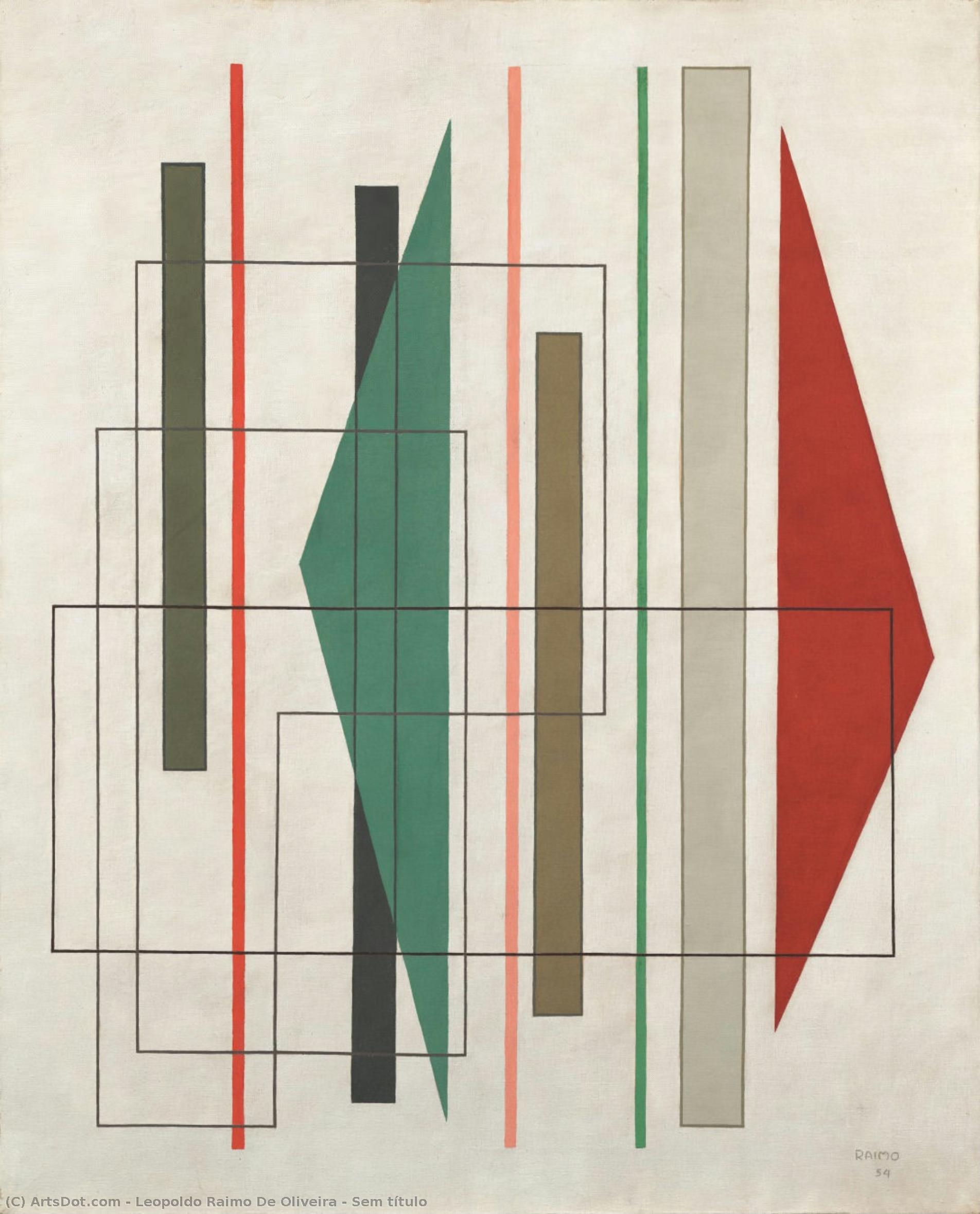
Sem título
 Painting
- Abstract Art
 1954
1954- Modern
 80.0 x 64.0 cm
 Pinacoteca do Estado de São Paulo
 Se mere
Giclée / Kunsttryk
Giclée- eller lærredstryk i museumskvalitet med hurtig produktion og fleksible muligheder for finish. ( Køb håndlavet maleri Køb billede)




































Vælg mellem vores forudindstillede størrelser, der matcher kunstværkets originale proportioner.

Du kan indtaste dine egne mål for at passe til en specifik ramme eller et bestemt område. Hvis den valgte størrelse ikke stemmer overens med det originale billedes proportioner, vil vi enten beskære kunstværket eller udvide billedet med en spejlet eller ensfarvet kant. En digital mockup vil blive sendt til din godkendelse, før produktionen påbegyndes.
Bemærk venligst, at forhåndsvisningen på skærmen ikke afspejler den faktiske beskæring eller udvidelse. Kun mockuppen vil nøjagtigt vise den endelige komposition.
Selvom specialmål er tilgængelige, anbefaler vi at vælge et mål fra den foruddefinerede liste for at bevare de originale proportioner.
Verdensomspændende levering () på 2 uger i stedet for de sædvanlige 4/5 uger. (17 august)

Gratis ekspresforsendelse til hele verden

Lærred af linned i høj kvalitet

Fuld transportforsikring

Garanti for refusion af told og importafgifter

Garanti for præcis farvegengivelse

60 dages returret (kun ved fabrikationsfejl)

100% Tilfredshedsgaranti

Mængderabat tilgængelig
 Glasmulighed er kun tilgængelig i størrelser under 110 cm

Sem título
Giclée / Kunsttryk
Størrelse på reproduktion
-


Samlet pris
$ 63
Beskrivelse af samlerobjektet
A Symphony of Form and Color
In the realm of mid-century abstraction, few works capture the rhythmic pulse of geometric exploration as vibrantly as Sem título (Untitled). Created in 1954 by the Brazilian pioneer Leopoldo Raimo de Oliveira, this masterpiece serves as a window into a period of profound artistic metamorphosis. The canvas is an intricate dance of primary and earthy tones, where deep reds, lush greens, and warm yellows collide with structured browns to create a visual tapestry that feels both spontaneous and meticulously orchestrated. It is not merely a painting of shapes; it is a choreographed movement of color that invites the viewer to lose themselves in a labyrinth of geometric interplay.
The composition functions much like a sophisticated collage, layering rectangles and triangles in a way that challenges the eye's perception of depth and flatness. Some rectangular forms emerge with bold, red backgrounds, acting as anchors within the piece, while others recede into verdant greens, creating a sense of architectural layering. A singular, striking triangle pierces through the arrangement, providing a sharp, directional energy that prevents the composition from becoming static. This interplay between the rigid geometry of the rectangles and the dynamic tension of the triangular elements creates a captivating visual friction, making every glance at the work reveal a new layer of complexity.
The Legacy of Brazilian Abstraction
To understand the soul of this work, one must look to the historical currents flowing through São Paulo in the 1950s. As a founding father of Brazilian abstract art, Leopoldo Raimo de Oliveira was deeply influenced by the avant-garde movements of Europe, particularly the expressive freedom of Abstract Expressionism. Sem título stands as a testament to this era of experimentation, where artists sought to move beyond representational reality to find truth in pure form and color. The painting embodies the spirit of the São Paulo Biennial era, reflecting a time when Brazil was asserting its unique voice on the global stage through bold, modernistic aesthetics.
For the discerning collector or interior designer, this piece offers more than just aesthetic beauty; it offers a sense of historical prestige. The work possesses an inherent versatility, capable of anchoring a contemporary minimalist space with its sophisticated palette or adding a layer of intellectual depth to a classic study. Its ability to evoke emotion—ranging from the energetic warmth of its reds to the grounding stability of its earth tones—makes it a profound choice for those looking to infuse their environment with the transformative power of mid-century modernism. Owning a reproduction of such a pivotal work is an invitation to live alongside a piece of art history, celebrating the enduring legacy of Brazilian abstraction.
Lignende kunstværker


![Stroyuschiysya Dom [house Under Construction] — Kazimir Malevich, Suprematism](/media/artworks/images/thumbnails/b4/ce/b4ce5fe6293f433c86e0a4cb029aa5bd.jpg)


Kunstnerens biografi
The Dual Legacy of Leopoldo Raimo de Oliveira
In the vibrant tapestry of twentieth-century Brazilian art, few figures embody the harmonious tension between scientific precision and creative abstraction as profoundly as Leopoldo Raimo de Oliveira. Born in Botucatu, São Paulo, in 1912, Raimo’s life was a remarkable duality; he was simultaneously a dedicated physician and a pioneering force in the genesis of Brazilian abstract art. This unique intersection of disciplines—the analytical rigor of medicine and the emotive exploration of color—informed a career that would eventually help redefine the visual language of his nation. As he navigated the intellectual currents of São Paulo, Raimo did not merely observe the changing tides of modernism; he became one of its most vital architects.
Raimo’s artistic odyssey began in the classrooms of the Escola Nacional de Belas Artes and under the tutelage of academic masters like Oscar Pereira da Silva. However, his vision was never bound by the constraints of tradition alone. The mid-century period brought him into the orbit of the Atelier Abstração, where he studied under the Romanian artist Samson Flexor. This encounter proved transformative, as Flexor, a member of the prestigious School of Paris, introduced Raimo to the rigorous geometric principles and chromatic experimentation that would become his hallmark. Through this mentorship, Raimo moved away from representational forms toward a profound engagement with Color Field painting, seeking to communicate complex emotions through the pure, unadulterated power of expansive color washes and structured planes.
A Mastery of Form and Texture
The evolution of Raimo’s technique is a testament to his restless curiosity. While many of his contemporaries leaned into the gestural energy of Abstract Expressionism, Raimo found his voice in the disciplined pursuit of geometric abstraction. He possessed an extraordinary ability to manipulate the physical properties of his medium, often incorporating unconventional materials such as sand into his oil paintings to create tactile, earth-bound surfaces. This experimentation reached a zenith in series like Telúrico (1958-1959), where the interplay of texture and pigment evoked a sense of primordial connection to the landscape.
Beyond the canvas, Raimo’s mastery extended into the intricate world of printmaking. As a founding member of the Núcleo dos Gravadores de São Paulo (Nugrasp), he explored the graphic potential of woodcuts, often drawing inspiration from the rich, folkloric imagery of Brazilian popular festivals. His prints, such as Talismã and Junina, demonstrate a remarkable ability to bridge the gap between high abstraction and cultural narrative, proving that his geometric sensibilities could coexist with the rhythmic vitality of Brazilian tradition.
Historical Significance and Enduring Influence
The impact of Leopoldo Raimo de Oliveira extends far beyond the individual works hanging in galleries; he was a foundational pillar of the institutional art world in Brazil. His leadership roles were instrumental in shaping the cultural landscape, notably through his work on the artistic direction for the Museu de Arte Moderna de São Paulo (MAM/SP) and his contributions to the regulation of the 4th International São Paulo Biennial. By helping to structure these global platforms, he ensured that Brazilian modernism would have a seat at the international table.
Today, the legacy of Raimo is preserved in some of the most prestigious collections in the world, including:
- Pinacoteca do Estado de São Paulo
- Museu de Arte Moderna de São Paulo (MAM/SP)
- The Museum of Fine Arts, Houston
- Museu de Arte Contemporânea da USP
As we reflect on his life, we see an artist who refused to be compartmentalized. Whether through the precise incision of a woodcut or the sweeping, atmospheric depth of a color field painting, Leopoldo Raimo de Oliveira remains a symbol of the profound intellectual and aesthetic courage required to forge a new way of seeing.

leopoldo raimo de oliveira
1912 - 2001 , Brazil
Kort om kunstneren
- Artistic Movement Or Style: Abstract Art
- Artists Or Movements Influenced By This Artist: ['Color Field Painting']
- Artists Who Influenced This Artist: ['European Abstract Art Movement']
- Date Of Birth: 1912
- Date Of Death: 2001
- Full Name: Leopoldo Raimo de Oliveira
- Nationality: Brazilian
- Notable Artworks: ['Sem título']
- Place Of Birth: São Paulo, Brazil
Relaterede artikler

Geometrisk Abstraktion: Top 10 Kunstværker der Definerede Bevægelsen | ArtsDot.dk
Oplev de 10 mest ikoniske værker inden for geometrisk abstraktion! Fra Kandinsky til Mondrian – lær historierne bag disse banebrydende kunstnere og deres farverige malerier. Find museumskvalitets reproduktioner & inspiration til din indretning på ArtsDot.dk.

Kandinskys 25 Mesterværker: En Rejse Ind i Abstrakt Kunst | ArtsDot.com
Oplev Kandinskys 25 mest ikoniske værker! Dyk ned i abstrakt kunst, ekspressionisme og farvernes sprog. Find luksus reproduktioner af berømte malerier som 'Komposition VIII' på ArtsDot.com – inspiration til din vægkunst & indretning.

Verdant Visions: Exploring the Symbolism & Aesthetic Impact of Green in Art History
Explore the rich history & symbolism of green in art! Discover iconic paintings, techniques, and how to bring verdant harmony into your home with ArtsDot's expert guide.

Beyond Form & Color: Geometric Abstraction's Evolution in 20th/21st Century Art
Explore the evolution of geometric abstraction from Cubism to contemporary art. Discover key artists like Malevich & Mondrian, investment insights, and expert collecting advice at ArtsDot.
Mark Rothkos 25 Mesterværker: En Emotionel Rejse i Farver & Kunst | ArtsDot.dk
Oplev Mark Rothkos 25 mest ikoniske malerier – en dybdegående rejse i abstrakt ekspressionisme og farvefeltmaleri. Lær historien bag værkerne & find inspiration til din indretning med ArtsDot.dk. Udforsk samlingen online!

