

 Del som kort
 Del
Del
 Detaljer
 Guide
Guide

 Download
 Lignende værker
 Diasshow
 Spørgsmål og svar
 Statistikker
Kul-e Farah relief I


 Vis mere
Kunstværket vist på denne side er beskyttet af ophavsretsloven, hvilket betyder, at vi ikke lovligt kan skabe eller sælge en identisk reproduktion. Denne beskyttelse håndhæves i henhold til internationale aftaler som f.eks. den Bernerkonventionen og af nationale love, herunder de bestemmelser, der er fastlagt i Amerikansk ophavsretslov - Titel 17.
Denne metode overholder fuldt ud ophavsretsreglerne, da den ikke indebærer kopiering eller duplikering af det beskyttede kunstværk. I stedet er der tale om en kreativ nytolkning – et nyt maleri, som er inspireret af det oprindelige, men ikke identisk med det.
Giclée / Kunsttryk
Giclée- eller lærredstryk i museumskvalitet med hurtig produktion og fleksible muligheder for finish. ( Køb håndmalet maleri Skift til digitalt billede)




































Vælg mellem vores forudindstillede størrelser, der matcher kunstværkets originale proportioner.

Indtast den bredde og højde, du har brug for, så det passer til din ramme eller din væg. Et print kan kun beskæres, aldrig gøres større end selve billedet, så en størrelse med et andet format vil medføre, at dele af motivet går tabt. Vi sender dig en digital mockup til godkendelse, før vi printer noget. Billedet vist på denne side viser ikke den faktiske beskæring — det er kun mockuppen, der gør.
Verdensomspændende levering () på 2 uger i stedet for de sædvanlige 4/5 uger. (5 november)

Gratis ekspresforsendelse til hele verden

Lærred af linned i høj kvalitet

Fuld transportforsikring

Garanti for refusion af told og importafgifter

Garanti for præcis farvegengivelse

100 dages returret ved fabrikationsfejl

100% fuld returret

Mængderabat ved flere køb
 Glasmulighed er kun tilgængelig i størrelser under 110 cm

Kul-e Farah relief I
Giclée / Kunsttryk
Størrelse på reproduktion
-


Samlet pris
Dkr 421
A Silent Witness to Elamite Grandeur
Perched high above the landscape, carved into a vertical niche some five and a half meters from the ground, the Kul-e Farah relief I stands as a profound testament to the enduring spirit of the Elamite highland tradition. This ancient masterpiece is not merely a carving on stone; it is a monumental dialogue between man and nature, frozen in time since approximately 500 BC. The relief serves as a vital historical link, embodying the sophisticated artistic language of an era that flourished in the ancient Near East. To gaze upon this work is to witness the intersection of political authority and artistic devotion, where every line etched into the rock face speaks of a civilization deeply rooted in its rugged, mountainous terrain.
The composition of the relief is both intricate and commanding, showcasing a scene of figures positioned with a deliberate sense of hierarchy and presence. The artistry lies in the way the carver utilized the natural contours of the rock to breathe life into the subjects, creating a sense of depth that invites the viewer to contemplate the lives of those depicted. Within the vertical niche, the relief integrates multiple elements of elite representation, drawing from much older traditions of valley carvings to assert the prestige of its creators. For the discerning collector or lover of antiquity, this piece offers a window into a world where art was used to solidify the identity of rulers and the sanctity of their lands.
The Language of Power and Inscription
Beyond its visual majesty, the Kul-e Farah relief I is a literary treasure, housing a complex narrative written in stone. The surface is adorned with twenty-four horizontal registers of an inscription that remains one of the most significant, yet enigmatic, archaeological finds of the region. This text provides a rare glimpse into the political landscape of the time, identifying the local ruler Hanni, son of Tahhi, who served as the "caretaker, protector, and ruler" of Ayapir. His role as a vassal to the Elamite king Shutur-Nahhunte highlights the intricate web of loyalty and governance that defined the period between 625 and 585 BC. The presence of nine additional epigraphs, delicately inscribed over the skirts of the carved figures, adds a layer of rhythmic detail that enhances the relief's textural complexity.
For interior designers and curators of historical reproductions, this artwork offers an unparalleled opportunity to introduce a sense of profound history and intellectual depth into a space. The interplay between the rugged texture of the stone and the precise, delicate epigraphs creates a visual tension that is both intellectually stimulating and aesthetically grounding. A high-quality reproduction of this relief does more than decorate a wall; it anchors a room with the weight of millennia, providing a conversation piece that bridges the gap between modern luxury and ancient heritage.
An Eternal Legacy in Stone
The emotional impact of the Kul-e Farah relief I stems from its sheer resilience. Despite the passage of over two thousand years, the figures and their stories remain remarkably well-preserved, offering a hauntingly beautiful connection to the Elamite civilization. The way the light plays across the carved surfaces—mimicking the natural sunlight that has illuminated this niche for centuries—creates an ever-changing aesthetic experience. It is a work that celebrates the concept of permanence in an impermanent world.
Owning or displaying a tribute to this relief allows one to participate in the preservation of human memory. Whether integrated into a contemporary gallery setting or used as a focal point in a sophisticated study, the piece evokes a sense of awe and reverence. It invites the observer to look upward, much like the original viewers did, and to find inspiration in the enduring strength of the Elamite spirit and the masterful hands that carved it into the very bones of the earth.
Spørgsmål og svar
Hvordan downloader jeg billedet af "Kul-e Farah relief I" af Javier Álvarez Mon?
"Kul-e Farah relief I" af Javier Álvarez Mon kan downloades fra værkets Download-side som et højopløseligt digitalt billeddownload.
Kan jeg se en forhåndsvisning af "Kul-e Farah relief I" af Javier Álvarez Mon, før jeg bestiller?
Se en forhåndsvisning af "Kul-e Farah relief I" af Javier Álvarez Mon på værkets Forhåndsvisning-side.
Hvilken farve dominerer kompositionen i "Kul-e Farah relief I" af Javier Álvarez Mon?
Espresso (#3b2112) er den dominerende farve i "Kul-e Farah relief I" af Javier Álvarez Mon.
Lignende kunstværker


![[udhugget Stenfigur, Klosterkvadranten, Uxmal] — Octavio Medellin, Mexican Abstract Sculpture](/media/artworks/images-thumb/cd/72/cd72ede773e8f67633d88d21707b2444.jpg)


Kunstnerbiografi
javier álvarez mon er en spansk arkæolog og historiker, specialiseret i det antikke Nære Østen. Han blev født i Madrid i 1969 og modtog sin ph.d. i arkæologi fra Universidad Complutense de Madrid i 2001. Han er i dag forsker ved Det Nationale Forskningsråd (CSIC) og leder af gruppen for elamitiske studier ved Universitetet i Barcelona.
uddannelse og karriere
la formationen af javier álvarez mon fokuserede på arkæologi og historie, med et særligt blik for det antikke Nære Østen. Hans forskning har centreret sig om den elamitiske kultur, og han har udgivet adskillige artikler og bøger om emnet, herunder den elamitiske verden (2018) og Elam: historie, kunst og arkæologi (2021).forskning og publikationer
javier álvarez mons forskning har været dedikeret til den elamitiske kultur, hvilket har resulteret i en række betydningsfulde værker. Nogle af hans mest fremtrædende publikationer inkluderer:- den elamitiske verden (2018)

Javier Álvarez Mon
1969 - , Spanien
Relaterede artikler

The Enduring Legacy of Woodblock Printmaking: Technique, History & Artistic Expression
Explore the rich history of woodblock printmaking – from ancient techniques to Ukiyo-e masterpieces. Discover expert insights on collecting, preserving & appreciating this enduring art form.

Sculpting with Soul: An Expert Guide to the Tactile Elegance of Plaster Relief Art
Discover the captivating world of plaster relief art. Our expert guide explores the history, techniques, and curation of textured bas-relief, helping collectors bring depth, light, and soulful dimension to their modern interiors through sophisticated sculptural masterpieces.

Stenens Magt i Kunsten: Top 10 Berømte Malerier – ArtsDot.dk
Oplev stenens magt i kunsten! Udforsk top 10 berømte malerier fra Monet, Van Gogh & mere. Lær om kunsthistorie, farver og teknikker. Find museumskvalitets reproduktioner på ArtsDot.com – inspiration til dit hjem.
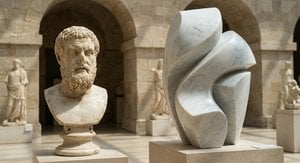
The Enduring Allure of Marble in Art History: From Classical Sculpture to Modern Abstraction
Explore the captivating history of marble sculpture from ancient Greece to modern art. Discover renowned artists like Canova & Michelangelo, carving techniques, and investment insights at ArtsDot.

Barbara Hepworth: A Sculptural Dialogue with Form, Space & the Human Condition
Explore the profound world of Barbara Hepworth's sculpture. Discover her artistic evolution, iconic forms, and lasting influence on modern art. A guide for collectors & enthusiasts.