
- Hjem

- Tryk på lærred
- james passmore smith
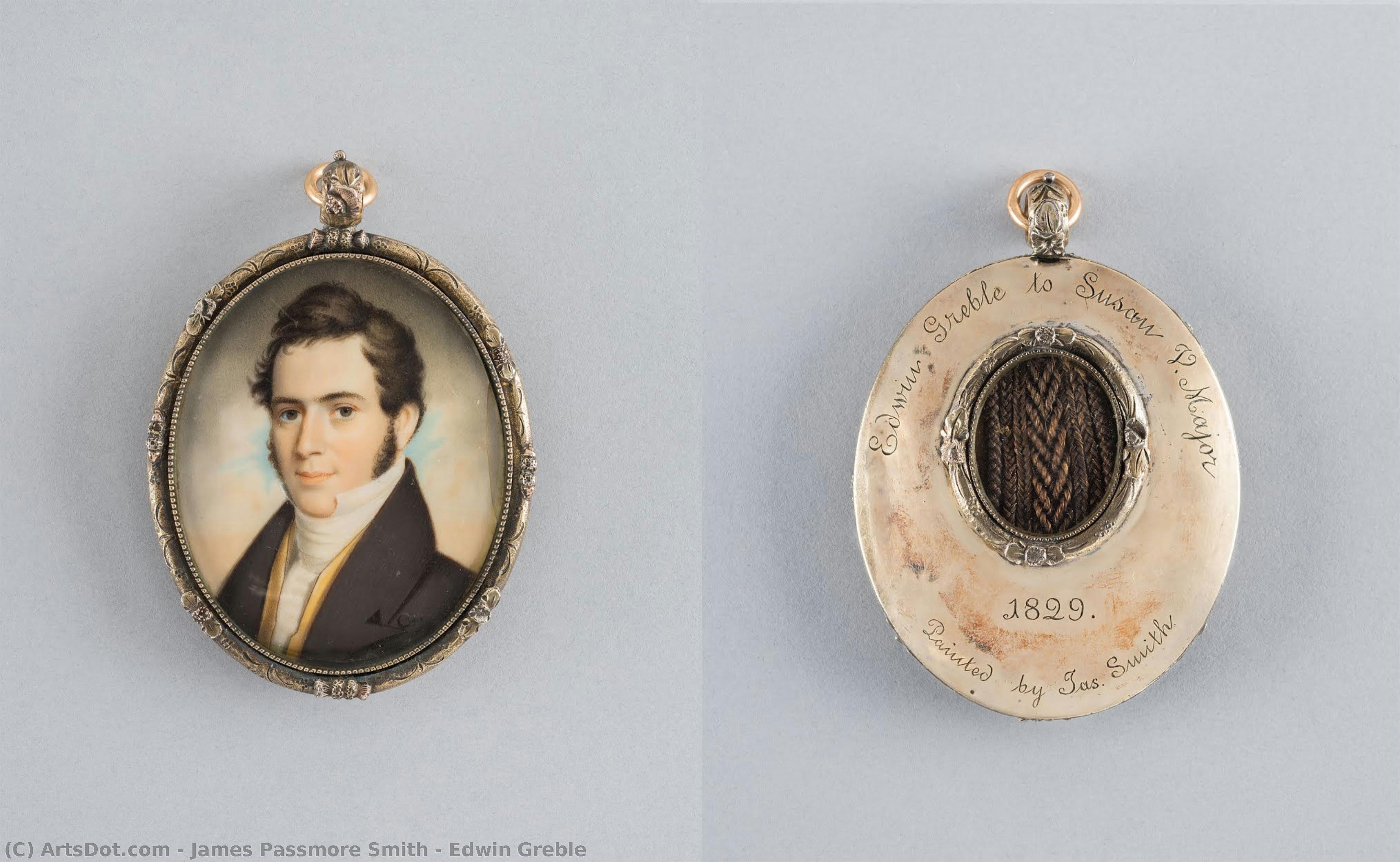
- Edwin Greble
 Bestil maleri Køb højopløseligt billede
 Del
Del
 Del
Del
 Detaljer
 Tilføj til favoritter

 Download
 Lignende værker
 Røntgenundersøgelse
 Diasshow
Edwin Greble
 1829
1829 5.0 x 4.0 cm
 Se mere
Giclée / Kunsttryk
Giclée- eller lærredstryk i museumskvalitet med hurtig produktion og fleksible muligheder for finish.




































Vælg mellem vores forudindstillede størrelser, der matcher kunstværkets originale proportioner.

Du kan indtaste dine egne mål for at passe til en specifik ramme eller et bestemt område. Hvis den valgte størrelse ikke stemmer overens med det originale billedes proportioner, vil vi enten beskære kunstværket eller udvide billedet med en spejlet eller ensfarvet kant. En digital mockup vil blive sendt til din godkendelse, før produktionen påbegyndes.
Bemærk venligst, at forhåndsvisningen på skærmen ikke afspejler den faktiske beskæring eller udvidelse. Kun mockuppen vil nøjagtigt vise den endelige komposition.
Selvom specialmål er tilgængelige, anbefaler vi at vælge et mål fra den foruddefinerede liste for at bevare de originale proportioner.
Verdensomspændende levering () på 2 uger i stedet for de sædvanlige 4/5 uger. (18 juli)

Gratis ekspresforsendelse til hele verden

Lærred af linned i høj kvalitet

Fuld transportforsikring

Garanti for refusion af told og importafgifter

Garanti for præcis farvegengivelse

60 dages returret (kun ved fabrikationsfejl)

100% Tilfredshedsgaranti

Mængderabat tilgængelig
 Glasmulighed er kun tilgængelig i størrelser under 110 cm

Edwin Greble
Giclée / Kunsttryk
Størrelse på reproduktion
-


Samlet pris
-
Beskrivelse af samlerobjektet
Lignende kunstværker


Kunstnerens biografi
James Passmore Smith: A Victorian Portraitist Rooted in African Heritage
James Passmore Smith (1803 – 1888) stands as a quietly influential figure within the landscape of Victorian portraiture, particularly recognized for his exquisite miniature paintings that captured the dignity and nuance of aristocratic subjects. Born in Salisbury, Rhodesia (now Zimbabwe), Smith’s artistic journey began amidst the burgeoning colonial ambitions of Britain, yet his creative spirit transcended geographical boundaries, establishing him as a respected artist across continents. Smith's formative years instilled within him an appreciation for detail and observation—qualities that would become hallmarks of his distinctive style. While biographical information remains somewhat sparse, evidence suggests he honed his skills initially in London’s artistic milieu before embarking on expeditions to Africa, specifically Rhodesia, where he documented the region’s flora and fauna with remarkable accuracy. This exposure to diverse environments undoubtedly broadened his visual vocabulary and informed his approach to portraiture. His artistic technique was characterized by meticulous layering of translucent glazes—a hallmark of academic painting—allowing for subtle gradations of color and capturing the ethereal quality often associated with portraits of women. Smith’s canvases possessed a remarkable luminosity, achieved through careful manipulation of light and shadow, reflecting the influence of artists like Sir Joshua Reynolds and Thomas Lawrence, masters of neoclassical portraiture who championed naturalism and psychological insight. He skillfully rendered textures—from velvet gowns to satin jackets—with astonishing precision, conveying not merely likeness but also character and emotion. Smith’s oeuvre comprises approximately 300 portraits, predominantly miniature paintings executed in watercolor and occasionally oil on ivory. These diminutive canvases are treasured for their exceptional draughtsmanship and expressive tonal range. Subjects ranged from prominent members of the British aristocracy to wealthy merchants and philanthropists—individuals who sought to commemorate their status and legacy through artistic representation. Notable commissions included portraits of Lord Salisbury (after whom the city bears his name), Edwin Greble, and numerous unnamed ladies of considerable social standing. Beyond his technical prowess, Smith’s work holds significance as one of the earliest documented depictions of African subjects in Western art. His detailed botanical illustrations—particularly those documenting Rhodesian orchids—demonstrate a commitment to scientific observation alongside artistic creativity. These images contributed to the burgeoning interest in African biodiversity during the Victorian era and stand as testament to Smith's pioneering role in bridging the gap between European artistic conventions and African cultural heritage. James Passmore Smith’s legacy resides not merely in his stunning portraits but also in his contribution to shaping perceptions of Africa within the broader context of Victorian art history.
james passmore smith
1803 - 1888 , Zimbabwe
Kort om kunstneren
- Artistic Movement Or Style: Portrait Miniature
- Date Of Birth: 1803
- Full Name: James Passmore Smith
- Nationality: American
- Notable Artworks:
- Portrait of a Lady
- Portrait of a Gentleman
- Edwin Greble
- Place Of Birth: Salisbury, Zimbabwe

