


 Se i rummet
 Send
Send Del
Del
 Detaljer
 Studieguide til kunstværker

 Download
 Lignende værker
 Røntgenundersøgelse
 Se diasshow
 Statistik
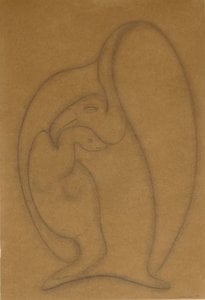
Three Generations
 Læs mere
Giclée / Kunsttryk
Giclée- eller lærredstryk i museumskvalitet med hurtig produktion og fleksible muligheder for finish. ( Bestil håndmalet reproduktion Skift til digitalt billede)




































Vælg mellem vores forudindstillede størrelser, der matcher kunstværkets originale proportioner.

Du kan indtaste dine egne mål for at passe til en specifik ramme eller et bestemt område. Hvis den valgte størrelse ikke stemmer overens med det originale billedes proportioner, vil vi enten beskære kunstværket eller udvide billedet med en spejlet eller ensfarvet kant. En digital mockup vil blive sendt til din godkendelse, før produktionen påbegyndes.
Bemærk venligst, at forhåndsvisningen på skærmen ikke afspejler den faktiske beskæring eller udvidelse. Kun mockuppen vil nøjagtigt vise den endelige komposition.
Selvom specialmål er tilgængelige, anbefaler vi at vælge et mål fra den foruddefinerede liste for at bevare de originale proportioner.
Verdensomspændende levering () på 2 uger i stedet for de sædvanlige 4/5 uger. (10 oktober)

Gratis ekspresforsendelse til hele verden

Lærred af linned i høj kvalitet

Komplet transportforsikring

Garanti for refusion af told og importafgifter

Garanti for autentisk farvegengivelse

100 dages returret ved fabrikationsfejl

100% fuld returret

Mængderabat ved flere køb
 Glasmulighed er kun tilgængelig i størrelser under 110 cm

Three Generations
Giclée / Kunsttryk
Reproduktionsstørrelse
-


Samlet pris
Dkr 405
Lignende kunstværker



Om kunstneren
A Life Forged in Wood and War
The life of Gyula Derkovits was a profound struggle between the heavy reality of manual labor and the ethereal call of artistic expression. Born in Szombathely, Hungary, his early years were defined by the scent of sawdust and the discipline of craftsmanship, as he was initially apprenticed to his father’s carpentry workshop. This foundation in physical labor would later haunt and inform the very texture of his visual language. Despite a burgeoning talent nurtured by a sign painter, Derkovical's path was diverted by the onset of World War I. He volunteered for service, a decision that left him with lasting scars: a paralyzed left hand and a debilitating lung condition. These physical hardships did not stifle his spirit but rather redirected it toward the pursuit of art through night schools and private instruction, eventually leading him to study under Károly Kernstok.
The Evolution of a Visual Language
As Derkovits navigated the turbulent political landscape of early 20th-century Hungary, his artistic style underwent a remarkable metamorphosis. His early works, shaped by his time in Budapest and later in Vienna, vibrated with the energy of Expressionism, Cubism, and Constructivism. During his years in Vienna, the influence of German expressionist painting became palpable, lending a certain raw intensity to his compositions. However, as he matured, his work moved away from purely formal experimentation toward a deeply personal and eccentric style. He began to favor tempera, utilizing it to create larger, almost monumental paintings that captured the essence of daily life with a unique blend of strict image editing and lyrical color.
Social Consciousness and Graphic Mastery
Beyond the canvas, Derkovits was a master of graphic arts, using printmaking to voice his profound social critiques. His connection to the political movements of his time—including his period of involvement with the Hungarian Communist Party—deeply permeated his subject matter. One of his most significant achievements remains his series of twelve woodcuts depicting the peasant revolt of 1514, a work that solidified his reputation through its powerful depiction of historical struggle. His graphic output often served as a biting satire of bourgeois society, utilizing sharp lines and stark contrasts to highlight the plight of the common person. Through both his monumental paintings and his intricate etchings, Derkovits left an indelible mark on Hungarian visual arts, blending social criticism with an unmistakable, individual formal language.

Gyula Derkovits
1894 - 1934 , Hungary
Hurtige fakta
- Artistic Movement Or Style: Expressionism, Cubism and Constructivism
- Artists Who Influenced This Artist: ['Károly Kernstok']
- Full Name: Gyula Derkovits
- Nationality: Hungarian
- Notable Artworks:
- The Last Supper
- Sleeping Woman
- Boat Smith
- Mother
- 1514 woodcuts
- Place Of Birth: Szombathely, Hungary
- Date Of Birth: 1894
- Date Of Death: 1934