


Billedet følger dine valg: , .
Beskrivelse af samlerobjektet
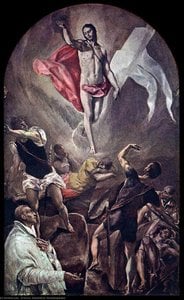
Witness the dramatic Resurrection of Christ by Gerard Seghers! This Baroque masterpiece captures the pivotal moment with vibrant colors, dynamic figures, and profound symbolism – a timeless testament to faith and hope.
 Vis mere
Kunstnerbiografi
Gerard Seghers (1591-1651) was a Flemish Baroque painter known for his Caravaggisti works, monumental genre scenes & religious altarpieces. A successful artist & dealer in Antwerp, he later embraced Rubens' influence. Explore his dramatic chiaroscuro
Håndlavet oliereproduktion
Håndmalet olie på lærred i din valgte størrelse og ramme, udført efter bestilling af vores kunstnere. ( Skift til printsalg Skift til digitalt billede)
Læs mere om dette maleri
 Se i rummet
 Del som kort
 Del
Del
 Detaljer
 Guide
Guide

 Download
 Lignende værker
 Røntgenundersøgelse
 Diasshow
 Spørgsmål og svar
 Statistikker
Bestil dit maleri i fire enkle trin
Tag dig god tid. Du kan ændre alle svar; prisen i din indkøbskurv opdateres efter hvert valg.
1 Trin et af fire
Hvilken størrelse ønsker du?
Disse størrelser bevarer det originale maleris proportioner. Tegningen viser dit valg på en væg, over en to meter lang sofa.
Eller angiv dine egne mål
Vælg mellem vores forudindstillede størrelser, der matcher kunstværkets originale proportioner.

Indtast den bredde og højde, du har brug for, så det passer til din ramme eller din væg. Da dette er håndmalet, kan kunstneren ved en anden form på størrelsen male lidt mere rundt om billedet eller skære lidt væk — det er op til dig. Vi sender dig et digitalt mockup til godkendelse, før maleriet påbegyndes. Billedet, der vises på denne side, viser ikke det endelige resultat — det er kun mockuppet, der gør.
2 Trin to ud af fire
Hvordan skal det klargøres: rullet, udstrakt eller indrammet?
Priserne nedenfor gælder for den størrelse, du valgte i trin ét.
Vælg kanterne på det opspændte lærred
Vælg din ramme

Hvid kant Dkr1

Udvasket kant Dkr1

Fortsat motiv Dkr1

P118B Dkr10

P118H Dkr10

P118W Dkr10

P438Z Dkr10

P508JH Dkr12

P508YH Dkr12

P805H Dkr10

P805Z Dkr10

P919BZ Dkr10

P919G Dkr10

P919XJ Dkr10

P959ZH Dkr10

P968JZ Dkr12

W106C Dkr8

W218G Dkr10

W218JH Dkr8

W218Y Dkr10

W307PJ Dkr10

W316G Dkr10

W316PJ Dkr8

W316Y Dkr10

W398PJ Dkr8

W4111J Dkr10

W500HY Dkr15

W500JH Dkr15

W692G Dkr12

W849H Dkr8

W940BG Dkr15

W953PJ Dkr8

H24-GOLD Dkr30

H24-SILVER Dkr30

H36-GOLD Dkr45

H36-SILVER Dkr45
Indrammet
Profil: . Samlet størrelse med ramme: .
3 Trin tre ud af fire
Ønsker du at få ændret noget i maleriet?
De fleste svarer nej. Da hvert maleri er håndlavet, kan vores kunstner også tilpasse det til dig.
Efter bestilling vil ArtsDot.com-teamet sende en e-mail til kunden for at få instruktioner og levere et udkast til forhåndsvisning
4 Trin fire ud af fire
Et par forskellige efterbehandlingsmuligheder
Alle er valgfrie. De svar, der allerede er valgt, koster ikke ekstra.
Hvem har malet det?
Verdensomspændende levering () på 3-4 uger i stedet for de standard 5 uger. (7 november). Ingen kompromiser med kvaliteten.
En navneplade, ligesom på et museum?
Detaljer om indgraveret bronzeskilt
This elegant plaque features the artist's name and the title of the artwork, finely engraved for a timeless presentation.
It is made from bronze with a refined, elegant finish. The text is precisely laser-engraved for a sharp and permanent result. Measuring 9x2 cm, the plaque is compact yet easy to read. It's built to be durable and scratch-resistant, offering a professional, museum-quality look. Mounting is simple thanks to the included adhesive backing.
Detaljer om gennemsigtig akrylplade
The plaque includes essential engraved details such as the artist's name, the title of the artwork, the date it was created, the type of media used-like oil on canvas or watercolor-a brief description of the piece, and a QR code that links to the complete artwork information.
It is crafted from clear acrylic, offering a sleek, modern appearance. The text is UV-engraved in black to ensure strong visual contrast. With a size of 10x15 cm, it ensures optimal readability. It comes equipped with two metal hooks for secure wall mounting. The plaque is designed to be weather-resistant, making it suitable for various environments, and it includes interactive features that work seamlessly with smartphone scanning.
Detaljer om sort akrylplade
This elegant plaque includes engraved information such as the artist's name, the title of the artwork, the date it was created, the type of media used (like oil on canvas or watercolor), a short description of the artwork, and a QR code for quick access to more information.
The plaque itself is made from refined black acrylic with a premium finish. The text is laser-engraved in white for high contrast and readability. Its size is 10x15 cm, designed to be easy to read. It comes with two metal hooks for professional mounting. The design is sleek and fits any interior style. It is also weather-resistant and durable, with built-in digital integration for mobile compatibility.
En beskyttende lak?
Hvornår skal det leveres?
✓ Tjek og bestil
Dit maleri, præcis som du har bestilt det

LA RESURRECTION DU CHRIST
Reproduktionsmetode
Størrelse på reproduktion
-

Eksklusivt udvalgte senior-kunstnere
Mere detaljerigdom, finesse og ekstra produktionstid
-

Indramning af reproduktion
-
-
For kunstværker eller reproduktioner, der er større end 105 cm (ca. 41 tommer) på en hvilken som helst side, vil rammen blive leveret som et adskilt sæt. Denne metode sikrer sikker levering og forhindrer skader under transport.
Professionel montering er påkrævet – dette er ikke et gør-det-selv produkt.
Sættet skal samles, og lærredet skal opspændes af en erfaren professionel indrammer ved brug af trælim (ikke medfølger), en lærredsspænder og klemmer til at holde blindrammen vinkelret, mens limen tørrer. Forkert samling eller ujævn spænding af lærredet kan beskadige kunstværket permanent og er ikke dækket af vores garanti.
 For kunstværker eller reproduktioner, der er større end 105 cm (ca. 41 tommer) på en hvilken som helst side, vil rammen blive leveret som et adskilt sæt. Denne metode sikrer sikker levering og forhindrer skader under transport.
Alle massive trælister er inkluderet, præcist tilpasset i størrelsen.
Samles med de medfølgende skruer samt trælim til hjørneforbindelserne, som ikke medfølger og skal anskaffes af din indrammer.
Professionelt værktøj er påkrævet og medfølger ikke: en lærredsstrækker (spændetang) og klemmer til at holde blindrammen vinkelret, mens limen tørrer.
Vigtigt:
Hjørneforbindelserne kræver trælim, listerne skal holdes fast med skruetvinger, indtil limen er helt tør, og opspænding af lærredet på den samlede ramme kræver en lærredsspænder. Ingen af disse dele er inkluderet i sættet. Vi anbefaler, at du kontakter en erfaren professionel indrammer, før du bestiller denne størrelse.

Navneskilt
-
-

Beskyttende fernis
Blank lak (fremhæver farverne og beskytter mod lys og fugt)
-

Tilpas mit kunstværk
Eksempler på tilpasningsmuligheder: Udskift ansigt med kunde-foto; Tilføj kæledyr (f.eks. udskift kat med hund); Inkluder skjult besked i baggrunden; Ændr baggrundslandskab eller elementer.
-

Hurtig levering
Verdensomspændende levering () på 3-4 uger i stedet for de standard 5 uger. (7 november). Ingen kompromiser med kvaliteten.
-
Ekspreslevering
Verdensomspændende levering til inden for 5 uger. (14 november).
Inkluderet
Samlet pris
Dkr 3594
Glasmulighed er kun tilgængelig i størrelser under 110 cm
Inkluderet i hver ordre
- Gratis ekspresforsendelse til hele verden
- Lærred af linned i høj kvalitet
- Fuld transportforsikring
- Garanti for refusion af told og importafgifter
- Garanti for præcis farvegengivelse
- 100 dages returret ved fabrikationsfejl
- 100% fuld returret
- Mængderabat ved flere køb


The Resurrection of Christ – A Baroque Masterpiece by Gerard Seghers
Gerard Seghers’s “La Résurrection du Christ” is not merely a depiction of a biblical event; it's a visceral embodiment of faith, triumph, and divine grace. Painted in the early 17th century during a period of intense religious fervor within the Flemish Baroque movement, this monumental work transcends its historical context to resonate powerfully with viewers today. Seghers, deeply influenced by the dramatic innovations of Caravaggio, masterfully employs light, color, and dynamic composition to convey the profound spiritual significance of Christ’s resurrection – a moment that fundamentally reshaped Christian belief.
The painting immediately commands attention through its sheer scale and theatrical intensity. Centered within a pyramidal structure, Christ ascends from an open tomb, his figure bathed in a radiant light that seems to emanate directly from the heavens. This isn’t a gentle, serene ascension; it's a forceful surge upwards, conveying both physical movement and spiritual elevation. The composition is deliberately crowded, teeming with figures – angels bearing banners adorned with crosses, grieving women, and onlookers rendered in varying states of awe and disbelief. Seghers skillfully uses overlapping forms and dramatic foreshortening to create a sense of depth and immediacy, pulling the viewer directly into the heart of the scene.
A Symphony of Color and Light – Baroque Techniques
Seghers’s mastery lies in his command of color and light—elements central to the Baroque aesthetic. He employs a rich, saturated palette dominated by deep reds, earthy browns, and shimmering golds, evoking both earthly passion and divine splendor. The stark contrasts between light and shadow, or *chiaroscuro*, are particularly striking, highlighting Christ’s luminous form while simultaneously casting dramatic shadows across the surrounding figures. This technique not only adds depth and volume but also imbues the scene with a palpable sense of drama and emotional intensity. Notice how the golden hues of the angels' garments contrast sharply with the somber tones of the tomb, further emphasizing Christ’s victory over death.
The artist’s brushwork is deliberately visible, contributing to the painting’s textured surface and conveying a sense of immediacy and energy. Layers of paint are applied in broad strokes, creating a dynamic interplay between smooth areas and rougher textures – particularly evident in the drapery and the stone of the tomb. This technique, characteristic of Baroque art, adds a layer of physicality to the scene, making it feel both monumental and intensely human.
Symbolism and Spiritual Resonance
Beyond its visual drama, “La Résurrection du Christ” is laden with symbolic meaning. The flag bearing the cross is a potent emblem of Christian faith, representing the sacrifice and resurrection of Jesus. The angels, depicted as messengers of divine grace, symbolize God’s intervention in human affairs. The expressions on the faces of the onlookers – ranging from profound grief to ecstatic joy – reflect the diverse range of emotions evoked by this pivotal event. The inclusion of the grieving women, traditionally Mary Magdalene and Mary at the tomb, underscores the personal impact of Christ's resurrection on humanity.
Interestingly, the painting’s roots lie in a complex interplay of artistic influences. Seghers was deeply influenced by Caravaggio’s dramatic use of light and shadow, as well as Bartolomeo Manfredi, another prominent Caravaggisti painter. However, Seghers developed his own distinctive style, characterized by a greater emphasis on composition and a more refined handling of color. The painting's historical context is also significant; it was created during a period of intense religious debate and reform within the Catholic Church, reflecting the era’s fervent spiritual atmosphere.
A Legacy of Dramatic Faith
“La Résurrection du Christ” stands as a testament to Gerard Seghers’s artistic genius and his profound understanding of Christian iconography. It's more than just a historical depiction; it’s an emotionally charged meditation on faith, sacrifice, and the promise of eternal life. The painting continues to captivate viewers with its dramatic intensity, masterful technique, and enduring symbolism – a powerful reminder of the transformative power of Christ’s resurrection.
Spørgsmål og svar
Hvad er årsagen til ophavsretsstatus for "LA RESURRECTION DU CHRIST" af Gerard Seghers?
"LA RESURRECTION DU CHRIST" af Gerard Seghers er i det offentlige domæne – ophavsretten er udløbet. Ophavsretten beregnes ud fra kunstnerens dødsår, og Gerard Seghers døde i 1651.
Hvor lys eller mørk fremstår "LA RESURRECTION DU CHRIST" af Gerard Seghers?
Overordnet set er "LA RESURRECTION DU CHRIST" registreret som shadow. Den oplevede lysstyrke beskriver, hvor lyst eller mørkt værket fremstår.
Hvilken fase af Gerard Segherss kunstneriske udvikling repræsenterer "LA RESURRECTION DU CHRIST"?
"LA RESURRECTION DU CHRIST" repræsenterer Gerard Segherss Late Period.
Lignende kunstværker




Gerard Seghers
1591 - 1651, Belgium
Kunstnerbiografi
Gerard Seghers: A Caravaggisti Pioneer of Flanders
Gerard Seghers, born in Antwerp in 1591 and tragically passing away in 1651, stands as a pivotal figure bridging the dynamic transition between the High Renaissance and the Baroque periods within Flemish art. More than simply a painter, he was an astute art collector, shrewd dealer, and a key representative of the Caravaggisti movement – artists deeply influenced by the dramatic style pioneered by Michelangelo Merisi da Caravaggio. His journey took him from the relative stability of Antwerp to the vibrant, challenging environment of Rome and Spain, ultimately shaping his distinctive artistic voice and leaving behind a legacy of powerful religious scenes, evocative genre paintings, and monumental altarpieces that continue to captivate viewers today.Early Life and Artistic Training
Seghers’s early life remains shrouded in some mystery, though we know he was the son of an innkeeper, Jan Seghers, and Ida de Neve. Remarkably, there's little evidence suggesting a direct familial connection to Daniel Seghers, the renowned Jesuit painter specializing in still lifes – a distinction that adds another layer of intrigue to his story. At the tender age of twelve, he enrolled as a pupil within the prestigious Guild of Saint Luke in Antwerp, an institution crucial for training aspiring artists. The identity of his initial teacher remains uncertain, with speculation pointing towards figures like Abraham Janssens, Hendrick van Balen, or Caspar de Crayer (the father of Gaspar de Crayer). This early period was foundational, providing him with the technical skills and artistic principles necessary to embark on his ambitious career.Rome and the Caravaggisti Influence
In 1608, at just seventeen years old, Seghers achieved master status within the Antwerp Guild, a remarkable accomplishment for someone so young. However, his true artistic development began with a pivotal journey to Italy around 1611. This period in Rome proved transformative, exposing him directly to the fervent followers of Caravaggio – artists who had themselves been deeply affected by the revolutionary style of the Italian master. Among these disciples was Bartolomeo Manfredi, whose dramatic use of light and shadow profoundly impacted Seghers’s early work. He immersed himself in their techniques, studying their compositions and absorbing their intense emotionalism. He also encountered other prominent Caravaggisti residing in Rome, including Gerard van Honthorst, Dirck van Baburen, and Jan Janssens, broadening his artistic horizons and solidifying his commitment to the Caravagist aesthetic.Return to Flanders and a Shift in Style
Returning to Antwerp around 1620, Seghers initially continued to produce works firmly rooted in the Caravaggisti style – characterized by tenebrism (extreme contrasts between light and dark), dynamic compositions, and a focus on realistic depictions of human emotion. However, as his career progressed, he gradually moved away from this purely Caravagist approach. He began to incorporate elements of Peter Paul Rubens’s distinctive style—a master painter who had profoundly influenced the artistic landscape of Antwerp—resulting in a more refined and polished aesthetic. This shift is particularly evident in his later altarpieces for local churches, where he created monumental works imbued with grandeur and emotional depth while retaining a sense of dramatic realism.Major Works and Legacy
Seghers’s artistic output spanned a diverse range of subjects. His paintings are renowned for their powerful depictions of religious scenes, such as “Christ and the Penitent Sinners” (c. 1640-1651), which vividly portrays the suffering of Christ alongside his followers, showcasing his mastery of dramatic lighting and emotional intensity. “The Denial of St. Peter” exemplifies his ability to capture intense human drama through carefully rendered figures and a masterful use of chiaroscuro. “Saint Eloi au pied de la Vierge” demonstrates his skill in portraying religious iconography with both spiritual depth and artistic beauty. Beyond these iconic works, Seghers produced numerous genre scenes—depictions of everyday life—and contributed significantly to the decoration of important civic events, including the lavish celebrations surrounding Cardinal-Infante Ferdinand’s entry into Ghent in 1635. His legacy extends beyond his individual paintings; he was a respected art dealer and collector, contributing to the vibrant artistic culture of Antwerp during a period of significant change. Gerard Seghers remains a compelling figure—a testament to the dynamic interplay between artistic influences, personal evolution, and the enduring power of Baroque painting.Relaterede artikler

Barokkens Mestre: Top 10 Kunstværker der Definerede en Æra | ArtsDot.dk
Oplev barokkens storhed! Dyk ned i 10 ikoniske kunstværker af Caravaggio, Rembrandt & Vermeer. Lær historierne bag mesterværkerne og find inspiration til din indretning med museumskvalitets reproduktioner på ArtsDot.com

The Dramatic Flourish: Exploring the Baroque Movement's Enduring Legacy in Art History
Explore the dramatic world of Baroque art! Discover iconic artists like Caravaggio & Rubens, defining techniques, and its lasting impact on art history. Expert insights for collectors & enthusiasts at ArtsDot.

The Visceral Stage: Exploring Dramatic Narratives & Emotional Intensity in Baroque Art
Explore the dramatic world of Baroque art! Discover iconic masters like Caravaggio & Rembrandt, their techniques, and the movement's lasting impact. Expert insights for collectors & enthusiasts at ArtsDot.