


 Se i rummet
 Send
Send Del
Del
 Detaljer
 Studieguide til kunstværker

 Download
 Lignende værker
 Røntgenundersøgelse
 Se diasshow
 Statistik
Interrogation
 Oil On Canvas
- WallArt
- Expressionist Satire
 1938
1938- Modern
 46.0 x 59.0 cm
 Ben Uri Gallery and Museum
 Læs mere
Kunstværket vist på denne side er beskyttet af ophavsretsloven, hvilket betyder, at vi ikke lovligt kan skabe eller sælge en identisk reproduktion. Denne beskyttelse håndhæves i henhold til internationale aftaler som f.eks. den Bernerkonventionen og af nationale love, herunder de bestemmelser, der er fastlagt i Amerikansk ophavsretslov - Titel 17.
Som et respektfuldt og lovligt alternativ tilbyder vi skræddersyede, håndmalede kunstværker inspireret af originalen. Vores dygtige og professionelle kunstnere studerer omhyggeligt originalens stil, stemning og kunstneriske essens for at skabe et nyt, unikt værk, der fremkalder den samme følelse – samtidig med at det forbliver en original skabelse i egen ret.
Denne metode overholder fuldt ud ophavsretsreglerne, da den ikke indebærer kopiering eller duplikering af det beskyttede kunstværk. I stedet er der tale om en kreativ nytolkning – et nyt maleri, som er inspireret af det oprindelige, men ikke identisk med det.
Håndlavet oliereproduktion
Håndmalet olie på lærred i din valgte størrelse og ramme, udført efter bestilling af vores kunstnere. ( Skift til printversion Skift til digitalt billede)




P118B Dkr10

P118H Dkr10

P118W Dkr10

P438Z Dkr10

P508JH Dkr12

P508YH Dkr12

P805H Dkr10

P805Z Dkr10

P919BZ Dkr10

P919G Dkr10

P919XJ Dkr10

P959ZH Dkr10

P968JZ Dkr12

W106C Dkr8

W218G Dkr10

W218JH Dkr8

W218Y Dkr10

W307PJ Dkr10

W316G Dkr10

W316PJ Dkr8

W316Y Dkr10

W398PJ Dkr8

W4111J Dkr10

W500HY Dkr15

W500JH Dkr15

W692G Dkr12

W849H Dkr8

W940BG Dkr15

W953PJ Dkr8




Vælg mellem vores forudindstillede størrelser, der matcher kunstværkets originale proportioner.

Type the width and the height you need, to fit your frame or your wall. This is hand-painted, so for a size with a different shape the artist can paint a bit more around the picture, or cut a bit — you choose. We send you a digital mockup to approve before the painting starts. The picture shown on this page does not show the real result — only the mockup does.
Efter bestilling vil ArtsDot.com team sende en e-mail til kunden for at indhente instruktioner og fremsende et udkast til gennemgang.
Levering i hele verden () på 3-4 uger i stedet for de standard 5 uger. (14 oktober). Ingen kompromiser med kvaliteten.

Gratis ekspresforsendelse til hele verden

Lærred af linned i høj kvalitet

Komplet transportforsikring

Garanti for refusion af told og importafgifter

Garanti for autentisk farvegengivelse

100 dages returret ved fabrikationsfejl

100% fuld returret

Mængderabat ved flere køb
 Glasmulighed er kun tilgængelig i størrelser under 110 cm

Interrogation
Reproduktionsmateriale
Reproduktionsstørrelse
-


Samlet pris
Dkr 1704
A Visceral Encounter with Shadows
In the haunting depths of George Grosz’s 1938 masterpiece, Interrogation, the viewer is not merely an observer but a silent witness to a moment of profound psychological and physical violation. The painting presents a scene of stark, unsettling tension: three men are locked in a grim confrontation within a room that feels heavy with the scent of dread. At the center of this drama, a man sits with his hands bound behind his back, his very posture a testament to vulnerability and resistance. Surrounding him, the figures of his interrogators loom, their presence injecting a palpable sense of menace into the composition. The room itself tells a story of recent violence; bloodstains mar the floor and walls, suggesting that the interrogation is but one chapter in a larger cycle of brutality. This is not a static portrait, but a living, breathing fragment of a much darker narrative, capturing the precise second where tension threatens to erupt into tragedy.
To gaze upon this work is to experience the raw power of Brutal Realism infused with the jagged, emotive distortions of Expressionism. Grosz, a master of dissecting the societal rot of his era, eschews the polished aesthetics of traditional academic art in favor of a more visceral truth. His technique relies on sharp, angular lines and a deliberate use of light and shadow to amplify the dramatic conflict. The artist utilizes oil on canvas to create a surface that feels almost tactile; one can sense the weight of the textures as they depict the grim reality of the setting. The stark contrasts do not merely illuminate the subjects but serve to carve them out of the darkness, emphasizing the psychological torment etched into their features and the cold, unforcketing atmosphere of the room.
The Echoes of a Crumbling Republic
To understand the profound emotional impact of Interrogation, one must look toward the turbulent landscape of late Weimar Germany. Created in 1938, as the shadows of fascism were lengthening across Europe, the painting serves as a chilling reflection of the political polarization and systemic violence that defined the era. Grosz, a prominent figure in the Berlin Dada and New Objectivity movements, used his brush as a weapon to indict the moral decay of his time. This specific work carries deep personal and historical resonance, referencing the persecution and even the murder of figures like the anarchist Erich Mühsam. The painting captures the pervasive disillusionment of an intellectual class caught between the collapse of democracy and the rise of an oppressive new order.
For the discerning collector or interior designer, Interrogation offers more than just a striking visual; it provides a profound conversation piece that explores themes of power, justice, and human resilience. As a high-quality reproduction, this piece brings a sophisticated, intellectual gravity to any space, whether it be a private study, a gallery, or a curated contemporary living area. It is an artwork for those who appreciate the capacity of fine art to confront uncomfortable truths and to find beauty in the unflinching examination of the human condition. Owning such a work is an invitation to engage with history, to contemplate the fragility of peace, and to celebrate the enduring power of the artist's voice against the tide of silence.
Spørgsmål & svar
I hvilket år blev "Interrogation" af George Grosz skabt?
"Interrogation" af George Grosz er skabt i 1938.
Hvordan finder jeg kunstværker, der minder om "Interrogation" af George Grosz?
Værker, der ligner "Interrogation" af George Grosz, er samlet på værkets Lignende værker-side.
Hvilken stemning bringer "Interrogation" af George Grosz til et interiør?
Den Dramatic atmosfære i "Interrogation" af George Grosz passer perfekt til det anbefalede rum: et Living Room.
Lignende kunstværker


Om kunstneren
A Satirist of Shattered Worlds: The Life and Art of George Grosz
George Grosz, født Georg Ehrenfried Groß i Berlin i 1893, var en afgørende visuel skildrer af samfundets forfald og politisk uro. Hans kunst var ikke blot *af* sin tid – den turbulente Weimarrepublik og fascismens fremkomst – men et visceral respons på den, en rasende fordømmelse udtrykt i skarpe linjer og groteske karikaturer. Grosz skildrede ikke blot Berlin; han afdækkede det, afslørede dets moralske forråderi med ubarmhjertig ærlighed. De tidlige år af hans liv var præget af ustabilitet efter sin fars død, en begivenhed der drev hans mor ind i at administrere et officers’ mess, og dermed placerede den unge Georg midt i en verden af preussisk militarisme og stive sociale hierarkier – en verden han senere utrætteligt satiriserede. Hans formelle kunstneriske uddannelse begyndte med omhyggelige kopier af traditionelle hollandske mestre som Eduard von Grützner, hvorved han skar teknisk dygtighed, før han forlod akademiske konventioner til en langt mere provokerende vej. Denne tidlige disciplin gav dog grundlaget for hans unikt udtryksfulde stil at blive bygget på.Dada, New Objectivity, og Fødslen af et Kritisk Syn
Grosz’s kunstneriske udvikling var uløseligt forbundet med de avantgarde bevægelser, der blomstrede i det post-krigstidige Tyskland. Han blev en central figur i Berlin Dada, omfavnede dens nihilistiske ånd og anti-establishment fervor. I modsætning til nogle af hans Dadaistiske samtidige, der glædede sig over ren absurditet, kanaliserede Grosz Dada’s rebelske energi ind i målrettet social kommentar. Hans værker fra denne periode – stykker som *The Pit* (1921) og *The Pillars of Society* (1926) – er brændende fordømmelser af den tyske borgelighed, det militære elite og det korrupte politiske system, der førte nationen til katastrofe. Han var ikke interesseret i æstetisk skønhed; han søgte at chokere, provokere og afsløre hykleri. Denne forpligtelse til social kritik udviklede sig til hans deltagelse i *Neue Sachlichkeit* (New Objectivity), en bevægelse karakteriseret ved dens realistiske, men usentimentale skildring af nutidens liv. Mens han delte New Objectivtys fokus på realisme, indførte Grosz det med sin unikt skarpe satire, der adskilte ham fra andre kunstnere, der var associeret med gruppen. Hans malerier og tegninger var ikke blot repræsentationer af virkeligheden; de var forvrængede refleksioner af et samfund på randen af kollaps.Exil og Transformation: En Ny Verden, en Skiftende Stil
Den stigende nazisme tvang Grosz til eksil i 1933. Han fandt tilflugt i USA, hvor han blev naturaliseret borger i 1938. Denne flytning markerede et betydeligt vendepunkt i hans kunstneriske karriere. Fjernt fra den kontekst, der drev hans mest kraftfulde arbejde, og konfronteret med en anden type sociale og politiske realiteter, begyndte Grosz’s stil at skifte. De åbenlyst aggressive karikaturer gav plads til mere dæmpede landskaber og portrætter, ofte præget af en følelse af melankoli og disillusionment. Selvom han fortsatte med at udstille og undervise på Art Students’ League i New York, manglede hans arbejde den rå intensitet fra hans Berlin-periode. Han kæmpede for at finde sin fodfæste i et nyt miljø, konfronteret med følelser af fremmedgørelse og kunstnerisk usikkerhed. De apokalyptiske visioner, der opstod i denne periode – malerier, der skildrede ødelagte landskaber og fragmenterede figurer – afspejlede ikke kun de horrors, der udspillede sig i Europa, men også hans egen indre uro.Arv og Betydende Relevans
George Grosz vendte tilbage til Berlin i 1959, kort før sin død, en hjerteskærende tilbagevenden til den by, der både havde inspireret og forfulgt ham. Hans arv strækker sig langt ud over den historiske kontekst af Weimar-Tyskland. Han er et stærkt eksempel på en kunstner, der dristigt konfronterede ubehagelige sandheder og udfordrede samfundets normer. Hans kunst tjener som en advarsel om farene ved politisk ekstremisme, social uretfærdighed og ukontrolleret magt.- Satirisk Magt: Grosz’s mesterlige brug af karikatur fortsætter med at inspirere kunstnere og kommentatorer i dag.
- Social Kommentar: Hans ubarmhjertige kritik af samfundets lidelser forbliver bemærkelsesværdigt relevant i en verden, der stadig kæmper med ulighed, korruption og politisk polarisering.
- Historisk Vidne: Hans kunst giver værdifuld indsigt i den sociale og politiske atmosfære i det interwar Tyskland, hvilket giver en visceral forståelse af de kræfter, der førte til 2. verdenskrig.

George Grosz
1893 - 1959 , Tyskland
Hurtige fakta
- Artistic Movement Or Style: Dada, New Objectivitet
- Artists Or Movements Influenced By This Artist: ['Otto Dix']
- Date Of Birth: 26. juli 1893
- Date Of Death: 6. juli 1959
- Full Name: George Grosz
- Nationality: Tysk
- Notable Artworks:
- The Pit
- Pillars af Samfundet
- Place Of Birth: Berlin, Tyskland
Relaterede artikler

The Sharpest Wit: A Historical Exploration of Satire in Visual Culture
Explore the history of satire in art! From ancient masters like Aristophanes to Goya & Grosz, discover how artists use wit and critique to reflect—and challenge—society. Expert insights at ArtsDot.
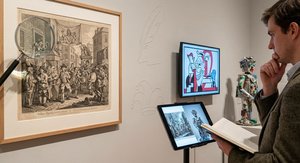
The Sharpest Wit: A Critical Exploration of Satire in Art History – From Hogarth to Contemporary Critique
Explore the history of satire in art! From Hogarth's London to contemporary critique, discover how artists use wit & visual power to reflect and challenge society. Expert insights at ArtsDot.

Staatliche Museens Top 25 Kunstværker: Berlin's Skatte – Historie, Kunst & Inspiration til Dit Hjem
Oplev Staatliche Museens 25 mest ikoniske kunstværker i Berlin! Fra Nefertiti til mesterværker af Schinkel – dyk ned i tysk kunsthistorie, stilarter & farver. Find inspiration og køb museumskvalitets reproduktioner på ArtsDot.com.
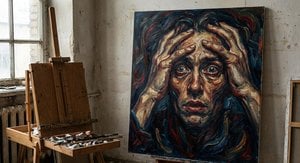
Figurative Expressionism: Emotional Intensity & Subjective Reality in 20th-Century Art
Explore the powerful world of Figurative Expressionism with ArtsDot. Discover key artists like Kirchner & Beckmann, understand its emotional depth, and learn how to collect this influential 20th-century art movement.

De 10 mest dramatiske kunstværker: Historier, kunstnere & inspiration til dit hjem | ArtsDot.dk
Oplev de 10 mest dramatiske kunstværker fra Munch, Caravaggio & Rembrandt. Historier bag ikoniske malerier, stærke farver og følelser. Find inspiration til dit hjem – køb museumskvalitets kunsttryk på ArtsDot.com.


