

 Se i fuld skala
 Del
Del Del
Del
 Detaljer

 Download
 Lignende værker
 Røntgenundersøgelse
 Diasshow
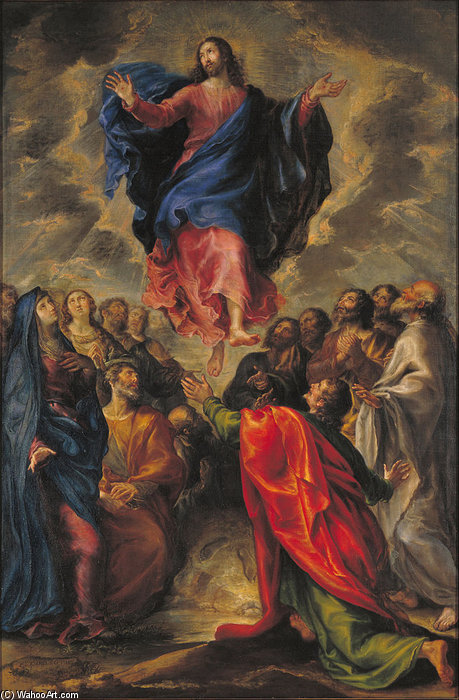
Ascension
 Se mere
Håndlavet oliereproduktion
Håndmalet olie på lærred i din valgte størrelse og ramme, udført efter bestilling af vores kunstnere. ( Køb print Køb billede)




































Vælg mellem vores forudindstillede størrelser, der matcher kunstværkets originale proportioner.

Du kan indtaste dine egne mål for at passe til en bestemt ramme eller plads. Hvis den valgte størrelse ikke stemmer overens med det originale billedes proportioner, vil vi enten beskære kunstværket eller udvide maleriet med yderligere håndmalede elementer. En digital skitse sendes til din godkendelse, før produktionen påbegyndes.
Bemærk venligst, at forhåndsvisningen på skærmen ikke afspejler den faktiske beskæring eller udvidelse. Kun skitsen vil nøjagtigt vise den endelige komposition.
Selvom specialmål er mulige, anbefaler vi at vælge en dimension fra den foruddefinerede liste for at bevare de originale proportioner.
Efter bestilling vil ArtsDot.com team sende en e-mail til kunden for at få instruktioner og levere et udkast til en skitse.
Levering i hele verden () på 3/4 uger i stedet for de standard 5 uger. (13 august). Ingen kompromiser med kvaliteten.

Gratis ekspresforsendelse til hele verden

Lærred af linned i høj kvalitet

Fuld transportforsikring

Garanti for refusion af told og importafgifter

Garanti for præcis farvegengivelse

60 dages returret (kun ved fabrikationsfejl)

100% Tilfredshedsgaranti

Mængderabat tilgængelig
 Glasmulighed er kun tilgængelig i størrelser under 110 cm

Ascension
Reproduktionsmetode
Størrelse på reproduktion
-


Samlet pris
$ 263
Kunstnerens biografi
Francisco Camilo (1615 – 1673): A Florentine Soul Embraced by Spanish Baroque
Francisco Camilo, born in Madrid in 1615, represents a fascinating intersection of artistic influences—a testament to the dynamism of the Spanish Baroque period. His father, Domenico Camilo, was an Italian painter who had established himself in Madrid, bringing with him traditions rooted in Florentine Mannerism and humanist ideals. This heritage profoundly shaped Camilo’s artistic vision, fostering a meticulous attention to detail and a profound understanding of anatomy and perspective.
- Early Training & Patronage: Camilo received his formative education under the tutelage of Pedro de las Cuevas, a celebrated Madrid painter who instilled in him the principles of academic painting. This mentorship proved invaluable, equipping Camilo with the technical skills necessary to excel in the demanding artistic landscape of his time.
- The Jesuit Influence: A pivotal moment arrived when Camilo was commissioned to decorate the high altar of the Jesuits’ house at Madrid—a project that exposed him to the spiritual fervor and stylistic innovations characteristic of Jesuit art. The resulting image, depicting Saint Francis Borgia, exemplifies the Baroque preoccupation with dramatic composition and emotive expression.
- Royal Commissions & Artistic Flourishing: Camilo's reputation quickly ascended as he secured prestigious commissions from the Count-Duke of Olivares—the dominant figure in Spanish politics during his era. Among these were a series of portraits of Spanish monarchs, showcasing Camilo’s mastery of portraiture and his ability to convey regal dignity and authority.
- The Theater of Buenretiro & Ovids Metamorphoses: Perhaps Camilo's most ambitious undertaking was the decoration of the western gallery of the Palace of Buenretiro—a monumental project featuring fourteen frescoes based on Ovid’s *Metamorphoses*. These canvases demonstrate Camilo’s artistic prowess and his willingness to tackle complex narratives with imaginative storytelling.
- Religious Devotion & Artistic Legacy: Primarily focused on religious commissions, Camilo adorned monasteries throughout Spain – Toledo, Alcalá, Segovia – enriching their interiors with serene depictions of biblical scenes and saints. He collaborated closely with sculptor Manuel Pereira, contributing to the sculptural embellishments of royal palaces. Francisco Camilo’s enduring legacy resides in his contribution to Spanish Baroque art, securing him a place among the foremost painters of his generation.
Although Camilo's work has faded somewhat from public awareness, scholars recognize his importance as a conduit for humanist ideals and artistic innovation. His meticulous technique—characterized by precise observation and skillful rendering—continues to inspire admiration and serves as a reminder of the splendor of Spanish Baroque art.

Francisco Camilo
1615 - 1673 , Spain
Kort om kunstneren
- Artistic Movement Or Style: Baroque
- Artists Or Movements Influenced By This Artist: ['Ovid']
- Artists Who Influenced This Artist: ['Pedro de las Cuevas']
- Date Of Birth: Madrid, Spain (1615)
- Date Of Death: 1673
- Full Name: Francisco Camilo
- Nationality: Spanish
- Notable Artworks:
- St Thomas Of Villanueva
- The Holy Family
- Place Of Birth: Madrid

