


 Se i fuld skala
 Del
Del Del
Del
 Detaljer

 Download
 Lignende værker
 Røntgenundersøgelse
 Diasshow
 Statistik
Putti Playing

 Se mere
Håndlavet oliereproduktion
Håndmalet olie på lærred i din valgte størrelse og ramme, udført efter bestilling af vores kunstnere. ( Skift til print Skift til digitalt billede)




































Vælg mellem vores forudindstillede størrelser, der matcher kunstværkets originale proportioner.

Du kan indtaste dine egne mål for at passe til en bestemt ramme eller plads. Hvis den valgte størrelse ikke stemmer overens med det originale billedes proportioner, vil vi enten beskære kunstværket eller udvide maleriet med yderligere håndmalede elementer. En digital skitse sendes til din godkendelse, før produktionen påbegyndes.
Bemærk venligst, at forhåndsvisningen på skærmen ikke afspejler den faktiske beskæring eller udvidelse. Kun skitsen vil nøjagtigt vise den endelige komposition.
Selvom specialmål er mulige, anbefaler vi at vælge en dimension fra den foruddefinerede liste for at bevare de originale proportioner.
Efter bestilling vil ArtsDot.com team sende en e-mail til kunden for at få instruktioner og levere et udkast til en skitse.
Levering i hele verden () på 3/4 uger i stedet for de standard 5 uger. (10 september). Ingen kompromiser med kvaliteten.

Gratis ekspresforsendelse til hele verden

Lærred af linned i høj kvalitet

Fuld transportforsikring

Garanti for refusion af told og importafgifter

Garanti for præcis farvegengivelse

100 dages returret (kun ved fejl og mangler)

100% Tilfredshedsgaranti

Mængderabat tilgængelig
 Glasmulighed er kun tilgængelig i størrelser under 110 cm

Putti Playing
Reproduktionsmetode
Størrelse på reproduktion
-


Samlet pris
$ 263
Lignende kunstværker


Kunstnerens biografi
Giambettino Cignaroli: Verona’s Rococo Master
Born in Verona on July 4th, 1706, Giambettino Cignaroli emerged as a pivotal figure in the artistic landscape of 18th-century Italy. His life and career were inextricably linked to his birthplace, where he not only established himself as the city’s leading painter but also played a crucial role in fostering its burgeoning art academy. Cignaroli's work represents a fascinating synthesis of classical ideals and Rococo sensibilities, reflecting both the artistic traditions of his predecessors and the evolving tastes of European courts.
Cignaroli’s early training is believed to have been under Antonio Balestra, a prominent artist who championed the Neoclassical style. However, Cignaroli quickly developed his own distinctive voice, characterized by an elegant and refined approach that embraced the dynamism and decorative qualities of the Rococo movement. Unlike the rigid formality often associated with Neoclassicism, Cignaroli’s paintings are imbued with a sense of liveliness and theatricality. His compositions frequently feature dynamic poses, expressive gestures, and vibrant color palettes – hallmarks of the era.
- Religious Scenes: Cignaroli is most celebrated for his depictions of religious subjects. He skillfully rendered scenes from the Bible and lives of saints, imbuing them with a profound sense of spirituality and emotional depth.
- Heroic History Paintings: Alongside his religious works, Cignaroli produced a series of history paintings that showcased his technical prowess and narrative abilities. These works often depicted moments of triumph or tragedy, reflecting the grand narratives of European history.
- Decorative Works: Cignaroli’s talent extended beyond large-scale canvases; he was also commissioned to create decorative panels and frescoes for private residences and public spaces, demonstrating his versatility as an artist.
A Journey Through Italy and Beyond
In the 1730s and 40s, Cignaroli embarked on extensive travels throughout Italy, immersing himself in the artistic currents of Venice, Chioggia, Bergamo, and Brescia. These experiences broadened his stylistic horizons and exposed him to diverse artistic influences. His reputation quickly spread beyond Verona’s borders, attracting commissions from wealthy patrons across Europe – including Spain, Northern Europe, and Russia. This international recognition solidified his position as one of Italy's most sought-after painters.
During this period, Cignaroli meticulously documented his artistic practices through detailed drawings and studies, particularly in the anatomical realm. These sketches, now housed in the Ambrosiana library in Milan, offer invaluable insights into his creative process and technical skill. They reveal a keen eye for detail and a deep understanding of human anatomy – elements that informed both his painting and drawing work.
The Founding of Verona’s Art Academy
A defining moment in Cignaroli's career arrived in 1766 when he was appointed Director for Life of the Accademia delle Belle Arti di Verona (Verona’s Fine Arts Academy). This prestigious position not only recognized his artistic achievements but also underscored his commitment to nurturing the next generation of artists. The academy, founded under his leadership, became a vital center for art education and cultural development in Verona.
Beyond his role as director, Cignaroli was a prolific writer, producing historical accounts of painting in Verona (1749) and a biography of his mentor, Antonio Balestra (1762). These works demonstrate his intellectual curiosity and his desire to preserve the artistic heritage of his city. His writings offer valuable perspectives on the artistic practices and cultural values of 18th-century Verona.
Legacy and Influence
Giambettino Cignaroli’s legacy extends far beyond his individual works. He played a crucial role in shaping the artistic identity of Verona, establishing it as a significant center for painting during the Rococo era. His elegant style, characterized by dynamism, emotional depth, and classical refinement, influenced countless artists who followed in his footsteps.
Cignaroli’s contributions to art history are multifaceted. He was not only a skilled painter but also a dedicated teacher, writer, and cultural advocate. His work continues to be studied and admired for its beauty, technical mastery, and profound engagement with the spiritual and human experiences of his time. His paintings, including works like *St. Martha*, *Madonna*, *The Death of Socrates*, and *The Death of Cato*, are held in prestigious collections worldwide, ensuring that his artistic legacy endures.
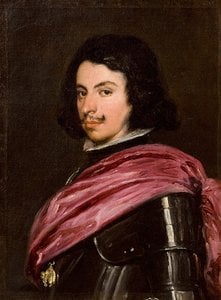
francesco ladetto
1706 - 1787 , Italy
Kort om kunstneren
- Artistic Movement Or Style: Rococo, Classical
- Artists Who Influenced This Artist: ['Antonio Balestra']
- Date Of Birth: 4 July 1706
- Date Of Death: 1 Dec 1770
- Full Name: Giambettino Cignaroli
- Nationality: Italian
- Notable Artworks:
- St. Martha
- Madonna
- Self-portrait
- Death of Socrates
- Death of Cato
- Virgin and Child
- Place Of Birth: Verona, Italy