


 Se i rummet
 Send
Send Del
Del
 Detaljer
 Studieguide til kunstværker

 Download
 Lignende værker
 Røntgenundersøgelse
 Se diasshow
 Statistik
St Peter
 Tempera On Panel
- Renaissance
 1473
1473- Renaissance
 112.0 x 55.0 cm
 Pinacoteca di Brera
 Læs mere
Håndlavet oliereproduktion
Håndmalet olie på lærred i din valgte størrelse og ramme, udført efter bestilling af vores kunstnere. ( Skift til printversion Skift til digitalt billede)




P118B Dkr10

P118H Dkr10

P118W Dkr10

P438Z Dkr10

P508JH Dkr12

P508YH Dkr12

P805H Dkr10

P805Z Dkr10

P919BZ Dkr10

P919G Dkr10

P919XJ Dkr10

P959ZH Dkr10

P968JZ Dkr12

W106C Dkr8

W218G Dkr10

W218JH Dkr8

W218Y Dkr10

W307PJ Dkr10

W316G Dkr10

W316PJ Dkr8

W316Y Dkr10

W398PJ Dkr8

W4111J Dkr10

W500HY Dkr15

W500JH Dkr15

W692G Dkr12

W849H Dkr8

W940BG Dkr15

W953PJ Dkr8




Vælg mellem vores forudindstillede størrelser, der matcher kunstværkets originale proportioner.

Indtast den bredde og højde, du har brug for, så det passer til din ramme eller din væg. Da dette er håndmalet, kan kunstneren ved en anden form på størrelsen male lidt mere rundt om billedet eller skære lidt væk — det er op til dig. Vi sender dig et digitalt mockup til godkendelse, før maleriet påbegyndes. Billedet, der vises på denne side, viser ikke det endelige resultat — det er kun mockuppet, der gør.
Efter bestilling vil ArtsDot.com team sende en e-mail til kunden for at indhente instruktioner og fremsende et udkast til gennemgang.
Levering i hele verden () på 3-4 uger i stedet for de standard 5 uger. (26 oktober). Ingen kompromiser med kvaliteten.

Gratis ekspresforsendelse til hele verden

Lærred af linned i høj kvalitet

Komplet transportforsikring

Garanti for refusion af told og importafgifter

Garanti for autentisk farvegengivelse

100 dages returret ved fabrikationsfejl

100% fuld returret

Mængderabat ved flere køb
 Glasmulighed er kun tilgængelig i størrelser under 110 cm

St Peter
Reproduktionsmateriale
Reproduktionsstørrelse
-


Samlet pris
Dkr 1725
Francesco Del Cossa’s St Peter: A Renaissance Masterpiece Illuminated
Francesco del Cossa's depiction of Saint Peter is more than just a portrait; it’s a meticulously crafted emblem of faith and papal authority, embodying the spirit of the High Renaissance. Executed in 1473 for the Chapel of St Peter and St Paul in the Palazzo Schifanoia, Ferrara—a lavish residence commissioned by Cesare I d'Este—the painting stands as a testament to humanist ideals intertwined with profound religious symbolism.- Style: Early Renaissance – Del Cossa’s work aligns seamlessly with the stylistic trends emerging from Florence under Lorenzo de’ Medici, prioritizing anatomical accuracy and naturalistic observation alongside idealized beauty.
- Technique: Tempera on panel—This medium allowed for vibrant colors and luminous effects, crucial to conveying the spiritual essence of the subject matter. Del Cossa skillfully blended pigments with resin binders, achieving remarkable detail and textural richness.
- Historical Context: Ferrara during Cesare I’s reign was a center of artistic patronage, fostering an environment where artists like Del Cossa could flourish. The Palazzo Schifanoia itself served as a microcosm of humanist thought, reflecting the Este family's fascination with classical learning and artistic innovation.
- Location: Pinacoteca di Brera, Milan
- Dimensions: 112 x 55 cm
Further Exploration
For more information on Francesco Del Cossa’s life and oeuvre, visit Francesco Del Cossa's Website. You can also delve deeper into the Pinacoteca di Brera’s collection at Pinacoteca di Brera Official Site. Discover related artists from Italy on Wikipedia’s List of People From Italy for a broader understanding of the Renaissance artistic landscape.Spørgsmål & svar
Hvilken størrelse og orientering anbefales til et print af "St Peter" af Francesco Del Cossa?
Til "St Peter" er den anbefalede printopsætning en størrelse på Large og en Tall orientering.
Hvad er reproduktionsrettighederne for "St Peter" hos Pinacoteca di Brera?
"St Peter" af Francesco Del Cossa, som findes på Pinacoteca di Brera, er i det offentlige domæne – ophavsretten er udløbet. Denne status afgør, om der må fremstilles reproduktioner af billedet.
Hvor mange personer ser "St Peter"?
Der findes en Statistikker-side for "St Peter". Den viser de månedlige besøg for kunstværket og kunstnerens øvrige værker, opdelt efter land og sprog.
Lignende kunstværker


![St. Francis Mourned By St. Clare - [23] - St. Francis Mourned By St. Clare — Giotto Di Bondone, Proto Renaissance](/media/artworks/images-thumb/17/1c/171c284c41dc3ef8bca83e51c1e1e531.jpg)


Om kunstneren
Francesco del Cossa: En renæssancemester fra Ferrara
Francesco del Cossa (ca. 1436 – 1477) var en central skikkelse inden for den italienske renæssance og tæt knyttet til den ferræresiske skole. Født i Ferrara, Italien, fremstår han som en fascinerende personlighed, hvis liv og karriere er delvist indhyllet i historiens tåger. Alligevel står hans kunstneriske bidrag, især hans fresker, som uomtvistelige vidnesbyrd om hans tekniske dygtighed og hans innovative tilgang til den spirende renæssancestil.
Tidligt liv og uddannelse
Del Cossa var søn af stenhuggeren Cristofano del Cossa, som også arbejdede som kunstner. Der findes ikke meget definitiv viden om Franciscos tidlige kunstneriske uddannelse, men det antages, at han assisterede sin far med maleriet af dekorationerne til kapellet i Bispegården i Ferrara omkring 1lag 1456. Denne tidlige eksponering for det kunstneriske håndværk har uden tvivl formet hans fundamentale udvikling. Det ser ud til, at han rejste uden for Ferrara i slutningen af tyverne eller begyndelsen af trediverne, hvor han opsamlede erfaringer og potentielt stiftede bekendtskab med nye kunstneriske strømninger.
Hovedværker og kunstnerisk stil
Del Cossa fejres primært for sine freskocyklusser, mest bemærkelsesværdigt dem, der pryder Palazzo Schifanoia, et sommerpalads lige uden for Ferraras byporte. I samarbejde med Cosimo Tura bidrog han til de detaljerede allegoriske dekorationer, der skildrer stjernetegnene og årets måneder. Specifikke fresker tilskrevet del Cossa inkluderer "Majs Allegori – Apollons Triumf", som er berømt for sin slående fremstilling af en sværm af nøgne småbørn arrangeret i en visuelt fængslende formation, samt "Aprils Allegori", der indeholder en tidlig repræsentation af de tre gracer, hvilket går forud for Botticellis berømte version. Disse fresker demonstrerer hans mesterskab inden for perspektiv, detaljerigdom og narrativ historiefortælling.
- Palazzo Schifanoia Fresker: Zodiakale allegorier, der fremviser en forening af klassisk mytologi og renæssancens realisme.
- Majs Allegori – Apollons Triumf: Berømt for sin unikke skildring af utallige nøgne børn.
- Aprils Allegori: Indeholder en tidlig afbildning af de tre gracer, hvilket vidner om hans forståelse for klassiske temaer.
Udover Palazzo Schifanoia skabte del Cossa andre betydningsfulde værker:
- Jomfru og barn med to helgener (Bologna)
- Portræt af Alberto de' Catanei (Bologna)
- Freskoen af Madonna del Baracano (Bologna), der skildrer Jomfru Maria og barnet sammen med portrætter af Giovanni Bentivoglio og Maria Vinziguerra.
- Glasmaleri i San Giovanni in Monte, Bologna (signeret).
Udvikling og indflydelse
Del Cossas stil afspejler en sammensmeltning af de indflydelser, der er karakteristiske for den ferræresiske renæssance. Selvom hans arbejde har rødder i tidligere gotiske traditioner, udviser det en stigende engagement med klassiske former og humanistiske idealer. Hans sans for detaljen, især i gengivelsen af tekstiler og teksturer, afslører en skarp observationsevne. Indflydelsen fra det tidlige nederlandske maleri kan også spores i hans omhyggelige detaljerigdom. Hans korte, men indflydelsesrige periode i Bologna under beskyttelse af Bentivoglio-familien forfinede yderligere hans stil og førte til nogle af hans mest fejrede portrætter.
Historisk betydning
Francesco del Cossas eftermæle hviler på hans bidrag til den ferræresiske renæssancekunst og hans unikke kunstneriske vision. Selvom hans karriere var relativt kort, efterlod han sig en samling værker, der udstiller periodens dynamik og innovation. Hans fresker i Palazzo Schifanoia er uvurderlige dokumenter om det 15. århundredes hofliv og kunstneriske mæcenatvirksomhed. Hans skildringer af klassiske temaer, såsom de tre gracer, demonstrerer en tidlig optagethed af humanistiske idealer. Del Cossas nyere anerkendelse i Ali Smiths roman "How to Be Both" og hans forbindelse til en Google Earth-skattejagt har yderligere kastet lys over denne ofte oversete renæssancemester.

Francesco Del Cossa
1436 - 1477 , Italien
Hurtige fakta
- Artistic Movement Or Style: Italiensk renæssance
- Artists Or Movements Influenced By This Artist: ['Leonardo Scaletti']
- Date Of Birth: 1436
- Date Of Death: 1477
- Full Name: Francesco del Cossa
- Nationality: Italiensk
- Notable Artworks:
- Allegory of May
- Allegory of April
- Portrait of a Man
- Madonna with the Child
- St. Vincent Ferrer
- Place Of Birth (City And Country): Ferrara, Italien
Relaterede artikler

De 10 mest ikoniske temperamalerier – Kunst der ændrede verden | ArtsDot.dk
Oplev de 10 mest legendariske temperamalerier, der definerede kunsthistorien! Fra Giotto til Van Eyck – lær historierne bag mesterværkerne og find inspiration til dit hjem. Køb eksklusive reproduktioner på ArtsDot.com.
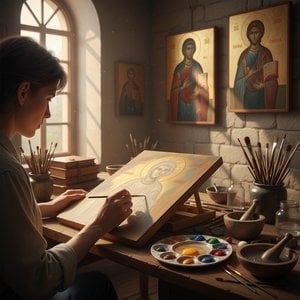
Illuminating Surfaces: A Comprehensive Exploration of Tempera on Panel Painting Techniques & Historical Significance
Explore the rich history & techniques of tempera painting! Discover Renaissance masters like Botticelli & Fra Angelico, conservation insights, and the enduring legacy of this captivating art form. Learn more now!

Museo del Prado: Top 25 Kunstværker – Mestre, Historier & Inspiration til Dit Hjem
Oplev top 25 kunstværker fra Museo del Prado i Madrid! Dyk ned i Velázquez, Goya og El Grecos mesterværker. Find inspiration til din indretning & køb museumskvalitets reproduktioner online hos ArtsDot.com.

Illuminating History: A Comprehensive Exploration of Tempera Painting Techniques & Artistic Legacy
Explore the rich history & techniques of tempera painting! Discover Renaissance masters like Botticelli & Fra Angelico, conservation insights, and the enduring legacy of this captivating art form.

Fra Angelicos 25 Mesterværker: Renæssancekunst til Dit Hjem | ArtsDot.dk
Oplev Fra Angelicos 25 mest ikoniske renæssancemalerier. Fordyb dig i historien bag disse religiøse mesterværker, fresker og altertavler. Find inspiration til din indretning & køb museumskvalitets reproduktioner på ArtsDot.com.

