


 Se i fuld skala
 Del
Del Del
Del
 Detaljer

 Download
 Lignende værker
 Røntgenundersøgelse
 Diasshow
 Stats
StatsSailing Barges


 Se mere
Giclée / Kunsttryk
Giclée- eller lærredstryk i museumskvalitet med hurtig produktion og fleksible muligheder for finish. ( Køb håndlavet maleri Switch to Digital Image)




P118B $10

P118H $10

P118W $10

P438Z $10

P508JH $12

P508YH $12

P805H $10

P805Z $10

P919BZ $10

P919G $10

P919XJ $10

P959ZH $10

P968JZ $12

W106C $8

W218G $10

W218JH $8

W218Y $10

W307PJ $10

W316G $10

W316PJ $8

W316Y $10

W398PJ $8

W4111J $10

W500HY $15

W500JH $15

W692G $12

W849H $8

W940BG $15

W953PJ $8




Vælg mellem vores forudindstillede størrelser, der matcher kunstværkets originale proportioner.

Du kan indtaste dine egne mål for at passe til en specifik ramme eller et bestemt område. Hvis den valgte størrelse ikke stemmer overens med det originale billedes proportioner, vil vi enten beskære kunstværket eller udvide billedet med en spejlet eller ensfarvet kant. En digital mockup vil blive sendt til din godkendelse, før produktionen påbegyndes.
Bemærk venligst, at forhåndsvisningen på skærmen ikke afspejler den faktiske beskæring eller udvidelse. Kun mockuppen vil nøjagtigt vise den endelige komposition.
Selvom specialmål er tilgængelige, anbefaler vi at vælge et mål fra den foruddefinerede liste for at bevare de originale proportioner.
Verdensomspændende levering () på 2 uger i stedet for de sædvanlige 4/5 uger. (8 september)

Gratis ekspresforsendelse til hele verden

Lærred af linned i høj kvalitet

Fuld transportforsikring

Garanti for refusion af told og importafgifter

Garanti for præcis farvegengivelse

100 dages returret (kun ved fejl og mangler)

100% Tilfredshedsgaranti

Mængderabat tilgængelig
 Glasmulighed er kun tilgængelig i størrelser under 110 cm

Sailing Barges
Giclée / Kunsttryk
Størrelse på reproduktion
-


Samlet pris
$ 63
Lignende kunstværker


Kunstnerens biografi
A Life Painted in Resilience
Born on the 11th of February, 1828, in the London district of Kentish Town, Emily Mary Osborn emerged as one of the most compelling and significant female voices of the Victorian era. The eldest of nine children, her early years were shaped by the quiet rhythms of a parsonage life in West Tilbury. It was within these surroundings, under the watchful and encouraging eye of her mother, Mary, that her artistic inclinations first took root. Even as a young girl, she demonstrated a remarkable talent for capturing the likenesses of her siblings, often experimenting with makeshift pigments derived from flower petals and spirits of wine—a testament to the resourceful and passionate spirit that would define her entire career.
The move to London following her father’s death in 1842 marked a pivotal turning point, transforming her childhood curiosity into professional ambition. In the bustling heart of the city, Osborn sought formal training, attending evening classes at the Dickenson Academy and later studying under masters such as J.M. Leigh. This rigorous period of study provided the technical foundation necessary to navigate the competitive London art scene. By 1851, at the tender age of seventeen, she began exhibiting her work at the prestigious Royal Academy, a feat that would continue for over four decades, cementing her place among the era's most respected practitioners.
Mastery of the Human Condition
Osborn’s oeuvre is celebrated for its profound emotional depth and its unflinching gaze upon the social realities of 19th-century Britain. While she possessed a remarkable skill for portraiture, it was her genre paintings that truly captured the public imagination and established her historical significance. She became particularly renowned for her ability to depict themes of vulnerability and social isolation, often focusing on women in distress. Her most iconic work, Nameless and Friendless (1857), serves as a haunting masterpiece of Victorian realism, utilizing light and composition to evoke a sense of profound loneliness and the precariousness of female social standing.
Beyond the poignant narratives of hardship, her artistry evolved through various stages of technical exploration. Her early works often focused on figures of an unpretending character, yet as her career matured, she expanded her repertoire to include:
- Intimate Portraits: Capturing the psychological nuances and dignity of her subjects.
- Evocative Landscapes: Moving into more expansive scenery during the 1870s, such as the serene Sailing Barges (1880).
- Rural Realism: Documenting the lives of the working class, seen in works like The Bal Maidens (1870), where romanticism meets a gritty, detailed realism.
Legacy and Artistic Significance
The significance of Emily Mary Osborn lies not only in her technical mastery but in her role as a pioneer for women in the arts. In an era when female artists often faced systemic barriers, Osborn maintained a prolific and consistent presence at the Royal Academy until 1893. Her work bridged the gap between the sentimental traditions of early Victorian art and the more rigorous, socially conscious realism that would follow. Through her brush, the silent struggles of the marginalized were given a permanent, dignified voice.
As we look back upon her long life—spanning from the height of the Victorian era to the dawn of the modern age, passing in 1925 at the age of 97—we see an artist who refused to be limited by her circumstances. Whether she was painting the quietude of a gothic interior in For the Last Time or the industrious spirit of rural laborers, Osborn’s legacy remains etched in the history of British art as a profound study of empathy, resilience, and the enduring power of the human narrative.
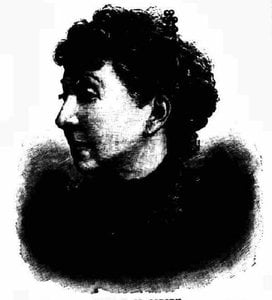
Kort om kunstneren
- Artistic Movement Or Style: Victorian Genre Painting
- Artists Or Movements Influenced By This Artist:
- Richard Redgrave
- Rebecca Solomon
- Artists Who Influenced This Artist:
- John Mogford
- J.M. Leigh
- Date Of Birth: February 11, 1828
- Date Of Death: April 14, 1925
- Full Name: Emily Mary Osborn
- Nationality: British
- Notable Artworks:
- Nameless and Friendless
- The Bal Maidens
- For the Last Time
- Place Of Birth: Kentish Town, London
Relaterede artikler

Jacob Henricus Maris: A Master of Dutch Atmospheric Realism & the Intimate Landscape
Explore the captivating world of Jacob Henricus Maris, a leading figure of the Dutch Hague School. Discover his atmospheric landscapes, signature brushstrokes & lasting influence on 19th-century art. Learn more at ArtsDot.

Mary Vaux Walcott: Botanical Precision & Artistic Vision in American Conservation
Discover the exquisite botanical watercolors of Mary Vaux Walcott, celebrated as the 'Audubon of Botany.' Explore her life, art, and lasting impact on American conservation through detailed illustrations & Smithsonian contributions.

William Powell Frith: Narratives of Victorian Society & the Rise of Realist Painting
Explore the life & works of William Powell Frith, the 'greatest British painter of social scenes.' Discover his iconic Victorian genre paintings and learn about his lasting impact on realist art. Hand-painted reproductions available.

The Refined Aesthetic of Victorian Illustration: A Study in Narrative & Technique
Explore the captivating world of Victorian illustration! Discover Pre-Raphaelite influences, key artists like Rossetti & Stephens, and the era's rich narrative detail. A deep dive for art enthusiasts.

Dante Gabriel Rossettis 25 Mesterværker: Skønhed, Symbolik & Kunst til Dit Hjem
Oplev Dante Gabriel Rossettis 25 mest ikoniske værker! Fordyb dig i romantikkens symbolik og prærafaelitternes skønhed. Find museumskvalitets kunsttryk & inspiration til dit hjem på ArtsDot.com.