

 Se i rummet
 Del som kort
 Del
Del
 Detaljer
 Guide
Guide

 Download
 Lignende værker
 Røntgenundersøgelse
 Diasshow
 Spørgsmål og svar
 Statistikker
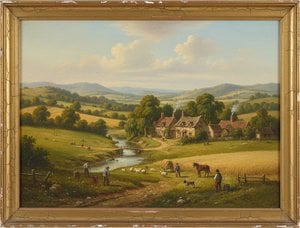
Landscape with a Herd

- 33.0 x 54.0 cm


 Vis mere
Giclée / Kunsttryk
Giclée- eller lærredstryk i museumskvalitet med hurtig produktion og fleksible muligheder for finish. ( Køb håndmalet maleri Skift til digitalt billede)




P118B Dkr10

P118H Dkr10

P118W Dkr10

P438Z Dkr10

P508JH Dkr12

P508YH Dkr12

P805H Dkr10

P805Z Dkr10

P919BZ Dkr10

P919G Dkr10

P919XJ Dkr10

P959ZH Dkr10

P968JZ Dkr12

W106C Dkr8

W218G Dkr10

W218JH Dkr8

W218Y Dkr10

W307PJ Dkr10

W316G Dkr10

W316PJ Dkr8

W316Y Dkr10

W398PJ Dkr8

W4111J Dkr10

W500HY Dkr15

W500JH Dkr15

W692G Dkr12

W849H Dkr8

W940BG Dkr15

W953PJ Dkr8




Vælg mellem vores forudindstillede størrelser, der matcher kunstværkets originale proportioner.

Indtast den bredde og højde, du har brug for, så det passer til din ramme eller din væg. Et print kan kun beskæres, aldrig gøres større end selve billedet, så en størrelse med et andet format vil medføre, at dele af motivet går tabt. Vi sender dig en digital mockup til godkendelse, før vi printer noget. Billedet vist på denne side viser ikke den faktiske beskæring — det er kun mockuppen, der gør.
Verdensomspændende levering () på 2 uger i stedet for de sædvanlige 4/5 uger. (15 november)

Gratis ekspresforsendelse til hele verden

Lærred af linned i høj kvalitet

Fuld transportforsikring

Garanti for refusion af told og importafgifter

Garanti for præcis farvegengivelse

100 dages returret ved fabrikationsfejl

100% fuld returret

Mængderabat ved flere køb
 Glasmulighed er kun tilgængelig i størrelser under 110 cm

Landscape with a Herd
Giclée / Kunsttryk
Størrelse på reproduktion
-


Samlet pris
Dkr 419
A Vision of Rural Tranquility: Exploring Jacque’s Landscape With A Herd
Charles-Émile Jacque's “Landscape With A Herd,” painted in 1872, stands as a quintessential example of Barbizon landscape painting—a movement that championed the honest depiction of rural life and celebrated the sublime beauty of the French countryside. More than just a picturesque scene, this artwork embodies a profound connection to nature and reflects the artistic sensibilities of its time.
Subject Matter & Composition: The painting captures a serene tableau featuring a solitary shepherd guiding his flock along a dusty dirt road. Dominating the canvas is a sprawling meadow bathed in soft sunlight, punctuated by scattered sheep—a deliberate choice to portray the everyday realities of rural existence. Two horses graze peacefully nearby, adding depth and visual interest to the composition.
Style & Technique: Jacque’s masterful brushwork exemplifies the Barbizon style's commitment to tonal gradation and atmospheric perspective. Thick impasto—heavy application of paint—creates a palpable sense of texture, conveying the roughness of the earth and the warmth of the sun. The artist skillfully utilizes muted earthy hues – ochres, browns, greens – to evoke the feeling of a timeless landscape untouched by urban encroachment.
Historical Context: Painted during the Second Barbizon Period (1863-1874), “Landscape With A Herd” emerged from a reaction against Romantic idealism. Artists like Jacque sought inspiration in the landscapes of Touraine and Umbria, rejecting theatrical grandeur for understated realism. This movement represented a significant shift away from idealized depictions of history and mythology towards an appreciation for the tangible beauty of the natural world.
Symbolism & Emotional Impact: Beyond its visual appeal, the painting carries symbolic weight. The shepherd represents diligence and responsibility—a figure rooted in tradition and connected to the land. The sheep symbolize innocence and vulnerability, mirroring humanity’s dependence on nature for sustenance and spiritual renewal. Jacque's work evokes a feeling of quiet contemplation and nostalgia, inviting viewers to reconnect with the restorative power of unspoiled landscapes.
Interior Design Considerations: “Landscape With A Herd” would lend itself beautifully to interior spaces seeking warmth and tranquility. Its muted palette complements neutral tones like beige or gray, creating a harmonious aesthetic that aligns with contemporary trends favoring natural materials and calming colors. Reproductions of this artwork offer an opportunity to bring the serenity of the French countryside into any home.
Spørgsmål og svar
Hvor kommer de besøgende til "Landscape with a Herd" af Charles Jacque fra?
Der findes en Besøgsstatistik-side for "Landscape with a Herd", som viser de månedlige besøgstal for kunstværket og kunstnerens øvrige værker, opdelt efter land og sprog.
Kan "Landscape with a Herd" af Charles Jacque, som findes på Hermitage Museum, reproduceres lovligt?
"Landscape with a Herd" af Charles Jacque, som findes på Hermitage Museum, er i det offentlige domæne – ophavsretten er udløbet. Denne status afgør, om der må fremstilles reproduktioner af billedet.
Hvilken teknik er brugt til "Landscape with a Herd" af Charles Jacque?
"Landscape with a Herd" er udført i Oil On Canvas.
Lignende kunstværker


Kunstnerbiografi
Et liv forankret i det franske landliv
Charles-Émile Jacque, født i Paris i 1813, var ikke skæbnebestemt til en konventionel kunstnerisk bane. Hans tidlige liv tog en uventet drejning med syv års tjeneste i den franske hær. Men selv inden for militærlivets stringente struktur fandt hans medfødte talent et udtryk – ikke gennem maleri i begyndelsen, men gennem den møjsommelige færdighed i kortgravering. Denne grundlæggende træning, som krævede præcision og observationsevne, skulle vise sig overraskende afgørende for hans senere kunstneriske virke, da den indprentede en dedikation til detaljen, som blev et kendetegn for hans værk. Det var en usandsynlig begyndelse for en maler, der senere skulle blive synonym med det idylliske smukke i det franske landdistrikt, men det fortæller meget om Jacques tilpasningsevne og iboende kunstneriske sans. Efter sin tid i hæren beskæftigede han sig kortvarigt med illustration og karikatur, hvor han bidrog til parisiske tidsskrifter, før han fandt sit sande kald inden for rækkevidden af radering og maleri.Omfavnelsen af Barbizon og en pastoral vision
Midten af det 19. århundrede så Jacque blive draget mod Barbizon, en lille landsby, der skulle blive epicentret for en revolutionerende kunstbevægelse. På flugt fra de koleraepidemier, der hærgede Paris, sluttede han sig til Jean-François Millet og andre ligesindede kunstnere i søgen efter inspiration direkte fra naturen. Dette markerede et afgørende skift væk fra akademiske konventioner og mod en mere ærlig, realistisk skildring af livet. Jacque omfavnede denne nye tilgang med hele sit hjerte og dedikerede sig til at indfange essensen af det landlige liv – hyrdernes stille værdighed, mens de passede deres hjorde, det milde rytme i landbrugsarbejdet og den enkle skønhed hos kvæget på solplettede marker. Hans malerier var ikke blot afbildninger af scener; de var gennemsyret af en dyb følelse af ro og harmoni, som afspejlede en dyb værdsættelse af den naturlige verden. Han *malede* ikke blot får eller lader; han formidlede en følelse, en atmosfære – en ærefrygt for det pastorale liv, der resonerede dybt hos beskueren.Mester af medier: Maleri og grafik
Jacques kunstneriske formåen rakte langt ud over lærredet. Han blev berømt som en mester inden for radering og gravering, idet han genoplivede teknikker fra det 17. århundrede og skubbede til grænserne for grafikken. Hans raderinger blev hyldet for deres dristighed og velovervejede motiver, hvilket bragte ham ros fra kritikere som Charles Baudelaire. Henri Béraldi identificerede to særskilte perioder i Jacques grafiske arbejde: en tidlig fase inspireret af hollandske vignetter, karakteriseret ved spontanitet, og en senere periode præget af større, mere detaljerede plader, der udviste et møjsommeligt håndværk. Denne dobbelte mestring – af både pensel og burin – gjorde det muligt for ham at nå et bredere publikum og cementere sit ry som en betydningsfuld skikkelse i kunstverdenen. Han betragtede ikke maleri og grafik som adskilte discipliner, men snarere som komplementære veje til at udtrykke sin kunstneriske vision. Hans illustrationer til litterære klassikere, herunder udgaver af Goldsmiths The Vicar of Wakefield og Wordsworths Picturesque Greece, fremviste yderligere hans alsidighed og dygtighed.Eftermæle og varig indflydelse
Charles-Émile Jacque døde i 1894 og efterlod sig en rig kunstnerisk arv, der fortsat fanger beskuere den dag i dag. Han spillede en vital rolle i formningen af realismens udvikling i fransk kunst og banede vejen for fremtidige generationer af kunstnere, der søgte at skildre livet med ærlighed og følsomhed. Hans dedikation til at portrættere landlivet løftede genremaleriet – scener fra dagligdagen – til en fremtrædende position i det kunstneriske landskab.- En pioner inden for raderingens genfødsel: Jacques genoplivning af raderingsteknikker fra det 17. århundrede havde en betydelig indvirkning på grafikken.
- Indflydelse på Millet: Hans tidlige værker og raderinger havde en dyb indflydelse på hans ven og medkunstner fra Barbizon-skolen, Jean-François Millet.
- Forsvarer af landlivet: Han forevigede skønheden og værdigheden i det franske landliv og skabte et varigt visuelt vidnesbyrd om en livsform, der var ved at forsvinde.

Charles Jacque
1813 - 1894 , Frankrig
Kort om kunstneren
- Artistic Movement Or Style: Barbizon-skolen
- Artists Or Movements Influenced By This Artist: ['Realisme']
- Artists Who Influenced This Artist: ['Adriaen van Ostade']
- Date Of Birth: 1813
- Date Of Death: 1894
- Full Name: Charles-Émile Jacque
- Nationality: Fransk
- Notable Artworks:
- Lille blå dreng
- Fårelyngen
- Hyrdepige
- Place Of Birth: Paris, Frankrig
Relaterede artikler

Evoking Arcadia: A Historical & Aesthetic Exploration of Rural Landscape Art
Explore the rich history of pastoral landscape art, from classical Arcadia to Impressionism & beyond. Discover key artists, movements, and how to collect serene rural scenes for your home. Expert insights at ArtsDot.

Charles-François Daubigny: Pioneering Atmospheric Light & Barbizon Realism
Explore the life & art of Charles-François Daubigny, a pivotal Barbizon School painter. Discover his innovative landscapes, mastery of light, and influence on Impressionism. High-quality reproductions available.

Echoes of Rural Life: Art's Enduring Representations of the Countryside
Explore the rich history of rural life in art! Discover masterpieces from Millet to Mauve & beyond. Learn about Realism, Barbizon School & find inspiration for your home with ArtsDot.
Evocations of Rural Life: A Historical Journey Through Landscape Painting
Explore the rich history of rural life in painting! Discover Impressionist masterpieces, Italian Macchiaioli scenes & the enduring appeal of pastoral landscapes. Find your perfect artwork at ArtsDot.

The Barbizon School: Pioneering Realism & the Pastoral Vision in 19th-Century French Painting
Explore the Barbizon School's pivotal role in 19th-century French painting. Discover how these artists revolutionized landscape art with their commitment to Realism and a profound connection to nature. Learn about key figures like Rousseau, Millet & Corot.
