
- Hjem

- Tryk på lærred
- castera bazile
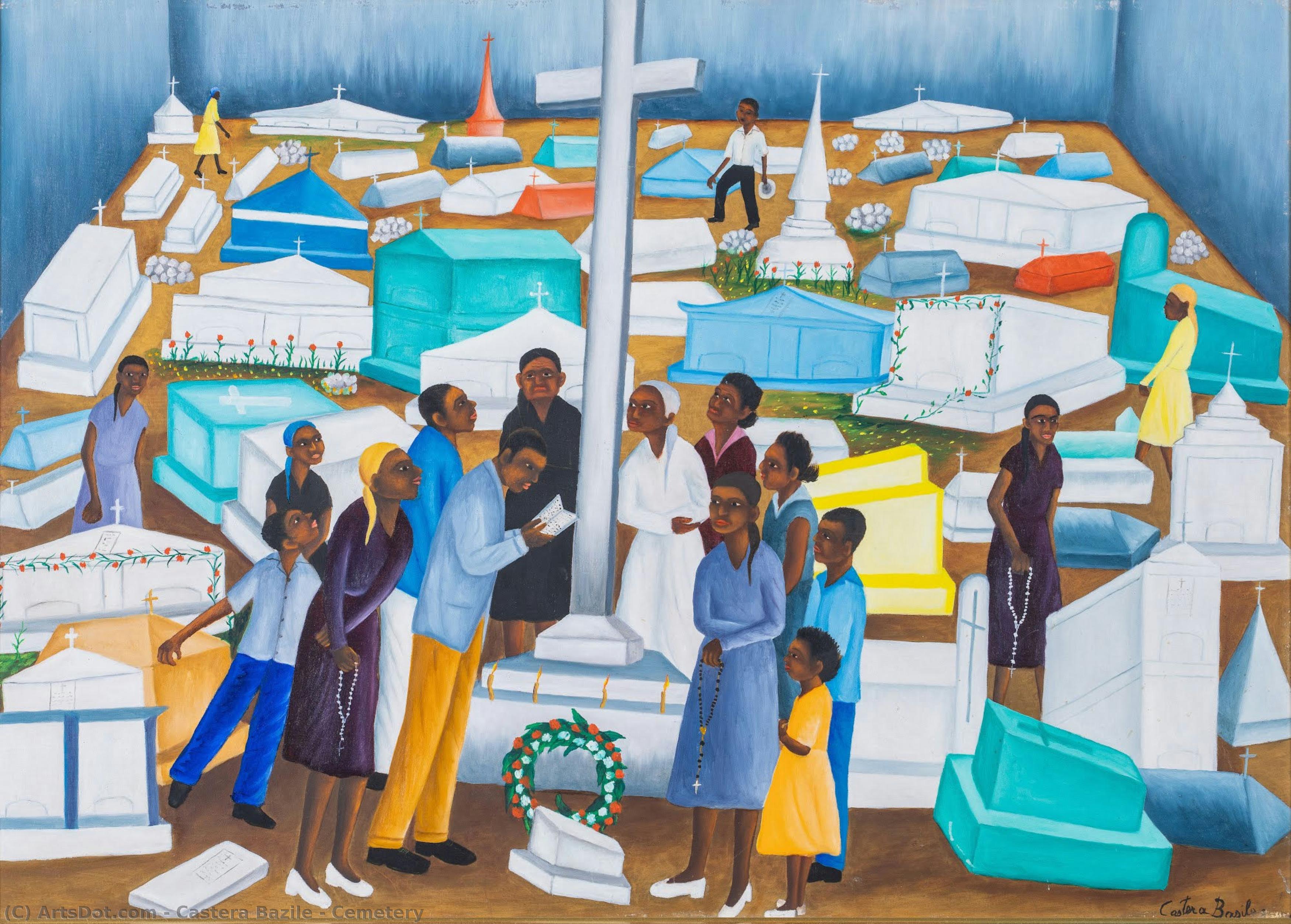
- Cemetery
 Preview
 Del
Del Del
Del
 Detaljer

 Download
 Lignende værker
 Røntgenundersøgelse
 Diasshow
Cemetery


 Se mere
Giclée / Kunsttryk
Giclée- eller lærredstryk i museumskvalitet med hurtig produktion og fleksible muligheder for finish. ( Switch to hand made Painting Switch to Image)




































Vælg mellem vores forudindstillede størrelser, der matcher kunstværkets originale proportioner.

Du kan indtaste dine egne mål for at passe til en specifik ramme eller et bestemt område. Hvis den valgte størrelse ikke stemmer overens med det originale billedes proportioner, vil vi enten beskære kunstværket eller udvide billedet med en spejlet eller ensfarvet kant. En digital mockup vil blive sendt til din godkendelse, før produktionen påbegyndes.
Bemærk venligst, at forhåndsvisningen på skærmen ikke afspejler den faktiske beskæring eller udvidelse. Kun mockuppen vil nøjagtigt vise den endelige komposition.
Selvom specialmål er tilgængelige, anbefaler vi at vælge et mål fra den foruddefinerede liste for at bevare de originale proportioner.
Verdensomspændende levering () på 2 uger i stedet for de sædvanlige 4/5 uger. (29 juli)

Gratis ekspresforsendelse til hele verden

Lærred af linned i høj kvalitet

Fuld transportforsikring

Garanti for refusion af told og importafgifter

Garanti for præcis farvegengivelse

60 dages returret (kun ved fabrikationsfejl)

100% Tilfredshedsgaranti

Mængderabat tilgængelig
 Glasmulighed er kun tilgængelig i størrelser under 110 cm

Cemetery
Giclée / Kunsttryk
Størrelse på reproduktion
-


Samlet pris
$ 63
Lignende kunstværker


Kunstnerens biografi
A Visionary Voice of Haitian Vodou Art
Castera Bazile (1923-1966) remains an enigmatic figure in Haitian art history, a painter whose oeuvre speaks volumes about the spiritual heart of Haiti and its enduring connection to African traditions. Born in Jacmel, Haiti, Bazile’s life was tragically cut short at the age of forty-three, leaving behind a relatively small but profoundly impactful body of work that continues to fascinate scholars and collectors alike. Despite limited biographical information—primarily gleaned from scattered references—his paintings offer an unparalleled glimpse into the vibrant world of Vodou ceremonies and the heroic narratives surrounding Henri Christophe and Bwa Kayiman.- Early Life & Artistic Beginnings: Little is known about Bazile’s formative years. He emerged as a painter in the mid-1950s, largely self-taught, driven by an unwavering devotion to Vodou and its artistic expressions. His initial subjects were often landscapes depicting Haiti's lush Caribbean environment—a deliberate choice reflecting his deep appreciation for the land and its cultural heritage. However, it was his portraits of Vodou figures, particularly Henri Christophe – the exiled Haitian leader who spearheaded a rebellion against French colonial rule – that cemented his reputation as a unique artistic voice.
The Power of Vodou Imagery
Bazile’s distinctive style is characterized by bold color palettes and expressive brushstrokes, reflecting the dynamism and fervor inherent in Vodou rituals. He eschewed academic conventions, prioritizing emotional impact over meticulous realism. His canvases pulsate with energy, capturing not just likenesses but also the spiritual essence of his subjects—the solemn faces of priests, the vibrant costumes of initiates, and the dramatic choreography of ceremonies. The artist’s masterful use of pigment creates a palpable sense of atmosphere, transporting viewers into the sacred space of Bwa Kayiman – a powerful Haitian Vodou shrine known for its elaborate rituals and symbolic representations.- Notable Subjects & Techniques: Henri Christophe: Bazile’s portrait of Christophe is arguably his most celebrated work. It transcends mere representation, conveying the leader's dignity and resilience—a testament to Haitian resistance against oppression. The painting utilizes a rich tapestry of colors – reds, yellows, and blues – to depict Christophe’s regal attire and gaze, emphasizing his unwavering determination.
- Bwa Kayiman: Bazile’s depictions of Bwa Kayiman are particularly noteworthy for their symbolic depth. He meticulously rendered the shrine's architecture and ceremonial paraphernalia, capturing the ritualistic fervor with meticulous detail. The artist’s technique—characterized by thick impasto—adds textural richness to the canvases, mirroring the physicality of Vodou ceremonies.
Influence & Legacy
Bazile’s artistic vision drew inspiration from Haitian folklore and ancestral traditions, aligning him squarely within the broader context of African Diaspora art. While he lacked formal training, his profound understanding of Vodou iconography and ritual practice informed every aspect of his oeuvre. His work stands apart from many contemporary Haitian artists who focused on documenting social realities—Bazile sought to capture something far more elusive: the intangible spirit of Haiti’s spiritual life.- Concluding Thoughts: Despite the paucity of biographical details, Castera Bazile's paintings endure as powerful emblems of Haitian identity and Vodou spirituality. They serve as a reminder that art can transcend mere visual representation to convey profound emotional and symbolic meaning. His legacy continues to inspire artists exploring themes of faith, resilience, and cultural heritage—solidifying his place as one of Haiti’s most distinctive artistic voices.

castera bazile
1923 - 1966 , Haiti
Kort om kunstneren
- Artistic Movement Or Style: Vodou Art
- Date Of Birth: 1923
- Date Of Death: 1966
- Full Name: Jacmel Bazile
- Nationality: Haitian
- Notable Artworks:
- Self Portrait as Henri Christophe
- Petwo Ceremony Commemorating Bwa Kayiman
- Place Of Birth: Jacmel, Haiti

