


 Se i rummet
 Send
Send Del
Del
 Detaljer
 Studieguide til kunstværker

 Download
 Lignende værker
 Røntgenundersøgelse
 Se diasshow
 Statistik
Two Figures

 Læs mere
Giclée / Kunsttryk
Giclée- eller lærredstryk i museumskvalitet med hurtig produktion og fleksible muligheder for finish. ( Bestil håndmalet reproduktion Skift til digitalt billede)




P118B Dkr10

P118H Dkr10

P118W Dkr10

P438Z Dkr10

P508JH Dkr12

P508YH Dkr12

P805H Dkr10

P805Z Dkr10

P919BZ Dkr10

P919G Dkr10

P919XJ Dkr10

P959ZH Dkr10

P968JZ Dkr12

W106C Dkr8

W218G Dkr10

W218JH Dkr8

W218Y Dkr10

W307PJ Dkr10

W316G Dkr10

W316PJ Dkr8

W316Y Dkr10

W398PJ Dkr8

W4111J Dkr10

W500HY Dkr15

W500JH Dkr15

W692G Dkr12

W849H Dkr8

W940BG Dkr15

W953PJ Dkr8




Vælg mellem vores forudindstillede størrelser, der matcher kunstværkets originale proportioner.

Indtast den bredde og højde, du har brug for, så det passer til din ramme eller din væg. Et print kan kun beskæres, aldrig gøres større end billedet, så en størrelse med en anden form vil miste en del af motivet. Vi sender dig en digital mockup til godkendelse, før vi printer noget. Billedet vist på denne side viser ikke den faktiske beskæring — det er kun mockuppen, der gør.
Verdensomspændende levering () på 2 uger i stedet for de sædvanlige 4/5 uger. (24 oktober)

Gratis ekspresforsendelse til hele verden

Lærred af linned i høj kvalitet

Komplet transportforsikring

Garanti for refusion af told og importafgifter

Garanti for autentisk farvegengivelse

100 dages returret ved fabrikationsfejl

100% fuld returret

Mængderabat ved flere køb
 Glasmulighed er kun tilgængelig i størrelser under 110 cm

Two Figures
Giclée / Kunsttryk
Reproduktionsstørrelse
-


Samlet pris
Dkr 413
Lignende kunstværker


Om kunstneren
A Life Painted in Bold Strokes: The Story of Carl Newman
Carl Newman (1858-1932) remains a compelling, if often overlooked, figure in the landscape of late 19th and early 20th century American art. Born in Germany – though details surrounding his earliest life are somewhat elusive – Newman’s artistic journey took root in Philadelphia, where he became a student at the prestigious Pennsylvania Academy of the Fine Arts in both 1876 and 1879. This foundational training would prove crucial, shaping his approach to figurative work that would later spark both admiration and controversy. He married Helene Zaun of Philadelphia in 1883, becoming a naturalized U.S. citizen shortly thereafter, solidifying his commitment to the American art scene. Newman wasn’t merely a painter; he was an educator, holding a teaching position at the Academy from 1892 to 1895, influencing a generation of artists with his distinctive style and perspective.The Figurative World and Controversial Themes
Newman's oeuvre is characterized by its focus on the human form, encompassing nudes, portraits, and landscapes. However, it was his treatment of these subjects – particularly his bold depictions of nude figures – that set him apart and often drew criticism. In an era marked by Victorian sensibilities, Newman’s work possessed a frankness and sensuality that challenged prevailing norms. He didn't shy away from portraying the body with a directness rarely seen at the time, leading to debates about propriety and artistic license. Beyond nudes, his portraits reveal a keen understanding of human psychology, capturing not just likeness but also an inner life within his subjects. His landscapes, while less frequently discussed, demonstrate a similar commitment to realism and emotional depth, often serving as backdrops for his figurative compositions.Influences and Artistic Development
Pinpointing specific artistic influences on Newman is complex, yet the echoes of European academic painting are clearly discernible in his early work. The emphasis on anatomical accuracy and classical composition points to a strong grounding in traditional techniques. However, Newman wasn’t simply a mimic; he gradually developed a style that incorporated elements of realism with a growing interest in abstraction. This can be seen in pieces like “Abstract Flowers in Left,” where geometric forms and muted tones suggest a move away from purely representational art. While not fully embracing Cubism or other avant-garde movements, Newman’s experimentation demonstrates an openness to new ideas and a desire to push the boundaries of his own artistic expression. His work also shares affinities with artists exploring similar themes of modernity and psychological realism, though he maintained a distinctly individual voice.Exhibitions and Legacy
Throughout his career, Carl Newman actively exhibited his work at the Pennsylvania Academy of Fine Arts from 1887 to 1921, consistently showcasing his evolving style and subject matter. These exhibitions provided a platform for both recognition and scrutiny, solidifying his presence within the Philadelphia art community. While he may not have achieved widespread fame during his lifetime, Newman’s work has experienced renewed interest in recent years. His paintings are now held in prestigious collections, including the Smithsonian American Art Museum, ensuring that his contributions to American art are preserved for future generations. The rediscovery of his artwork offers a valuable insight into the artistic debates and social tensions of the late 19th and early 20th centuries.A Lasting Impression
Carl Newman’s significance lies not only in his technical skill but also in his willingness to challenge conventions. He was an artist who dared to portray the human form with honesty and sensuality, even when it meant facing criticism and controversy. His work serves as a reminder that art is often at its most powerful when it provokes thought and challenges established norms. Newman’s legacy extends beyond his paintings; he represents a spirit of artistic independence and a commitment to exploring the complexities of the human experience. His bold style continues to resonate with contemporary audiences, offering a glimpse into a pivotal moment in American art history and inspiring artists to push the boundaries of their own creative expression.
Carl Newman
1858 - 1932
Hurtige fakta
- Artistic Movement Or Style: Figurative art, Cubism
- Date Of Birth: 1858
- Date Of Death: 1932
- Full Name: Carl Newman
- Nationality: American
- Notable Artworks:
- Two Figures
- Abstract Flowers in Left
- City Scene Abstract
- Place Of Birth: Germany
Relaterede artikler

The Nuances of Graphite: Exploring Emotional Depth & Technical Mastery in Pencil Drawing
Explore the captivating world of graphite drawing! Discover its rich history, master essential techniques like chiaroscuro, and learn how artists evoke emotion through this timeless medium. Expert insights for art enthusiasts.

Hvide Mesterværker: Top 10 Maler der Fascinerer – Kunst til Dit Hjem | ArtsDot.dk
Oplev skønheden i hvide malerier! Fra Monet til Van Gogh – udforsk 10 ikoniske kunstværker og deres historie. Find inspiration til dit hjem & køb museumskvalitets reproduktioner på ArtsDot.com.

Monochrome Visions: Exploring the Aesthetic & Historical Significance of Black & White Photography
Explore the rich history & artistic power of black and white photography. From early techniques to iconic masters like Ansel Adams, discover why monochrome continues to captivate art lovers today. Expert insights for collectors.

Sort i Kunsten: Top 10 Berømte Malerier & Deres Mystik | ArtsDot.dk
Oplev 10 berømte malerier domineret af sort – fra Rembrandts drama til Goyas mystik. Lær historierne bag disse ikoniske kunstværker og find inspiration til dit hjem. Køb museumskvalitets reproduktioner på ArtsDot.com
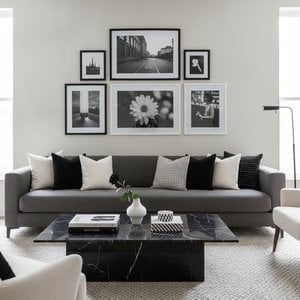
Timeless & Chic: Elevating Your New Home with the Sophistication of Black and White Photography
Transform your new home with the timeless allure of black and white photography. ArtsDot.com specializes in elegant monochrome decor and custom hand-painted wedding portraits that turn cherished milestones into lasting, soulful masterpieces. Elevate your space with ease.