


 Send
Send Del
Del
 Detaljer
 Studieguide til kunstværker

 Download
 Lignende værker
 Se diasshow
 Statistik
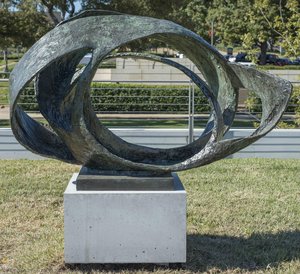
Rhythmic Form


 Læs mere
Kunstværket vist på denne side er beskyttet af ophavsretsloven, hvilket betyder, at vi ikke lovligt kan skabe eller sælge en identisk reproduktion. Denne beskyttelse håndhæves i henhold til internationale aftaler som f.eks. den Bernerkonventionen og af nationale love, herunder de bestemmelser, der er fastlagt i Amerikansk ophavsretslov - Titel 17.
Denne metode overholder fuldt ud ophavsretsreglerne, da den ikke indebærer kopiering eller duplikering af det beskyttede kunstværk. I stedet er der tale om en kreativ nytolkning – et nyt maleri, som er inspireret af det oprindelige, men ikke identisk med det.
Giclée / Kunsttryk
Giclée- eller lærredstryk i museumskvalitet med hurtig produktion og fleksible muligheder for finish. ( Bestil håndmalet reproduktion Skift til digitalt billede)




































Vælg mellem vores forudindstillede størrelser, der matcher kunstværkets originale proportioner.

Indtast den bredde og højde, du har brug for, så det passer til din ramme eller din væg. Et print kan kun beskæres, aldrig gøres større end billedet, så en størrelse med en anden form vil miste en del af motivet. Vi sender dig en digital mockup til godkendelse, før vi printer noget. Billedet vist på denne side viser ikke den faktiske beskæring — det er kun mockuppen, der gør.
Verdensomspændende levering () på 2 uger i stedet for de sædvanlige 4/5 uger. (24 oktober)

Gratis ekspresforsendelse til hele verden

Lærred af linned i høj kvalitet

Komplet transportforsikring

Garanti for refusion af told og importafgifter

Garanti for autentisk farvegengivelse

100 dages returret ved fabrikationsfejl

100% fuld returret

Mængderabat ved flere køb
 Glasmulighed er kun tilgængelig i størrelser under 110 cm

Rhythmic Form
Giclée / Kunsttryk
Reproduktionsstørrelse
-


Samlet pris
Dkr 414
Rhythmic Form: A Dialogue Between Space and Spirit
Barbara Hepworth’s “Rhythmic Form,” created in 1949, stands as a testament to the profound influence of Surrealist ideas on British sculpture during World War II. More than just an aesthetically pleasing object, it embodies Hepworth's unwavering belief that sculpture could translate thought into tangible form—a conviction deeply rooted in her engagement with artists like Arp and Brancusi who championed direct carving and explored the relationship between art and nature. The piece itself is a striking example of Hepworth’s signature style: monumental forms sculpted from wood, meticulously shaped to evoke movement and resonance. Its central hole isn't merely an incision; it’s a deliberate gesture that seeks to unify opposing forces—a visual metaphor for Hepworth’s exploration of duality and balance within the creative process.- Material & Technique: Crafted from Rosewood, “Rhythmic Form” utilizes a technique honed during Hepworth's formative years in Paris – a method characterized by careful consideration of material properties and an intuitive understanding of how form interacts with space. The sculptor’s hand meticulously removes wood shavings to reveal the underlying structure, resulting in a surface that is both smooth and subtly textured.
- Historical Context: Hepworth's work emerged from a period marked by significant artistic experimentation and intellectual ferment. The Unit One group—which included Nicholson, Gabo, and Nash—challenged conventional sculptural approaches, prioritizing abstraction and responding to the anxieties of wartime Britain with an embrace of geometric forms and organic shapes.
- Symbolism & Inspiration: Hepworth drew inspiration from Neolithic Menhirs – monolithic stones erected as memorials to ancient rituals – recognizing their ability to convey timelessness and spiritual significance. She likened her sculptures to these stones, emphasizing the desire for them to “furnish a means of egress for the soul,” reflecting her belief in sculpture’s capacity to transcend mere visual representation.
- Hepworth's Philosophy: Hepworth famously described sculpture as "the plastic projection of thought," highlighting its role in capturing intangible ideas and emotions. She insisted that the work should “put no pressure on anything,” signifying a rejection of didacticism and an affirmation of art’s autonomy—a stance that aligns with her broader philosophical commitment to embracing spontaneity and responding authentically to the material at hand.
- Legacy & Influence: Hepworth's pioneering approach to sculpture continues to inspire artists today, particularly those interested in exploring spatial relationships and investigating the interplay between form and gesture. Her enduring impact is evident in the work of subsequent sculptors who adopted similar techniques and pursued similar conceptual concerns—a legacy cemented by her inclusion in Tate’s collection and celebrated as a cornerstone of British Modernism.
Spørgsmål & svar
Hvor meget lys ser farverne i "Rhythmic Form" ud til at reflektere?
Farverne i "Rhythmic Form" udviser en Luminous luminans.
I hvilket år blev "Rhythmic Form" af Barbara Hepworth skabt?
"Rhythmic Form" af Barbara Hepworth er skabt i 1949.
Hvilken størrelse skal jeg printe "Rhythmic Form" i til mit værelse?
I et Living Room anbefales "Rhythmic Form" i en trykstørrelse på Large.
Lignende kunstværker



Om kunstneren
tidligt liv og uddannelse
Dame Barbara Hepworth, en anerkendt engelsk kunstner og billedhugger, blev født den 10. januar 1903 i Wakefield, Yorkshire. Hun studerede ved Leeds School of Art fra 1920 og vandt senere et amtligt legat til at studere ved Royal College of Art (RCA) i London fra 1921, indtil hun modtog sit diplom i 1924.kunstnerisk karriere
- Dame Barbara Hepworths arbejde er et eksemplar på modernismen, især inden for moderne skulptur. Hun var en af de få kvindelige kunstnere, der opnåede international berømmelse.
- I 1933 var hun med til at grundlægge kunstbevægelsen Unit One sammen med Ben Nicholson, Paul Nash og andre, med det mål at forene surrealisme og abstraktion i britisk kunst.
- Hepworths tidlige arbejde var præget af abstraktion og hendes involvering i den parisiske kunstbevægelse Abstraction-Création.
bemærkelsesværdige værker og udstillinger
- Oval Form (Trezion), en bronzeskulptur, er en del af samlingen på Kimbell Art Museum i Fort Worth, USA. (se på ArtsDot)
- Two Forms, en skulptur, udstilles på The Hepworth Wakefield i Wakefield, Storbritannien. (se på AllPaintings_Store)
- Totem, en marmorskulptur, er også en del af samlingen på The Hepworth Wakefield. (se på ArtsDot)
eftermæle og museumsamlinger
Barbara Hepworths arbejde er vidt anerkendt, og hendes skulpturer og malerier indgår i forskellige museumsamlinger verden over. The Hepworth Wakefield, opkaldt efter kunstneren, huser talrige mesterværker fra berømte kunstnere, herunder Hepworths egne værker. (opdag mere om The Hepworth Wakefield på ArtsDot)konklusion
Dame Barbara Hepworths banebrydende arbejde inden for moderne britisk skulptur har sat et uudsletteligt præg på kunstverdenen. Hendes eftermæle fortsætter med at inspirere både kunstnere og kunstelskere, og hendes værker står som et vidnesbyrd om hendes innovative ånd og kunstneriske geni. læs mere om Barbara Hepworth på Wikipedia
Barbara Hepworth
1903 - 1975 , Storbritannien
Hurtige fakta
- Artistic Movement Or Style: Modernisme
- Artists Or Movements Influenced By This Artist: ['Unit One']
- Artists Who Influenced This Artist: ['Henry Moore']
- Date Of Birth: 10 januar 1903
- Full Name: Jocelyn Barbara Hepworth
- Nationality: britisk
- Notable Artworks:
- Oval Form
- Two Forms
- Totem
- Place Of Birth: Wakefield, Yorkshire
Relaterede artikler

Kandinskys 25 Mesterværker: En Rejse Ind i Abstrakt Kunst | ArtsDot.com
Oplev Kandinskys 25 mest ikoniske værker! Dyk ned i abstrakt kunst, ekspressionisme og farvernes sprog. Find luksus reproduktioner af berømte malerier som 'Komposition VIII' på ArtsDot.com – inspiration til din vægkunst & indretning.

The Enduring Form: Exploring Themes & Techniques in Sculpture Across Historical Periods
Explore the rich history of sculpture from ancient masterpieces to contemporary innovations. Discover key techniques, influential artists & investment potential for discerning art collectors.

Geometrisk Abstraktion: Top 10 Kunstværker der Definerede Bevægelsen | ArtsDot.dk
Oplev de 10 mest ikoniske værker inden for geometrisk abstraktion! Fra Kandinsky til Mondrian – lær historierne bag disse banebrydende kunstnere og deres farverige malerier. Find museumskvalitets reproduktioner & inspiration til din indretning på ArtsDot.dk.

Bronzeskulpturers Mestre: 10 Værker der Ændrede Kunsthistorien | ArtsDot
Oplev de 10 mest legendariske bronzeskulpturer, der har formet kunsthistorien! Fra Rodin til Vigeland – lær historierne bag mesterværkerne og find inspiration til din indretning. Køb museumskvalitets reproduktioner på ArtsDot.com.

Barbara Hepworth: A Sculptural Dialogue with Form, Space & the Human Condition
Explore the profound world of Barbara Hepworth's sculpture. Discover her artistic evolution, iconic forms, and lasting influence on modern art. A guide for collectors & enthusiasts.


