

 Se i rummet
 Del som kort
 Del
Del
 Detaljer
 Guide
Guide

 Download
 Lignende værker
 Røntgenundersøgelse
 Diasshow
 Spørgsmål og svar
 Statistikker
Colored Composition of Forms, 1914


 Vis mere
Giclée / Kunsttryk
Giclée- eller lærredstryk i museumskvalitet med hurtig produktion og fleksible muligheder for finish. ( Køb håndmalet maleri Skift til digitalt billede)




P118B Dkr10

P118H Dkr10

P118W Dkr10

P438Z Dkr10

P508JH Dkr12

P508YH Dkr12

P805H Dkr10

P805Z Dkr10

P919BZ Dkr10

P919G Dkr10

P919XJ Dkr10

P959ZH Dkr10

P968JZ Dkr12

W106C Dkr8

W218G Dkr10

W218JH Dkr8

W218Y Dkr10

W307PJ Dkr10

W316G Dkr10

W316PJ Dkr8

W316Y Dkr10

W398PJ Dkr8

W4111J Dkr10

W500HY Dkr15

W500JH Dkr15

W692G Dkr12

W849H Dkr8

W940BG Dkr15

W953PJ Dkr8




Vælg mellem vores forudindstillede størrelser, der matcher kunstværkets originale proportioner.

Indtast den bredde og højde, du har brug for, så det passer til din ramme eller din væg. Et print kan kun beskæres, aldrig gøres større end selve billedet, så en størrelse med et andet format vil medføre, at dele af motivet går tabt. Vi sender dig en digital mockup til godkendelse, før vi printer noget. Billedet vist på denne side viser ikke den faktiske beskæring — det er kun mockuppen, der gør.
Verdensomspændende levering () på 2 uger i stedet for de sædvanlige 4/5 uger. (13 november)

Gratis ekspresforsendelse til hele verden

Lærred af linned i høj kvalitet

Fuld transportforsikring

Garanti for refusion af told og importafgifter

Garanti for præcis farvegengivelse

100 dages returret ved fabrikationsfejl

100% fuld returret

Mængderabat ved flere køb
 Glasmulighed er kun tilgængelig i størrelser under 110 cm

Colored Composition of Forms, 1914
Giclée / Kunsttryk
Størrelse på reproduktion
-


Samlet pris
Dkr 420
A Burst of Color and Fragmented Form: August Macke’s *Colored Composition of Forms* (1914)
August Macke's Colored Composition of Forms, painted in the tumultuous year of 1914, is a captivating testament to the burgeoning energy of German Expressionism. This vibrant work, dominated by a central tennis racket – a seemingly mundane object elevated to symbolic importance – embodies Macke’s exploration of modern life and his desire to capture fleeting moments of intense feeling. The painting isn't simply a depiction; it’s an emotional resonance rendered in bold color and fractured forms. Created just months before the artist’s untimely death at the age of 27, the work carries with it the weight of a generation poised on the brink of war, reflecting both optimism and a profound sense of unease.
- Subject Matter: The central focus is undeniably the tennis racket, an object associated with leisure, sport, and perhaps even a yearning for escape. However, Macke doesn’t present it as a static subject; rather, it's integrated into a dynamic composition of shapes and objects.
- Style & Technique: Macke employs a technique that blends elements of Post-Impressionism with the nascent principles of Expressionism. Thick impasto brushstrokes build up layers of color, creating a tactile surface and emphasizing the physicality of the paint itself. The fragmented forms contribute to a sense of disorientation and emotional intensity, characteristic of the movement’s exploration of subjective experience.
Color as Emotion: Macke's Palette
Macke’s use of color is utterly crucial to understanding this work. He rejects naturalistic representation in favor of an intensely chromatic approach. The palette – a riot of blues, greens, yellows, and reds – isn’t intended to mimic reality but rather to convey emotion directly. The vibrant hues evoke a sense of energy, excitement, and perhaps even anxiety. Notice how the cooler tones of blue and green are juxtaposed with the warmer shades of yellow and red, creating visual tension and amplifying the painting's emotional impact. This deliberate manipulation of color aligns perfectly with the Expressionist desire to express inner feelings rather than simply depict external appearances.
Symbolic Layers & Historical Context
The inclusion of seemingly random objects – a bowl, a cup, and other scattered items – adds layers of symbolic meaning. These fragments could represent the brokenness of modern life, the anxieties surrounding rapid industrialization, or perhaps even the artist’s own fragmented state of mind. Painted in 1914, a year marked by political instability and impending war, the work resonates with the broader historical context of the time. Macke was deeply concerned with portraying the experiences of ordinary people – particularly children – and his art reflects this social consciousness.
Emotional Impact & Artistic Legacy
Colored Composition of Forms is more than just a visually striking painting; it’s an emotionally charged experience. The dynamic composition, bold colors, and fragmented forms combine to create a powerful sense of movement and energy. Macke's work foreshadowed the key tenets of Expressionism – a focus on subjective emotion, distortion of form, and the use of color as a primary means of expression. It stands as a poignant reminder of a brilliant artist’s tragically short career and his significant contribution to the development of modern art.
Spørgsmål og svar
Hvilke farver dominerer "Colored Composition of Forms, 1914" af August Macke?
Farveidentiteten i "Colored Composition of Forms, 1914" af August Macke: en Earthy palet, domineret af Gray (#567176).
Hvilken kunstretning tilhører "Colored Composition of Forms, 1914" af August Macke?
"Colored Composition of Forms, 1914" er et værk fra German Expressionism. Denne stilart angiver den kunstneriske tradition, som værket indgår i.
Hvor intense er farverne i "Colored Composition of Forms, 1914" af August Macke?
Farverne i "Colored Composition of Forms, 1914" af August Macke har en Balanced intensitet.
Lignende kunstværker


Kunstnerbiografi
Tidligt liv, familie og uddannelse
Historien om August Macke begynder i den tyske by Meschede, hvor han blev født den 3. januar 1887. Han var den eneste søn af August Friedrich Hermann Macke, en entreprenør og amatørkunstner, og Maria Florentine. Hans barndom blev præget af de skiftende økonomiske kår i faderens virksomhed, hvilket førte familien til Köln og senere til Bonn. Allerede som lille dreng var trangen til visuelt udtryk tydelig; han brugte sine tidlige år på at skitsere og designe scenografier til skoleforestillinger, og fandt dermed en måde at oversætte sine omgivelser til papiret på, længe før han overhovedet trådte ind på et formelt akademi.
Hans formelle kunstneriske uddannelse tog for alvor fart, da han ankom til kunstakademiet i Düsseldorf, hvor han studerede fra 1904 til 1906. Under vejledning af Adolf Maennchen lærte han den traditionelle tekniks disciplin, men hans ånd syntes at tørste efter noget mere ekspansivt. Denne rastløshed førte ham til at søge yderligere viden gennem aftenskole hos Fritz Helmut Ehmke. Hans sult efter at forstå håndværket drev ham mod Berlin, hvor han studerede under den tyske maler Lovis Corinth. Disse år med intensiv træning lagde det tekniske fundament, som han senere ville bygge sit unikke visuelle sprog på, idet han bevægede sig væk fra de stramme rammer i sin tidlige undervisning mod en mere personlig måde at se verden på.
Den franske modernismes indflydelse
Parisergaderne udøvede en kraftfuld tiltrækningskraft på den unge kunstner og trak ham væk fra de traditionelle rammer, han var blevet formet i under sin uddannelse. Under sit første besøg i byen i 1907 blev han dybt bevæget af impressionisternes malerier. Han begyndte at efterligne deres tilgang og søgte at indfange lysets leg gennem subtilt plettede farver. Dette var ikke blot en flygtig interesse; han vendte tilbage til Paris med jævne mellemrum mellem 1907 og 1912, hvilket lod den franske hovedstads atmosfære omforme hans perception af lærredet.
Et transformativt øjeblik indtraf i 1912, da han mødte Robert Delaunay. Dette møde viste sig at være en åbenbaring, der fundamentalt ændrede retningen for hans arbejde. Han blev dybt påvirket af Delaunays kromatiske kubisme, en stil der fokuserede på farvens og lysets rytme. Denne tilgang, som ofte forbindes med orphismen, opmuntrede ham til at bevæge sig mod en mere dynamisk og ikke-repræsentativ måde at se på. Han begyndte at eksperimentere med brudte farveflader i et forsøg på at oversætte det moderne livs fornemmelser til et sprog af rent lys og form.
Medlemskab af Der Blaue Reiter
Mackes livsbane ændrede sig markant i 1909, da han ankom til München. Det var her, han mødte Franz Marc, et møde der skulle tænde gnisten til et dybt og varigt venskab. Denne forbindelse trak ham ind i en cirkel af tænkere og skabere, der søgte at bevæge sig ud over den rene efterligning af naturen. Ved 1911 var Macke blevet et ledende medlem af den indflydelsesrige ekspressionistiske gruppe kendt som Der Blaue Reiter. Han var ikke blot en deltager i bevægelsen; han var med til at forme dens selve ånd ved at bidrage til dens udstillinger og spredningen af dens radikale idéer.
Hans position i denne avantgardistiske cirkel blev styrket af hans tætte bånd til andre af tidens lysende skikkelser. Han delte et dybt bånd med Marc og Paul Klee, og i deres selskab fandt han en fælles stræben efter det spirituelle og det emotionelle. Selv mens han bevægede sig gennem modernismens skiftende landskaber, hjalp hans interaktioner med skikkelser som Robert Delaunay med at forfine hans unikke perspektiv. Hvor andre i gruppen ofte udforskede mørkere eller mere angstfyldte temaer, søgte Macke en følelse af harmoni og skønhed. Han betragtede verden og så et sted fyldt med lys og glæde, selvom Europas politiske skygger var begyndt at blive længere.
Kunstnerisk teknik og stil
August Macke søgte at indfange en scenes indre ånd snarere end blot tingenes overflade. Hans penselstrøg bevægede sig væk fra den objektive gengivelse af virkeligheden og valgte i stedet at udtrykke dybtliggende følelser og stemninger. For at opnå dette forvrængede han ofte både farve og form, så den fysiske verden bøjede sig efter hans emotionelle behov. Hans kompositioner lænede sig ofte op ad dristige farver og geometriske former, hvilket skabte en følelse af struktur midt i hans subjekters ekspressive foranderlighed. Han fandt en måde at væve den italienske futurismes dynamik ind i sine kompositioner på, hvilket besjælede hans scener med en følelse af bevægelse og moderne energi.
Denne stræben efter lys og farve nåede sit højdepunkt under hans rejser til Nordafrika. Hans tunesiske akvareller fra 1914 afslører en exceptionel beherskelse af farver, der indfanger regionens intense og skiftende lys. I disse værker synes pigmenterne at pulsere med et liv af sig selv, hvor de bevæger sig ud over den simple repræsentation mod en mere lysende, spirituel essens. Han malede ikke blot landskabet; han malede selve fornemmelsen af at være midt i det.
- Türkisches Café
- Market in Algiers
Værk og mesterværker
I takt med at hans kunstneriske vision modnedes, begyndte August Macke at indfange det moderne livs stille rytmer gennem et prisme af intense farver. I 1913 skabte han Woman in a Green Jacket, et værk der udstråler en særlig vitalitet gennem sin dristige palet og selvsikre penselstrøg. Hans fascination af samspillet mellem lys og urbanitet førte ham til at skabe Large Bright Shop Window, hvor han udforskede, hvordan lyset filtreres gennem glas. Han rettede ofte sit blik mod eksistensens enkle glæder, som det ses i Bathing girls with town in the backgraund, hvor han søgte at skildre en følelse af idyllisk ro gennem forenklede former.
Livets sidste periode, formet af hans rejser til Nordafrika, bragte en helt ny luminans til hans lærreder. Hans ophold i Tunesien resulterede i en række værker, som mange betragter som hans største bedrifter, mest bemærkelsesværdigt Türkisches Café. Denne periode frembragte også Market in Tunis, et værk der senere indbragte 4,1 millioner dollars (£2,86 millioner) ved en auktion i år 2000. Selv mens krigens skygger begyndte at lure, fortsatte han med at finde skønhed i de intime øjeblikke, som i The Couple at a Garden Table, der blev solgt for 2 millioner pund ved en Christie's auktion i 1997.
- 1913: Woman in a Green Jacket
- 1914: Market in Tunis
- 1914: The Couple at a Garden Table
De sidste år og den tragiske død
Året 1914 bragte et pludseligt skift i det lys, som Macke så passioneret søgte at indfange. I foråret rejste han til Tunis i Tunesien, ledsaget af Paul Klee og Louis Moilliet. Denne ekskursion gav ham mulighed for at opleve en helt anden form for solskin, hvilket satte et dybt præg på den luministiske tilgang, der kom til at definere hans sidste periode. Men da han vendte tilbage, mødte han et Europa, der var i færd med at styrte ud i kaos. I takt med at den første måned af Den Store Krig svandt ind, blev kunstneren uundgåeligt trukket ind i konfliktens mørke. Drevet af en følelse af pligt meldte han sig frivilligt til militærtjeneste.
Døden indtraf med en rystende hastighed. Allerede i det andet måned af Første Verdenskrig faldt Macke i kamp ved fronten i Frankrig. Han mistede livet nær Perthes-lès-Hurlus den 26. september 1914, kun 27 år gammel. Hans død indtraf netop på det tidspunkt, hvor hans kunstneriske sprog var ved at nå et nyt niveau af klarhed og lysstyrke. Det pludselige tab efterlod et tomrum i de tyske avantgarde-kredse og satte en brat stopper for en karriere, der var blevet defineret af en rastløs og søgende ånd.
Arv og indflydelse
Selvom hans tid i lyset var kort, er den indvirkning, August Macke efterlod på det tyvende århundredes store kunstbevægelser, fortsat dyb og mærkbar. Han sikrede sin plads i historien som en betydningsfuld skikkelse inden for ekspressionismen ved at tilbyde et perspektiv, der ofte søgte harmoni, hvor andre kun fandt disharmoni. Hans evne til at syntetisere samtidens radikale idéer til et personligt sprog sikrede, at hans vision ikke gik tabt i skyggerne fra Den Store Krig.
Tyngden af hans bidrag blev formelt anerkendt længe efter hans død, hvilket førte til etableringen af August Macke-prisen i 1959. Denne ære fortsætter med at hylde ånden i hans kreative udforskning. Selv i dag mærkes hans nærvær i den måde, hvorpå nutidige kunstnere fortsat udforsker de dybe forbindelser mellem farve og menneskelig emotion. Han lærte os, at lys og nuance kan tale om sjælens indre tilstand – en lære, der fortsat genlyder gennem årtierne.
Hvor man kan opleve værkerne i dag
For at vandre gennem de rum, hvor hans ånd stadig dvæler, kan man rejse til Bonn i Tyskland. Her står August Macke-Haus som et dedikeret fristed, der bevarer mindet om manden inden for de selvsamme mure, hvor han engang levede og arbejdede. Det var i dette hus, han fandt sit atelier, et rum der lod hans kreative energi blomstre, før krigens skygger greb ind. I nærheden findes også Kunstmuseum i Bonn, som huser hans malerier og sikrer, at hans vision forbliver tilgængelig for dem, der søger det lys, han så omhyggeligt indfangede.
Hans nærvær mærkes på tværs af mange grænser, båret frem i samlingerne hos store institutioner. I Köln huser Museum Ludwig hans værker, mens Museum Folkwang i Essen bevarer hans lærreder, så offentligheden kan betragte dem. Man kan også finde hans spor i Staatsgalerie Moderner Kunst i München, hvor hans farver fortsat taler fra rammerne. Selv i Zürich opretholder Kunsthaus Zürich en del af hans eftermæle ved at besidde malerier, der reflekterer hans unikke måde at se verden på.
- Bathing girls with town in the backgraund (omkring 1913)
- Woman in a Green Jacket (1913)
- Landscape with Cows and Camel (1914)
- Türkisches Café (1914)

August Macke
1887 - 1914 , Tyskland
Kort om kunstneren
- Artistic Movement Or Style: Ekspressionisme, Fauvisme, Orphisme, Kubisme
- Artists Or Movements Influenced By This Artist: ['Samtidige kunstnere']
- Artists Who Influenced This Artist:
- Robert Delaunay
- Adolf Maennchen
- Lovis Corinth
- Date Of Birth: 1887
- Date Of Death: 1914
- Full Name: August Robert Ludwig Macke
- Nationality: Tysk
- Notable Artworks:
- Kvinde i en grøn jakke
- Badende piger med by i baggrunden
- Türkisches Café
- Landskab med køer og kamel
- Place Of Birth: Meschede, Tyskland
Relaterede artikler

Chromatic Narratives: Exploring Emotional Resonance & Artistic Impact Through Color Palette Selection
Explore the profound impact of color on emotion & artistic expression. Discover how master artists like Klee & Matisse used palettes to evoke feeling and build lasting legacies. A guide for discerning art collectors.

August Macke: Expressionist Visions of Harmony & Modern Life
Explore the vibrant Expressionist paintings of August Macke (1887-1914). Discover his key role in Der Blaue Reiter, Fauvist influences, and captivating depictions of modern life. A comprehensive guide for art enthusiasts & collectors.

Echoes of a World on the Brink: Trauma & Transformation in 1914 Art
Explore how artists responded to the trauma of World War I in 1914. Discover modernism's emergence, symbolic representations of loss, and the enduring legacy of a world forever changed. Expert analysis & insights.
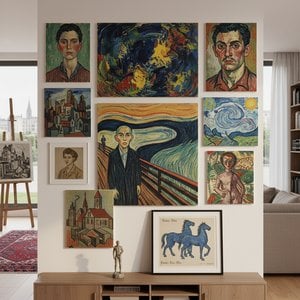
Top 10 Ekspressionistiske Mesterværker: Kunst der Rører Sjælen – ArtsDot.dk
Oplev de 10 mest ikoniske ekspressionistiske malerier! Fra Munchs Skrig til Kandinskys abstraktion – dyk ned i kunstens sjæl og intensitet. Find museumskvalitets reproduktioner & inspiration til din indretning på ArtsDot.com

25 Masterpieces by Franz Marc: The Soul of German Expressionism
Immerse yourself in the vibrant world of Franz Marc. Explore 25 iconic German Expressionist masterpieces, from symbolic blue horses to spiritual landscapes. Find inspiration for museum-quality art reproductions and decor. Discover all masterpieces on ArtsDot.com.


