


 Se i fuld skala
 Del
Del Del
Del
 Detaljer

 Download
 Lignende værker
 Røntgenundersøgelse
 Diasshow
 Statistik
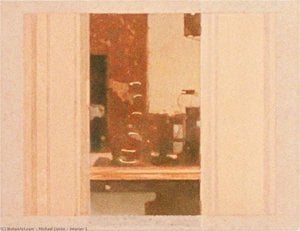
Splitting the Subject


 Se mere
Håndlavet oliereproduktion
Håndmalet olie på lærred i din valgte størrelse og ramme, udført efter bestilling af vores kunstnere. ( Skift til print Skift til digitalt billede)




































Vælg mellem vores forudindstillede størrelser, der matcher kunstværkets originale proportioner.

Du kan indtaste dine egne mål for at passe til en bestemt ramme eller plads. Hvis den valgte størrelse ikke stemmer overens med det originale billedes proportioner, vil vi enten beskære kunstværket eller udvide maleriet med yderligere håndmalede elementer. En digital skitse sendes til din godkendelse, før produktionen påbegyndes.
Bemærk venligst, at forhåndsvisningen på skærmen ikke afspejler den faktiske beskæring eller udvidelse. Kun skitsen vil nøjagtigt vise den endelige komposition.
Selvom specialmål er mulige, anbefaler vi at vælge en dimension fra den foruddefinerede liste for at bevare de originale proportioner.
Efter bestilling vil ArtsDot.com team sende en e-mail til kunden for at få instruktioner og levere et udkast til en skitse.
Levering i hele verden () på 3/4 uger i stedet for de standard 5 uger. (11 september). Ingen kompromiser med kvaliteten.

Gratis ekspresforsendelse til hele verden

Lærred af linned i høj kvalitet

Fuld transportforsikring

Garanti for refusion af told og importafgifter

Garanti for præcis farvegengivelse

100 dages returret (kun ved fejl og mangler)

100% Tilfredshedsgaranti

Mængderabat tilgængelig
 Glasmulighed er kun tilgængelig i størrelser under 110 cm

Splitting the Subject
Reproduktionsmetode
Størrelse på reproduktion
-


Samlet pris
$ 263
Lignende kunstværker




Kunstnerens biografi
Anita Dube: Sculptural Fragments and Social Memory
Anita Dube (born November 28, 1958) is an Indian contemporary visual artist and art critic whose work has captivated audiences worldwide. Born in Lucknow, India, her artistic journey began with a rigorous grounding in art history at Baroda University, shaping her perspective on the intersection of personal experience and broader societal concerns – a core element that defines her distinctive creative approach. Her affiliation with the Baroda Artists’ Group, formed in 1987, solidified this commitment to radical expression, prioritizing social and political consciousness within artistic practice.- Early Influences: Dube's formative years were marked by exposure to the avant-garde movements of India, particularly the influence of artists like Sunil Gupta and Ranbir Singh Bose, who championed conceptual art and challenged traditional aesthetic conventions.
- Education & Training: Her studies at Baroda University provided her with a foundational understanding of Western art history alongside an exploration of Indian artistic traditions, fostering a synthesis that informs her visual language.
- The Baroda Artists’ Group: Joining this influential collective propelled Dube into the forefront of India's contemporary art scene, where she collaborated with fellow artists to develop a deliberately provocative stance against established norms and hierarchies.
Conceptual Sculpture and Fragmented Narratives
Dube’s artistic practice centers around sculptural fragments – objects that retain traces of their original form while simultaneously hinting at lost histories and unspoken narratives. She skillfully employs materials like plaster, resin, and fabric to create evocative pieces that explore themes of memory, loss, and the complexities of identity. Her sculptures aren't merely aesthetically pleasing; they serve as conduits for conveying profound emotional resonance and prompting contemplation about cultural heritage.- Material Exploration: Dube’s masterful manipulation of materials—particularly plaster—allows her to capture subtle textures and imperfections that amplify the sculptural form’s expressive potential.
- Symbolic Representation: Recurring motifs in her work – often referencing mythological figures or archetypal imagery – contribute to a layered visual vocabulary that speaks to universal human experiences.
- Spatial Composition: Her sculptures are carefully positioned within spaces, inviting viewers to engage with them on an experiential level and fostering dialogue about their significance.
Notable Works & Exhibitions
Dube’s artistic output has garnered critical acclaim and appeared in prestigious exhibitions across India and internationally. Among her most celebrated pieces include “Splitting the Subject,” a photographic study of an attic’s light and shadow that utilizes diagonal composition to convey a sense of disorientation and melancholy; "Untitled (DD3AQQ)," a collaborative installation with cr nanaiah featuring pink strings and geometric paving, designed to evoke meditative contemplation; and “Silence (Blood Wedding),” which investigates themes of repression and vulnerability through sculptural form. Her commitment to social engagement extends beyond her artistic endeavors, as she actively supports initiatives aimed at empowering underprivileged children in Delhi and advocating for the rights of individuals with disabilities.Legacy & Significance
Anita Dube’s contribution to Indian contemporary art is undeniable. She has championed a distinctive aesthetic rooted in conceptual exploration and imbued with social responsibility—a paradigm shift from conventional artistic representations. Her work continues to inspire artists and scholars alike, demonstrating the power of art to confront difficult truths and foster empathy for diverse perspectives. Furthermore, her dedication to educational outreach underscores her belief that creativity can serve as a catalyst for positive change within communities.
Anita Dube
1958 - , India
Kort om kunstneren
- Artistic Movement Or Style: Contemporary Art
- Artists Or Movements Influenced By This Artist: ['Radical Indian Art']
- Artists Who Influenced This Artist: ['cr Nanaiah']
- Date Of Birth: November 28, 1958
- Full Name: Anita Dube
- Nationality: Indian
- Notable Artworks:
- Splitting the Subject
- Untitled (DD3AQQ)
- Silence (Blood Wedding)
- Place Of Birth: Lucknow, India
Relaterede artikler
Witnessing History Through Lens & Light: Documentary Photography's Enduring Legacy
Explore the powerful history of documentary photography – from its origins to contemporary masters like Gordon Parks & W. Eugene Smith. Discover how this art form shapes our understanding of society and witness pivotal moments in time.

Beyond the Lens: Photography's Enduring Influence on Modern & Contemporary Art
Explore photography's pivotal role in shaping modern & contemporary art. Discover key movements, influential artists like Stieglitz, and expert collecting advice from ArtsDot.

Monochrome Visions: Exploring the Aesthetic & Historical Significance of Black & White Photography
Explore the rich history & artistic power of black and white photography. From early techniques to iconic masters like Ansel Adams, discover why monochrome continues to captivate art lovers today. Expert insights for collectors.

Dokumentarfotografiets Mestre: Top 10 Værker der Ændrede Kunsten – ArtsDot.dk
Oplev de 10 mest indflydelsesrige værker inden for dokumentarfotografiet. Lær historierne bag ikoniske billeder og kendte fotografer. Find museumskvalitets kunsttryk & inspiration til din bolig på ArtsDot.com – udforsk samlingen online!
Pictorialism: A Search for Artistic Photography's Soul – Aesthetics, Techniques & Legacy
Explore the captivating world of Pictorialism – a pivotal movement that transformed photography into fine art. Discover key artists like Stieglitz & Käsebier, techniques, and collecting tips from experts.