


 Zobrazit v interiéru
 Odeslat
 Sdílet
 Podrobnosti
 Průvodce

 Stáhnout obrázek
 Podobné kousky
 Rentgenové snímky
 Slideshow
 Statistiky
Svatba u Kana
 Olej na plátně
- Obrazová tvorba na stěnu
- Flemish Renaissance
 1500
1500- Renesance
 100.0 x 128.0 cm
 Louvr
Louvr
 Přečíst si více
Giclée / Umělecký tisk
Giclée nebo plátěný tisk muzeální kvality s rychlou výrobou a širokou nabídkou povrchových úprav. ( Objednat ručně malovanou reprodukci Přepnout na digitální verzi obrazu)




P118B Kč10

P118H Kč10

P118W Kč10

P438Z Kč10

P508JH Kč12

P508YH Kč12

P805H Kč10

P805Z Kč10

P919BZ Kč10

P919G Kč10

P919XJ Kč10

P959ZH Kč10

P968JZ Kč12

W106C Kč8

W218G Kč10

W218JH Kč8

W218Y Kč10

W307PJ Kč10

W316G Kč10

W316PJ Kč8

W316Y Kč10

W398PJ Kč8

W4111J Kč10

W500HY Kč15

W500JH Kč15

W692G Kč12

W849H Kč8

W940BG Kč15

W953PJ Kč8




Vyberte si z našich přednastavených velikostí, které odpovídají původním proporcím díla.

Zadejte šířku a výšku, které potřebujete pro váš rám nebo stěnu. Tisk lze pouze oříznout, nikdy však nelze zvětšit obraz nad jeho původní rozměr, proto při výběru jiného formátu dochází ke ztrátě části obrazu. Před samotným tiskem vám zašleme digitální náhled k schválení. Obraz zobrazený na této stránce nenabízí skutečný výřez — ten uvidíte pouze v náhledu.
Celosvětové doručení () do 2 týdnů namísto standardních 4/5 týdnů. (21 říjen)

Zdarma celosvětová expresní doprava

Vysoce kvalitní lněné plátno

Úplné pojištění přepravy

Záruka vrácení celního poplatku

Záruka věrného barevného shodu

100dení lhůta pro vrácení zboží (pouze při vadách výroby)

100% garance vrácení peněz

Sleva při více objednávkách
 Skleněná varianta je dostupná pouze u rozměrů menších než 110 cm

Svatba u Kana
Giclée / Umělecký tisk
Velikost reprodukce
-


Celková cena
Kč 1318
Úvod: Zázrak v barvách a světle
Gérard Davidův obraz „Svatba u Kana“ je fascinující dílo, které přenáší diváka do srdce 16. století, konkrétně do bohaté a živé atmosféry severoitalské renesance. Nejedná se o pouhý náčrt události z Nového zákona; Davidův obraz zachycuje komplexní sociální a duchovní kontext, který je obohacen o hlubokou symboliku a mistrné technické provedení. Je to obraz, který vyvolává emoce, přitahuje pohled a nutí k zamyšlení nad jeho bohatými vrstvami významu.
Původně namalovaný pro španělského obchodníka Jana de Sedana, tento panelový obraz je ukázkou Davidovy schopnosti spojovat náboženské motivy s osobními portréty a detailním zobrazením každodenního života. Je to obraz, který se stal symbolem bohatství, oslavy a duchovního probuzení.
Historický kontext a autor: Mistr světla a detailu
Gérard David (1460-1523) byl jedním z nejvýznamnějších představitelů florentské renesance, známý především pro svou schopnost zachytit jemné nuance světla a barvy. Jeho dílo se vyznačuje precizností detailů, hlubokou znalostí anatomie a perspektivy, a také inovativním přístupem k krajině – David byl jedním z prvních malířů, kteří v obrazu začlenili realistické a dynamické krajinné pozadí. Davidova tvorba se vyznačuje kombinací náboženských motivů s lidským životem, což je patrné i v „Svatbě u Kana“.
Obraz byl objednán pro rodinu Jana de Sedana, a proto obsahuje portréty jeho rodiny – mladého muže, který se zdá být služební, a další členy rodiny. Davidova práce je obklopena záhadou; jeho život je spíše legendární než historicky podložený, což dodává jeho dílu zvláštní mystiku.
Technika a styl: Osvětlená složitost
„Svatba u Kana“ je mistrovským příkladem flemingské renesance. David používá bohatou, teplou paletu barev – hnědé, červené, zelené a zlaté odstíny – které vytvářejí útulnou a živou atmosféru. Důraz je kladen na detailní zobrazení textilních materiálů, kovových předmětů a dokonce i drobných prvků, jako jsou květiny a ovoce. Davidova technika se vyznačuje jemným, difuzním osvětlením, které dodává obrazu hloubku a realističnost. Používá sofistikované perspektivní techniky, aby vytvořil iluzi prostoru a zprostředkoval pocit, že divák je přítomen v místnosti.
Zároveň David mistrně pracuje s kompozicí – složitě uspořádává postavy kolem centrálního stolu, který je plný jídla a nápojů. Dynamika obrazu je zvýrazněna různými pózami postav, které vytvářejí dojem živé a pulzující oslavy.
Symbolismus a emocionální dopad: Oslava života a víry
„Svatba u Kana“ není jen biblická scéna; je to obraz, který zkoumá široké spektrum témat. Zobrazuje radost svatby, generozitu hostitelů, důležitost komunity a spojení mezi lidmi. Přítomnost Ježíše Krista a Panny Marie zdůrazňuje duchovní význam události. Barva červená, kterou nosí nevěsta, symbolizuje lásku, štěstí a nový život. Davidova schopnost zachytit emoce postav je pozoruhodná – obraz vyvolává pocit radosti, pohody a hlubokého náboženského zážitku.
Pro ty, kteří hledají umělecké dílo s bohatou historií, komplexním symbolism a mistrným provedením, je „Svatba u Kana“ bezkonkurenční volbou. Je to obraz, který bude přinášet radost a inspiraci po mnoho let.
Otázky a odpovědi
Jak harmonické jsou barvy díla „Svatba u Kana“ od Gerard David?
Barvy díla „Svatba u Kana“ od Gerard David vykazují Paleta jemných tónů harmonii. Harmonie popisuje vzájemný vztah barev k sobě navzájem.
Co zachycuje dílo „Svatba u Kana“ od Gerard David a jakou náladu vyvolává?
„Svatba u Kana“ od Gerard David zachycuje wedding, cana, renaissance, flemish, mary, jesus, feast, family v Klasické náladě. Předmět a atmosféra dohromady definují toto dílo.
Nachází se dílo "Svatba u Kana" v zemi svého autora?
Ne – dílo se nachází v zahraničí. Dílo „Svatba u Kana“ je uloženo v zemi France, zatímco Gerard David se narodil(a) v zemi Nizozemsko.
Související díla


Biografie umělce
A Master of Flemish Light: The Enigmatic World of Gerard David
Gerard David, a name that resonates with the brilliance of early Netherlandish painting, remains an artist shrouded in intriguing mystery. Born around 1460 in Oudewater, Netherlands, his life story is pieced together from fragmented archival records and the eloquent testimony of his art. Unlike some contemporaries whose lives are richly documented, David’s personal narrative is sparse, allowing his paintings to speak volumes where biographical details fall silent. What is known suggests a remarkably successful career, likely managing workshops in both Antwerp and Bruges – centers of artistic innovation during the Renaissance. His reputation experienced an ebb in the 17th century, only to be gloriously resurrected by 19th-century art historians who recognized his unique contributions to the Northern Renaissance. He was inducted as a free master into the Corporation of Imagemakers and Saddlers in Bruges in 1484, marking a pivotal moment in his ascent. His later involvement with the Antwerp guild in 1515 further solidifies his standing within the artistic community.Formative Influences and Artistic Development
David’s artistic journey began under influences that shaped the very foundation of his style. Early works reveal a clear debt to painters like Jacob Janszoon, Dieric Bouts, and Geertgen tot Sint Jans – masters who instilled in him a meticulous attention to detail and a sensitivity to religious narrative. It is believed he spent time in Haarlem absorbing these lessons before relocating to Bruges, a vibrant hub of artistic exchange attracting talent from across Europe. Here, David encountered the masterpieces of Jan van Eyck, Rogier van der Weyden, and Hans Memling, absorbing their techniques while forging his own distinct path. He didn’t merely imitate; he synthesized these influences into something uniquely his own – a style characterized by luminous color, serene compositions, and an increasingly sophisticated understanding of landscape. His early paintings demonstrate this evolution, moving from the doll-like figures reminiscent of Haarlem traditions towards more sculptural forms grounded in their environment. Consider *Christ Nailed to the Cross*; it’s not simply a depiction of suffering but a study in volume and light, reflecting Bouts' spatial construction combined with David’s burgeoning coloristic sensibility. This transition is further evident in his early depictions of the Virgin Mary, moving away from the stylized poses of earlier masters towards a more naturalistic portrayal.Innovation in Landscape and Religious Narrative
Gerard David’s artistic signature lies in his innovative approach to both landscape and religious subject matter. He wasn't simply depicting backgrounds; he was creating immersive environments that enhanced the emotional resonance of his scenes. His landscapes are not merely decorative, but integral components of the narrative, often imbued with symbolic meaning. This fascination with natural settings – dense forests, rolling hills, expansive skies – set him apart from many of his contemporaries and foreshadowed the development of landscape painting as an independent genre. His *View in a Forest*, part of a triptych, exemplifies this approach. It’s not simply a representation of trees; it's a world unto itself, rendered with meticulous detail and atmospheric perspective – capturing the dappled light filtering through the branches and creating a sense of depth and mystery. Within his religious works, David demonstrated a remarkable ability to convey both profound spirituality and human emotion. Paintings like *The Marriage of St. Catherine* exemplify this skill. The scene is rendered with exquisite detail, yet it’s the subtle expressions on the figures' faces – their piety, contemplation, or gentle joy – that truly captivate the viewer. He possessed a gift for imbuing his sacred subjects with a sense of quiet dignity and relatable humanity. The *Triptych of the Madonna Enthroned and Saints* in Genoa showcases this mastery, presenting a harmonious composition filled with vibrant color and delicate detail. The use of perspective and the integration of figures within the landscape create a powerful sense of realism and emotional depth. His *Virgin Among the Virgins*, donated to the Carmelite nuns of Sion at Bruges, is another testament to his skill, featuring a self-portrait within the painting itself – a rare and intimate gesture from an artist of his time, suggesting a personal connection between the creator and his subject.Major Achievements and Artistic Style
David’s career spanned several decades, during which he produced a remarkable body of work that established him as one of the leading artists of his generation. He was particularly renowned for his altarpieces – monumental works that combined religious narrative with intricate landscapes and detailed figures. The *Judgment of Cambyses* (two panels) and the triptych of the *Baptism of Christ* in Bruges are prime examples of his skill and ambition. These paintings demonstrate his mastery of color, composition, and perspective, as well as his ability to create a sense of drama and emotion. His style is characterized by a luminous palette, often employing rich reds, blues, and golds. He paid meticulous attention to detail, rendering fabrics, textures, and facial expressions with remarkable accuracy. Furthermore, David was one of the first Northern Renaissance painters to incorporate elements of Italian Renaissance art into his work, particularly in his use of perspective and the depiction of classical figures. His later works show a shift towards greater simplification and abstraction, reflecting the influence of artists like Ambrosius Benson, who worked as his assistant.Legacy and Enduring Influence
Though his fame waned for a period after his death in 1523, Gerard David’s influence on subsequent generations of artists is undeniable. His innovative use of color, his masterful handling of light and shadow, and his pioneering approach to landscape all left an indelible mark on the development of Flemish painting. He paved the way for artists who would further explore the expressive potential of natural settings, such as Jacob Patinir and Jacob van Ruisdael.- A Bridge Between Traditions: David successfully bridged the gap between the late medieval tradition and the emerging Renaissance style.
- Influence on Landscape Painting: His detailed and atmospheric landscapes foreshadowed the development of landscape as a distinct genre.
- Masterful Colorist: He was renowned for his vibrant palette and skillful use of color to create emotional impact.
Exploring Further
- ArtsDot.com: Discover an extensive collection of Gerard David’s paintings, including *The Adoration of the Magi*.
- View in a Forest: Explore this stunning Northern Renaissance landscape painting.
- The Early Netherlandish Art Movement: Delve deeper into the artistic context of David’s work.

Gerard David
1450 - 1523 , Nizozemsko
Rychlé informace
- Artistic Movement Or Style: Raně netherlandská malba
- Artists Or Movements Influenced By This Artist: ['Italská renesance']
- Artists Who Influenced This Artist:
- Jacob Janszoon
- Dieric Bouts
- Geertgen tot Sint Jans
- Date Of Birth: c. 1460
- Date Of Death: 1523
- Full Name: Gerard David
- Nationality: Nizozemec
- Notable Artworks:
- Svatba sv. Kateřiny
- Madona na trůně
- Vzhled v lese
- Place Of Birth: Oudewater, Nizozemsko
Související články
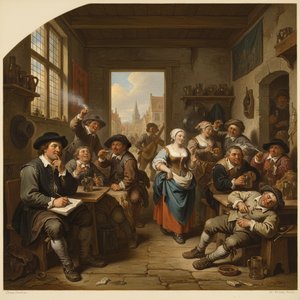
David Teniers the Younger: Genre Painting & Social Commentary in Baroque Flanders
Explore the captivating world of David Teniers the Younger, a leading Flemish Baroque painter. Discover his genre scenes, social commentary, and lasting influence on 17th-century art. Learn about his life, techniques & legacy.

Gerard David: Bridging Late Medieval Tradition with Early Renaissance Humanism
Explore the captivating world of Gerard David, a pivotal figure bridging late medieval artistry with the Early Renaissance. Discover his innovative techniques, religious masterpieces, and enduring legacy – a must-read for discerning art collectors.

David Bomberg: Reassessing the Pioneering Spirit of Early British Abstraction
Explore the groundbreaking work of David Bomberg, a pivotal figure in British abstraction. Discover his artistic evolution, influences, and lasting legacy through insightful analysis & expert commentary.
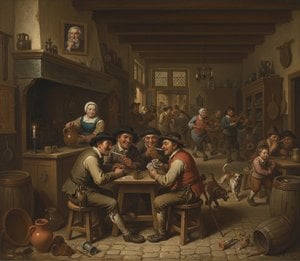
David Teniers II: Master of Flemish Genre & Social Commentary
Explore the captivating world of David Teniers II, a leading Flemish Baroque painter renowned for his lively genre scenes & insightful social commentary. Discover his masterpieces and legacy with ArtsDot.

Jacques-Louis David: Neoclassical Ideals & Revolutionary Witness
Explore the life & art of Jacques-Louis David, leading Neoclassical painter of the French Revolution. Discover iconic works like 'The Death of Marat' and his lasting impact on art history. Expert analysis & high-quality reproductions at ArtsDot.


