

- 141.0 x 100.0 cm


Obraz odpovídá vašim volbám: , .
Popis sbírného předmětu
Experience Gerard David’s profoundly emotive ‘Crucifixion,’ a masterpiece of Northern Renaissance art showcasing dramatic chiaroscuro and meticulous detail from 1515. Admire this iconic depiction of Christ's sacrifice, perfect for collectors seeking timeless religious beauty.
 Zobrazit více
Biografie umělce
Gerard David (1460-1523) byl významný vlámský malíř, známý svými živými barvami a detailními náboženskými obrazy s inovativnímpojemem krajiny. Jeho díla jsou klíčová pro ranou severoevropskou malbu.
Ručně malovaná olejová reprodukce
Rukou malované olejné plátno v libovolném rozměru i s rámem, vyrobené našimi umělci na zakázku. ( Přepnout na tisk Přepnout na digitální obraz)
Více informací o tomto obrazu
 Náhled v interiéru
 Sdílet
 Sdílet
 Podrobnosti o díle
 Průvodce

 Stáhnout
 Podobné položky
 Rentgenové snímky
 Slideshow
 Otázky a odpovědi
 Statistiky
Objednejte si svůj obraz ve čtyřech jednoduchých krocích
Nespěchejte. Každou odpověď můžete změnit; cena v košíku se bude přizpůsobovat každé vaší volbě.
1 První krok ze čtyř
Jakou velikost si přejete?
Tyto velikosti zachovávají proporce původního obrazu. Návrh ukazuje vaši volbu na stěně nad dvumetrovou pohovkou.
nebo zadejte vlastní rozměry
Vyberte si z našich přednastavených velikostí, které odpovídají původním proporcím díla.

Zadejte šířku a výšku, které potřebujete pro váš rám nebo stěnu. Protože se jedná o ruční malbu, při výběru jiného formátu může umělec kolem obrazu domalovat o něco více, nebo jej mírně oříznout — rozhodnete si vy. Před zahájením malby vám zašleme digitální náhled ke schválení. Obraz zobrazený na této stránce neodpovídá skutečnému výsledku — pouze digitální náhled jej zobrazuje.
2 Druhý krok ze čtyř
Jak by mělo být připraveno: srolované, na plátno natažené nebo v rámu?
Ceny níže platí pro rozměr, který jste si zvolili v prvním kroku.
Vyberte si okraje plátna
Vyberte si rámeček

Bílé okraje Kč1

Rozostřené okraje Kč1

Prodloužené okraje Kč1

P118B Kč10

P118H Kč10

P118W Kč10

P438Z Kč10

P508JH Kč12

P508YH Kč12

P805H Kč10

P805Z Kč10

P919BZ Kč10

P919G Kč10

P919XJ Kč10

P959ZH Kč10

P968JZ Kč12

W106C Kč8

W218G Kč10

W218JH Kč8

W218Y Kč10

W307PJ Kč10

W316G Kč10

W316PJ Kč8

W316Y Kč10

W398PJ Kč8

W4111J Kč10

W500HY Kč15

W500JH Kč15

W692G Kč12

W849H Kč8

W940BG Kč15

W953PJ Kč8

H24-GOLD Kč30

H24-SILVER Kč30

H36-GOLD Kč45

H36-SILVER Kč45
V rámu
Profil: . Celkové rozměry včetně rámu: .
3 Třetí krok ze čtyř
Přejete si v malbě něco změnit?
Většina lidí odpoví ne. Protože každý obraz je vytvořen ručně, náš umělec jej pro vás může také upravit.
Po přijetí objednávky vám tým ArtsDot.com pošle e-mail s instrukcemi a poskytne náhled návrhu
4 Čtvrtý krok ze čtyř
Několik možností provedení
Všechny jsou volitelné. Již zvolené odpovědi nesepisují žádné dodatečné náklady.
Kdo je autor?
Celosvětová doprava () za 3–4 týdny namísto standardních 5 týdnů. (11 listopad). Bez kompromisů v kvalitě.
Štítek jako v muzeu?
Detaily ryté bronzové plakety
This elegant plaque features the artist's name and the title of the artwork, finely engraved for a timeless presentation.
It is made from bronze with a refined, elegant finish. The text is precisely laser-engraved for a sharp and permanent result. Measuring 9x2 cm, the plaque is compact yet easy to read. It's built to be durable and scratch-resistant, offering a professional, museum-quality look. Mounting is simple thanks to the included adhesive backing.
Detaily průhledné akrylové desky
The plaque includes essential engraved details such as the artist's name, the title of the artwork, the date it was created, the type of media used-like oil on canvas or watercolor-a brief description of the piece, and a QR code that links to the complete artwork information.
It is crafted from clear acrylic, offering a sleek, modern appearance. The text is UV-engraved in black to ensure strong visual contrast. With a size of 10x15 cm, it ensures optimal readability. It comes equipped with two metal hooks for secure wall mounting. The plaque is designed to be weather-resistant, making it suitable for various environments, and it includes interactive features that work seamlessly with smartphone scanning.
Detaily černé akrylové destičky
This elegant plaque includes engraved information such as the artist's name, the title of the artwork, the date it was created, the type of media used (like oil on canvas or watercolor), a short description of the artwork, and a QR code for quick access to more information.
The plaque itself is made from refined black acrylic with a premium finish. The text is laser-engraved in white for high contrast and readability. Its size is 10x15 cm, designed to be easy to read. It comes with two metal hooks for professional mounting. The design is sleek and fits any interior style. It is also weather-resistant and durable, with built-in digital integration for mobile compatibility.
Ochranný lak?
Kdy jej potřebujete?
✓ Kontrola a objednávka
Váš obraz přesně podle objednávky

Crucifixion
Technika reprodukce
Rozměry reprodukce
-

Vybraní mistři umění
Vyšší míra detailu, jemnosti a delší doba výroby
-

Možnosti rámování reprodukcí
-
-
U děl nebo reprodukcí, u nichž je jakákoliv strana větší než 105 cm (přibližně 41 palců), bude rám dodán jako sestava v rozloženém stavu. Tato metoda zajišťuje bezpečné doručení a chrání dílo před poškozením během přepravy.
Vyžaduje se odborná montáž – nejedná se o produkt pro svépomocnou realizaci (DIY).
Sestava musí být složena a plátno napnuto zkušeným profesionálním rámovačem s použitím dřevěného lepidla (není součástí balení), kleští na napínání plátna a svorek pro udržení pravých úhlů křížů během schnutí lepidla. Nesprávná montáž nebo nerovnoměrné napnutí plátna může způsobit trvalé poškození uměleckého díla, které není kryto naší zárukou.
 U děl nebo reprodukcí, u nichž je jakákoliv strana větší než 105 cm (přibližně 41 palců), bude rám dodán jako sestava v rozloženém stavu. Tato metoda zajišťuje bezpečné doručení a chrání dílo před poškozením během přepravy.
Jsou zahrnuty všechny lišty z masivního dřeva, přesně na míru nařezané.
Sestavuje se pomocí součástí balení (šroubů), plus dřevěného lepidla na rohové spoje, které není součástí balení a musí jej zajistit váš rámovač.
Vyžaduje se profesionální nářadí, které není součástí sady: kleště na napínání plátna a svorky pro udržení kolmosti příček během schnutí lepidla.
Důležité:
Spoje v rozích vyžadují lepidlo na dřevo, tyčinky musí být přichyceny pomocí svorek, dokud lepidlo zcela neuschne, a pro napnutí plátna na sestavený rám je zapotřebí kleští na natahování plátna. Žádný z těchto náčiní není součástí sady. Před objednáním této velikosti prosím zajistěte zkušeného profesionálního rámovače.

Popisek díla
-
-

Ochranný lak
Lesklý lak (zvýrazňuje barvy, chrání před světlem a vlhkostí)
-

Přizpůsobit své umělecké dílo
Příklady možných úprav: nahrazení obličeje fotografií zákazníka; přidání domácího mazlíčka (např. výměna kočky za psa); vložení skrytého vzkazu do pozadí; změna krajiny nebo prvků v pozadí.
-

Prioritní doručení
Celosvětové doručení () za 3–4 týdny namísto standardních 5 týdnů. (11 listopad). Bez kompromisů v kvalitě.
-
Expresní doručení
Celosvětová doprava () do 5 týdnů. (18 listopad).
V ceně
Celková cena za vybrané možnosti reprodukcí
Kč 5724
Skleněná varianta je dostupná pouze u rozměrů menších než 110 cm
Součást každé objednávky
- Zdarma celosvětová expresní doprava
- Vysoce kvalitní lněné plátno
- Kompletní pojištění přepravy
- Záruka vrácení celního poplatku
- Záruka věrného barevného souladu
- 100dení lhůta pro vrácení zboží (pouze při vadách výroby)
- 100% záruka vrácení peněz
- Sleva při více objednávkách


The Profound Grief of Gerard David’s Crucifixion
Gerard David's "Crucifixion," completed in 1515, is more than just a depiction of a biblical event; it’s an immersive experience of sorrow and spiritual contemplation. This oil on panel painting, measuring 141 x 100 cm, transcends the limitations of its time to offer a remarkably poignant portrayal of Christ's suffering, firmly rooted in the traditions of Northern Renaissance art. Housed within the Staatliche Museen in Berlin, this work immediately captivates with its masterful use of light and shadow – a technique known as chiaroscuro – that dramatically shapes the scene and evokes a powerful emotional response. David’s skill lies not just in his technical prowess but in his ability to imbue the figures with an almost palpable sense of grief and humanity, making this iconic image eternally relevant.
A Symphony of Northern Renaissance Style
Created during a period of intense artistic innovation, “Crucifixion” exemplifies the hallmarks of Flemish painting. David’s meticulous attention to detail is immediately apparent in the rendering of each figure – from the delicate folds of the mourners' robes to the expressive anguish etched on Christ’s face. The figures are not idealized; they possess a startling realism that reflects the era’s fascination with observation and human anatomy. The composition itself, while classical in its arrangement—Jesus at the center surrounded by grieving figures—is infused with the Northern Renaissance preference for emotional intensity and psychological depth. This is further evidenced by the play of light and shadow, reminiscent of Jan Van Eyck's work, which creates a sense of volume and draws the viewer’s eye directly to the central figure.
Symbolism Woven into Every Detail
The painting is rich with symbolic meaning, reflecting the profound religious beliefs of the time. The cross itself, naturally, represents Christ's sacrifice and redemption – a cornerstone of Christian theology. Beyond this core symbolism, David incorporates subtle visual cues that deepen the narrative. The women surrounding the cross are often interpreted as representing Mary Magdalene and other female followers, their grief mirroring the universal sorrow associated with loss and suffering. Even the landscape—rolling hills and a distant town—contributes to the overall mood, grounding the scene in a specific geographical context while simultaneously elevating it to a realm of spiritual significance. The use of light, particularly its directional quality, is not merely aesthetic; it’s seen as a symbol of divine enlightenment, echoing interpretations found in works like Alonso Cano's "Cristo en El Limbo."
The Legacy of Gerard David
Gerard David (1450-1523), born in Oudewater, Netherlands, was a pivotal figure in the development of Northern Renaissance art. His career spanned several decades and included leadership roles within workshops in Antwerp and Bruges – vibrant centers of artistic production during his time. Though his reputation waned somewhat in the 17th century, he was later rediscovered by 19th-century art historians who recognized his unique contribution to the movement. “Crucifixion” stands as a testament to David’s enduring legacy, showcasing not only his technical skill but also his profound understanding of human emotion and religious symbolism. It remains a powerful reminder of the timeless themes explored within this iconic work.
Otázky a odpovědi
Do které éry tvorby Gerard David spadá dílo "Crucifixion"?
Dílo „Crucifixion“ pochází z období Mature Period v tvorbě umělce Gerard David. Tato klasifikace dílo zasazuje do kontextu vývoje jeho tvůrčí dráhy.
Jaká velikost "Crucifixion" se doporučuje pro Dining Room?
Pro místnost typu Dining Room je doporučená velikost tisku díla „Crucifixion“ od Gerard David Large.
Je u díla „Crucifixion“ od Gerard David povoleno vytvářet reprodukce z důvodu autorského práva?
Originál díla „Crucifixion“ se nachází v instituci Staatliche Museen zu Berlin a toto dílo je v rámci volného užití – autorská práva vypršela.
Podobná díla


Gerard David
1450 - 1523, Nizozemsko
Biografie umělce
A Master of Flemish Light: The Enigmatic World of Gerard David
Gerard David, a name that resonates with the brilliance of early Netherlandish painting, remains an artist shrouded in intriguing mystery. Born around 1460 in Oudewater, Netherlands, his life story is pieced together from fragmented archival records and the eloquent testimony of his art. Unlike some contemporaries whose lives are richly documented, David’s personal narrative is sparse, allowing his paintings to speak volumes where biographical details fall silent. What is known suggests a remarkably successful career, likely managing workshops in both Antwerp and Bruges – centers of artistic innovation during the Renaissance. His reputation experienced an ebb in the 17th century, only to be gloriously resurrected by 19th-century art historians who recognized his unique contributions to the Northern Renaissance. He was inducted as a free master into the Corporation of Imagemakers and Saddlers in Bruges in 1484, marking a pivotal moment in his ascent. His later involvement with the Antwerp guild in 1515 further solidifies his standing within the artistic community.Formative Influences and Artistic Development
David’s artistic journey began under influences that shaped the very foundation of his style. Early works reveal a clear debt to painters like Jacob Janszoon, Dieric Bouts, and Geertgen tot Sint Jans – masters who instilled in him a meticulous attention to detail and a sensitivity to religious narrative. It is believed he spent time in Haarlem absorbing these lessons before relocating to Bruges, a vibrant hub of artistic exchange attracting talent from across Europe. Here, David encountered the masterpieces of Jan van Eyck, Rogier van der Weyden, and Hans Memling, absorbing their techniques while forging his own distinct path. He didn’t merely imitate; he synthesized these influences into something uniquely his own – a style characterized by luminous color, serene compositions, and an increasingly sophisticated understanding of landscape. His early paintings demonstrate this evolution, moving from the doll-like figures reminiscent of Haarlem traditions towards more sculptural forms grounded in their environment. Consider *Christ Nailed to the Cross*; it’s not simply a depiction of suffering but a study in volume and light, reflecting Bouts' spatial construction combined with David’s burgeoning coloristic sensibility. This transition is further evident in his early depictions of the Virgin Mary, moving away from the stylized poses of earlier masters towards a more naturalistic portrayal.Innovation in Landscape and Religious Narrative
Gerard David’s artistic signature lies in his innovative approach to both landscape and religious subject matter. He wasn't simply depicting backgrounds; he was creating immersive environments that enhanced the emotional resonance of his scenes. His landscapes are not merely decorative, but integral components of the narrative, often imbued with symbolic meaning. This fascination with natural settings – dense forests, rolling hills, expansive skies – set him apart from many of his contemporaries and foreshadowed the development of landscape painting as an independent genre. His *View in a Forest*, part of a triptych, exemplifies this approach. It’s not simply a representation of trees; it's a world unto itself, rendered with meticulous detail and atmospheric perspective – capturing the dappled light filtering through the branches and creating a sense of depth and mystery. Within his religious works, David demonstrated a remarkable ability to convey both profound spirituality and human emotion. Paintings like *The Marriage of St. Catherine* exemplify this skill. The scene is rendered with exquisite detail, yet it’s the subtle expressions on the figures' faces – their piety, contemplation, or gentle joy – that truly captivate the viewer. He possessed a gift for imbuing his sacred subjects with a sense of quiet dignity and relatable humanity. The *Triptych of the Madonna Enthroned and Saints* in Genoa showcases this mastery, presenting a harmonious composition filled with vibrant color and delicate detail. The use of perspective and the integration of figures within the landscape create a powerful sense of realism and emotional depth. His *Virgin Among the Virgins*, donated to the Carmelite nuns of Sion at Bruges, is another testament to his skill, featuring a self-portrait within the painting itself – a rare and intimate gesture from an artist of his time, suggesting a personal connection between the creator and his subject.Major Achievements and Artistic Style
David’s career spanned several decades, during which he produced a remarkable body of work that established him as one of the leading artists of his generation. He was particularly renowned for his altarpieces – monumental works that combined religious narrative with intricate landscapes and detailed figures. The *Judgment of Cambyses* (two panels) and the triptych of the *Baptism of Christ* in Bruges are prime examples of his skill and ambition. These paintings demonstrate his mastery of color, composition, and perspective, as well as his ability to create a sense of drama and emotion. His style is characterized by a luminous palette, often employing rich reds, blues, and golds. He paid meticulous attention to detail, rendering fabrics, textures, and facial expressions with remarkable accuracy. Furthermore, David was one of the first Northern Renaissance painters to incorporate elements of Italian Renaissance art into his work, particularly in his use of perspective and the depiction of classical figures. His later works show a shift towards greater simplification and abstraction, reflecting the influence of artists like Ambrosius Benson, who worked as his assistant.Legacy and Enduring Influence
Though his fame waned for a period after his death in 1523, Gerard David’s influence on subsequent generations of artists is undeniable. His innovative use of color, his masterful handling of light and shadow, and his pioneering approach to landscape all left an indelible mark on the development of Flemish painting. He paved the way for artists who would further explore the expressive potential of natural settings, such as Jacob Patinir and Jacob van Ruisdael.- A Bridge Between Traditions: David successfully bridged the gap between the late medieval tradition and the emerging Renaissance style.
- Influence on Landscape Painting: His detailed and atmospheric landscapes foreshadowed the development of landscape as a distinct genre.
- Masterful Colorist: He was renowned for his vibrant palette and skillful use of color to create emotional impact.
Exploring Further
- ArtsDot.com: Discover an extensive collection of Gerard David’s paintings, including *The Adoration of the Magi*.
- View in a Forest: Explore this stunning Northern Renaissance landscape painting.
- The Early Netherlandish Art Movement: Delve deeper into the artistic context of David’s work.


Související články

Matthias Grünewald: Devotion, Distortion & Spiritual Turmoil in Renaissance Art
Explore the profound religious art of Matthias Grünewald, master of the Isenheim Altarpiece. Discover his unique expressionism, symbolism & lasting impact on Renaissance painting. A guide for collectors and enthusiasts.
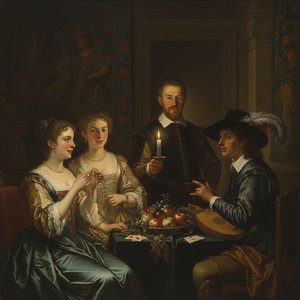
Gerard van Honthorst: Illuminating the Dutch Golden Age with Caravaggism & Courtly Grace
Explore the captivating world of Gerard van Honthorst, a Dutch Golden Age master renowned for his dramatic chiaroscuro & courtly portraits. Discover his life, art, and lasting influence on Baroque painting.

Gerard David: Bridging Late Medieval Tradition with Early Renaissance Humanism
Explore the captivating world of Gerard David, a pivotal figure bridging late medieval artistry with the Early Renaissance. Discover his innovative techniques, religious masterpieces, and enduring legacy – a must-read for discerning art collectors.