


 Náhled
 Sdílet
 Sdílet
 Podrobnosti o díle

 Stáhnout
 Podobné položky
 Rentgenové snímky
 Slideshow
Landscape
 Oil On Canvas
- WallArt
- Baroque Style
 1650
1650- Early Modern
 98.0 x 157.0 cm
 Státní Ermitáž
 Zobrazit více
Giclée / Umělecký tisk
Giclée nebo plátěný tisk muzeální kvality s rychlou výrobou a flexibilními možnostmi povrchové úpravy. ( Přepnout na ručně malovanou reprodukci Přepnout na obrázek)




P118B $10

P118H $10

P118W $10

P438Z $10

P508JH $12

P508YH $12

P805H $10

P805Z $10

P919BZ $10

P919G $10

P919XJ $10

P959ZH $10

P968JZ $12

W106C $8

W218G $10

W218JH $8

W218Y $10

W307PJ $10

W316G $10

W316PJ $8

W316Y $10

W398PJ $8

W4111J $10

W500HY $15

W500JH $15

W692G $12

W849H $8

W940BG $15

W953PJ $8




Vyberte si z našich přednastavených velikostí, které odpovídají původním proporcím díla.

Můžete zadat vlastní rozměry tak, aby výtvor odpovídal konkrétnímu rámu nebo prostoru. Pokud zvolená velikost nebude odpovídat poměru stran původního obrazu, dílo buď ořížeme, nebo obraz rozšíříme pomocí zrcadlového efektu či jednobarevného okraje. Před zahájením výroby vám bude zaslán digitální náhled k schválení.
Mějte prosím na paměti, že náhled na obrazovce neodráží skutečné oříznutí nebo rozšíření. Pouze digitální náhled přesně zobrazí finální kompozici.
Ačkoliv jsou k dispozici i vlastní rozměry, pro zachování původních proporcí doporučujeme vybrat si rozměr z předdefinovaného seznamu.
Celosvětové doručení () do 2 týdnů namísto standardních 4/5 týdnů. (10 srpen)

Zdarma celosvětová expresní doprava

Vysoce kvalitní lněné plátno

Kompletní přepravní pojištění

Záruka vrácení celního poplatku

Záruka přesného barevného shodu

60denní lhůta pro vrácení zboží (pouze při vadách výroby)

100% garance vrácení peněz

Sleva při hromadné objednávce
 Skleněná varianta je dostupná pouze u rozměrů menších než 110 cm

Landscape
Giclée / Umělecký tisk
Rozměry reprodukce
-


Celková cena za výběr
$ 62
Popis sběratelského kousku
A Pastoral Dream from the Flemish Golden Age
To gaze upon this magnificent landscape is to step directly into a sun-dappled afternoon in 17th-century Flanders. David Teniers the Younger, master chronicler of everyday life and bucolic scenes, has gifted us a vision steeped in tranquility and gentle human activity. The composition immediately draws the eye into a pastoral tableau where nature and humanity coexist in perfect, harmonious leisure. It is more than just a depiction of an outing; it feels like a memory itself—the lingering warmth of a perfect day spent among friends or family.
The Artistry of Teniers: Technique and Subject
Teniers possessed a remarkable gift for capturing the mundane with the grandeur usually reserved for mythology. Here, that skill is evident in every meticulously rendered detail. Observe the foreground, where figures move with an unforced grace; their casual interactions suggest deep familiarity and shared joy. The background unfolds with lush, believable foliage, providing a rich, verdant curtain against which the human drama plays out. Technique-wise, one can appreciate the subtle handling of light—the way sunlight filters through unseen leaves, dappling the ground and illuminating the figures just enough to bring them into sharp relief. The inclusion of scattered birds adds an exquisite layer of life, suggesting movement even in a moment captured forever on canvas.
Symbolism of Companionship and Nature
The elements within this painting are rich with quiet symbolism. The presence of the dogs, positioned attentively near the center and to the right, anchors the scene in domestic reality; they are loyal companions mirroring the bonds between the people depicted. In the art of this period, such outdoor gatherings often served as meditations on the ideal life—a return to simplicity away from the clamor of urban existence. The landscape itself functions as a visual metaphor for peace, suggesting that true contentment is found in natural settings and shared moments.
A Timeless Atmosphere for Modern Living
For the discerning collector or designer seeking to infuse a space with history and soulful depth, this piece offers unparalleled ambiance. Its scale, 98 x 157 cm, allows it to command a wall while maintaining an intimate, breathable quality. Reproducing such a work allows one to bring the sophisticated charm of the Flemish Baroque into contemporary interiors. Imagine this scene above a grand mantelpiece or within a sunlit drawing-room; it whispers tales of bygone eras while promising the serenity of a perfect afternoon today.
Podobná umělecká díla


Biografie umělce
David Teniers the Younger: A Master of Flemish Life
David Teniers the Younger, born in Antwerp on December 15, 1610, wasn’t simply a painter; he was a chronicler of his time, a vibrant observer of everyday life who captured the spirit and charm of Flanders during the Baroque era. His lineage was steeped in artistic tradition – his father, David Teniers the Elder, was himself a respected painter, and several siblings followed suit into the world of art. Early training under his father provided him with a solid foundation, but it was through his marriage to Anna Brueghel, daughter of the renowned Jan Brueghel the Elder, and his close association with Peter Paul Rubens that Teniers truly blossomed, absorbing influences from masters like Pieter Bruegel the Elder and benefiting from the direct guidance of one of history’s greatest artists. The family's financial circumstances were often precarious, a reality that led young David to supplement their income by meticulously copying older masterworks – a testament to his dedication and artistic skill.The Rise of a Genre Painter
Teniers’ artistic journey took a defining turn as he specialized in genre painting, a style focused on depicting scenes from ordinary life. He wasn't interested in grand historical narratives or solemn religious subjects; instead, he chose to capture the lively bustle of peasant festivals – *kermesses* – overflowing taverns, and picturesque village landscapes. These weren’t idealized representations; they were brimming with authentic detail, showcasing the joys, struggles, and social interactions of the common people. His work is characterized by a remarkable ability to convey atmosphere and emotion, drawing viewers into the heart of these scenes. The influence of Rubens was particularly evident in his use of color and composition, while the Brueghels instilled within him a keen eye for detail and an appreciation for capturing the nuances of human behavior. He quickly gained recognition for his talent, becoming a sought-after artist commissioned by wealthy patrons throughout Flanders and beyond.A Court Painter and Curator
Teniers’ career reached new heights when he entered the service of Archduke Leopold Wilhelm, the Governor General of the Spanish Netherlands. This appointment marked a significant shift in his artistic focus, leading him to work primarily for the court at Brussels. As curator of the Archduke's vast art collection – a collection that would later form the nucleus of the Vienna Kunsthistorisches Museum – Teniers was responsible for cataloging and managing an extraordinary array of paintings, sculptures, and antiquities. This role demanded not only artistic skill but also organizational abilities and a deep understanding of art history. He meticulously documented each piece, creating detailed inventories and establishing a system for preserving and displaying the collection. The Archduke’s patronage provided Teniers with financial stability and access to a wider audience, further solidifying his reputation as one of Flanders' leading artists.The Antwerp Academy and Lasting Legacy
Recognizing the need to revitalize Flemish painting after the loss of Rubens and Van Dyck, David Teniers the Younger played a pivotal role in establishing the Antwerp Academy of Fine Arts in 1662. This institution served as a training ground for aspiring young artists, providing them with instruction in drawing and sculpture – disciplines that were often neglected in the pursuit of painting alone. Teniers’ vision was to foster a new generation of Flemish painters who would carry on the legacy of their predecessors. He dedicated himself to nurturing talent and promoting artistic excellence within his city. David Teniers the Younger died in Antwerp on April 25, 1690, leaving behind an impressive body of work that continues to captivate viewers with its vibrant colors, detailed compositions, and insightful portrayal of Flemish life. His legacy extends beyond his individual paintings; he is remembered as a key figure in the revival of Flemish art and a master of capturing the essence of a bygone era.
David Teniers mladší
1610 - 1690 , Belgie
Rychlé fakta
- Artistic Movement Or Style: Baroko
- Artists Or Movements Influenced By This Artist: ['Watteau']
- Artists Who Influenced This Artist:
- Rubens
- Brueghel
- Date Of Birth: 1610
- Date Of Death: 1690
- Full Name: David Teniers mladší
- Nationality: Vlámský
- Notable Artworks:
- Kermessy
- Taverny
- Venecie
- Place Of Birth: Antverpy, Belgie
Související články
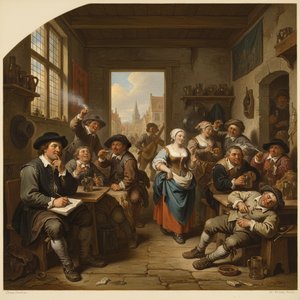
David Teniers the Younger: Genre Painting & Social Commentary in Baroque Flanders
Explore the captivating world of David Teniers the Younger, a leading Flemish Baroque painter. Discover his genre scenes, social commentary, and lasting influence on 17th-century art. Learn about his life, techniques & legacy.

Romantická krajina v malbě: 10 mistrovských děl, které definovaly umělecký proud | ArtsDot
Prozkoumejte 10 ikonických děl romantické krajinářské malby! Objevte příběhy Caspara Davida Friedricha, Turnera a dalších mistrů. Reprodukce obrazů nejvyšší kvality pro váš interiér na ArtsDot.com.

Top 10 krajin v umění: Mistrovská díla a inspirace pro váš domov
Objevte 10 nejúchvatnějších krajin v umění od Turnerů po Van Gogha! Ponořte se do příběhů mistrů a inspirujte se pro svůj interiér. Reprodukce obrazů nejvyšší kvality na ArtsDot.com – pro milovníky umění a dokonalý dekor.

Top 10 mistrovských děl holandského baroka – obrazy a umělci | ArtsDot.cz
Objevte 10 ikonických děl holandského baroka! Prozkoumejte příběhy Rembrandta, Vermeera a dalších mistrů. Repliky obrazů nejvyšší kvality pro váš interiér na ArtsDot.cz – inspirace a umělecké reprodukce online.

Golden Age Reflections: Dutch Baroque Painting & Cultural Innovation
Explore the Dutch Golden Age of painting! Discover key artists like Vermeer & ter Borch, their innovative techniques, and the rich cultural context behind these Baroque masterpieces. Learn about collecting & appreciating this iconic art period.



