

 Náhled
 Sdílet
 Sdílet
 Podrobnosti o díle

 Stáhnout
 Podobné položky
 Rentgenové snímky
 Slideshow
Crucifixion
 Oil On Canvas
- WallArt
- Renaissance
 1530
1530 90.0 x 74.0 cm
 Státní Ermitáž
 Zobrazit více
Koupě vysoce rozlišeného, vylepšeného digitálního obrazu, který je mnohem kvalitnější než online náhled.
Každý soubor je pečlivě připraven našimi odborníky pomocí pokročilých nástrojů a expertní manuální retuše. Zajišťujeme, aby každý obraz disponoval výjimečnou ostrostí, přesnou barevnou věrností a jemnými detaily.
Finální soubor vám bude do 72 hodin zaslán e-mailem, optimalizovaný pro okamžité použití v profesionálním, redakčním i tiskovém prostředí. Nabízíme stejnou kvalitu, které důvěřují špičková designová studia, nakladatelství i galerie.
Digitální obrazy
Stáhněte si soubor ve vysokém rozlišení pro osobní prohlížení, tisk a kreativní projekty. ( Koupit tisk Koupit ručně malovaný obraz)
Součást každé objednávky digitálního obrazu
Profesionální digitální doručení, zaručeno.
Když si vyberete ArtsDot.com, nezískáváte pouze obrázek – získáváte digitální umělecké dílo s profesionálně vylepšenými detaily, zpracované s precizností a podpořené zárukou za spokojenost. Zde je vše, co vaše objednávka automaticky obsahuje:

Rychlé doručení e-mailem
Váš digitální obraz ve vysokém rozlišení vám bude zaslán e-mailem do 72 hodin od objednávky – připraven k okamžitému použití.

Digitální soubor s využitím AI
Vaše umělecké dílo je profesionálně optimalizováno pomocí pokročilých nástrojů umělé inteligence a manuální úpravy, což zajišťuje maximální úroveň detailu, ostrosti a přesnosti barev.

Bezplatné doživotní znovuodeslání
Soubor jste omylem smazali nebo ztratili? Žádný problém – kdykoliv vám ho znovu zašleme zcela zdarma.

Bez poplatků za dovoz – navždy
Užijte si své umělecké dílo okamžitě bez celních poplatků, daní nebo nákladů na dopravu – digitální stažení je vždy bez daňových povinností.

Záruka přesnosti barev
Pomocí profesionálních nástrojů a správy barev zajišťujeme, aby váš digitální obraz odrážel původní barvy co nejvěrněji.

60denní záruka spokojenosti
Pokud nebudete s digitální fotografií spokojeni, provedeme její revizi nebo vám vrátíme 100% během 60 dnů – bez jakýchkoliv dotazů.

100% záruka vrácení peněz
Nespokojeni? Získejte plnou částku zpět do 60 dní od přijetí vašeho digitálního souboru – bez jakýchkoliv dotazů.

Slevy při hromadných objednávkách
Koupěte si 3 obrazy, ušetřete 10% - Koupěte si 5, ušetřete 15% - Koupěte si 10+, ušetřete 20%. Ideální pro kreativní projekty, galerie a agentury.
Popis sběratelského kusu
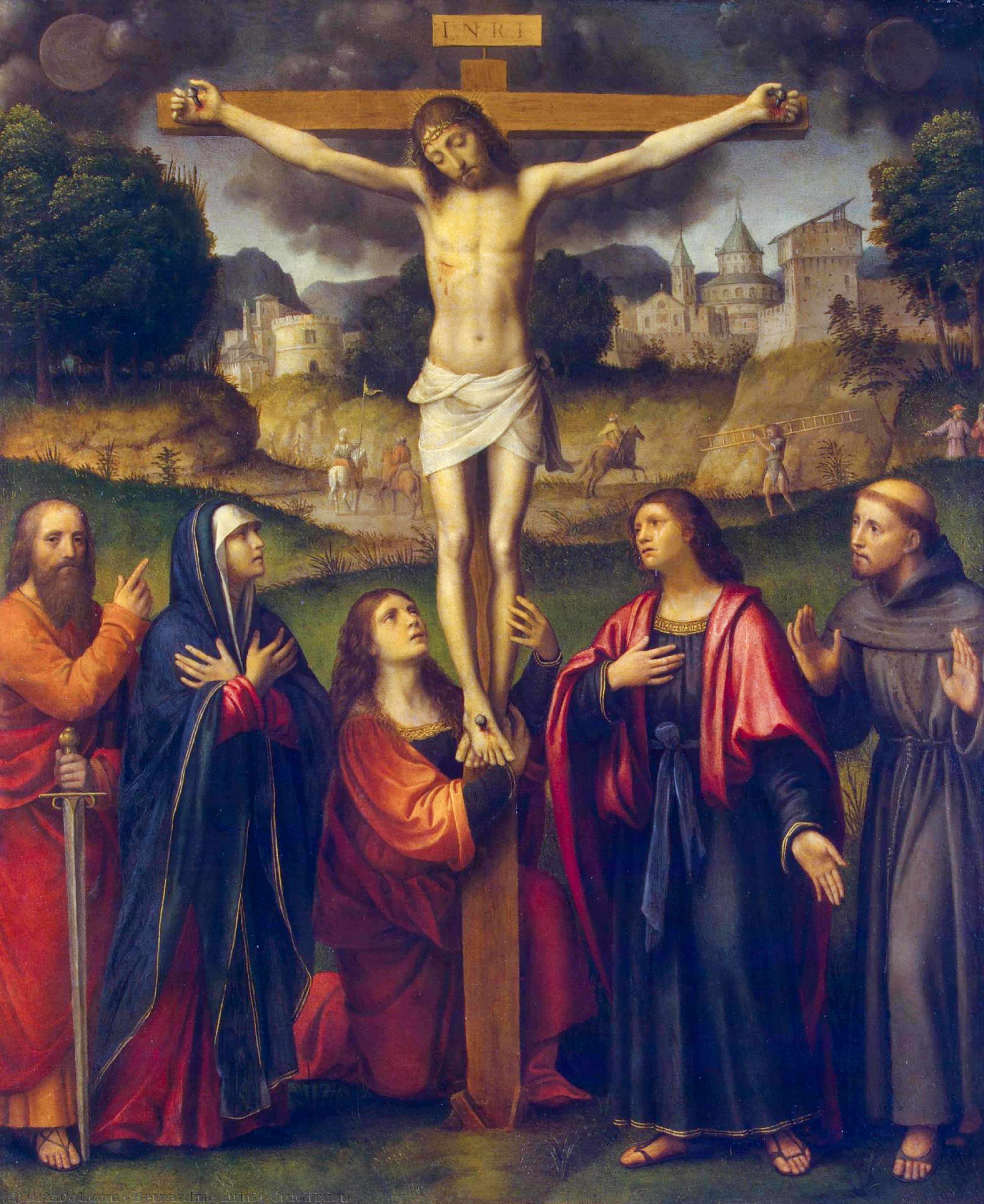
The Heart of Suffering: Bernardino Luini's Crucifixion
Bernardino Luini’s 1530 painting, “Crucifixion,” is not merely a depiction of a biblical event; it’s an immersive experience of sorrow, faith, and the profound dignity of human suffering. Housed within The Hermitage in St. Petersburg, this oil on canvas work transcends its modest dimensions (90 x 74 cm) to deliver a monumental emotional resonance that has captivated viewers for centuries. Luini, a pivotal figure in the Milanese Renaissance, masterfully blends technical precision with deeply felt spirituality, creating an image that simultaneously reflects the artistic innovations of his time and speaks to universal themes of loss, redemption, and the human condition.

Image of Crucifixion by Bernardino Luini
A Symphony of Figures and Landscape
The composition is a carefully orchestrated drama. At the center, Jesus Christ hangs upon the cross, his body rendered with an astonishingly realistic portrayal of agony – a testament to Luini’s meticulous observation of human anatomy. Yet, despite the visible suffering, a serene expression graces his face, suggesting acceptance and perhaps even a quiet triumph over death. Surrounding him is a carefully selected cast of figures: mourners draped in rich fabrics, observing witnesses, and individuals engaged in acts of prayer or contemplation. The inclusion of two horses in the background adds an intriguing layer of symbolism – they could represent transportation to the afterlife, or perhaps allude to the journey of the soul.
Luini’s skill is particularly evident in his rendering of the landscape behind the scene. A distant town and imposing mountains provide a dramatic backdrop, anchoring the narrative within a specific time and place. The muted earth tones of the terrain contrast sharply with the vibrant colors of the garments, drawing the viewer's eye to the central figures while simultaneously creating a sense of depth and realism.
The Influence of Leonardo and “Luinesque” Beauty
Bernardino Luini’s artistic journey was profoundly shaped by his apprenticeship under Leonardo da Vinci. This influence is palpable in Luini's graceful female figures, often described as "Luinesque" – characterized by their elongated eyes, delicate features, and an almost ethereal quality. Luini inherited from Leonardo a sensitivity to light and shadow, a meticulous attention to detail, and a profound understanding of human emotion. The faces of the mourners, for instance, are not simply representations of grief; they convey a complex range of emotions – sorrow, compassion, and perhaps even a touch of awe.
Symbolism and Spiritual Depth
Beyond its visual beauty, “Crucifixion” is rich in symbolic meaning. The cross itself represents sacrifice, redemption, and the promise of eternal life within Christian theology. The figures surrounding the cross are not merely passive observers; they embody various aspects of faith – mourning, contemplation, and devotion. Luini’s masterful use of light and shadow further enhances the painting's spiritual impact, creating a sense of solemnity and reverence. The overall effect is one of profound emotional intensity, inviting viewers to contemplate the mysteries of life, death, and salvation.
Podobná umělecká díla


Biografie umělce
A Lombard Luminary: The Life and Art of Bernardino Luini
Bernardino Luini, a name resonating softly within the annals of Italian Renaissance painting, emerged from the picturesque region surrounding Lake Maggiore around 1480. Born in Runo, a small *frazione* near Dumenza, his early life remains shrouded in some mystery, yet it’s clear that destiny propelled him towards Milan, the vibrant artistic heartland of northern Italy. By 1500, he had relocated with his father, poised to absorb the burgeoning creative energy of the city. While accounts vary regarding his initial training—some credit Giovan Stefano Scotto, others Ambrogio Bergognone—a more profound influence was undoubtedly on the horizon: Leonardo da Vinci. The precise nature of their relationship remains debated, but it’s widely believed Luini worked directly under the master, a formative experience that would indelibly shape his artistic trajectory. This apprenticeship wasn't merely technical; it was an immersion into a world of subtle observation, innovative composition, and the elusive quality known as *sfumato*, which Luini would skillfully integrate into his own unique style.The Embrace of Leonardo and the Birth of a Style
Luini’s artistic development wasn’t simply imitation; it was a sensitive assimilation of Leonardo’s techniques filtered through his own Lombard sensibility. He didn’t strive to replicate Da Vinci’s intellectual rigor or anatomical precision, but rather embraced the softer, more lyrical aspects of his style. This is particularly evident in his depictions of women—graceful figures with elongated eyes, often described as “Luinesque” by the discerning eye of Vladimir Nabokov. These captivating gazes possess a gentle melancholy, an inwardness that invites contemplation. Early works like the *Adoration of the Magi* (c. 1505) in San Pietro, Luino, already hint at this emerging style, showcasing a delicate handling of light and shadow and a growing mastery of composition. His frescoes for the Oratory of Santa Maria Nuova in Pilastrello and the subsequent commissions throughout Milan solidified his reputation as a leading artist of the region. The influence of Bernardino Zenale’s *Cantù Polyptych* is also visible in works like *St. Anthony of Padua* (1510s), demonstrating Luini's ability to synthesize diverse influences into a cohesive artistic vision.Frescoes, Palaces, and the Flourishing of Creativity
The first two decades of the 16th century witnessed a period of intense creative activity for Luini. He wasn’t confined to religious subjects; his talents were sought after for secular commissions as well. The frescoes he created between 1509 and 1514 for Villa Pelucca in Sesto San Giovanni stand as a testament to his versatility, depicting mythological scenes with a refined elegance that graced the walls of this aristocratic residence. These works, now housed in Milan’s Pinacoteca di Brera, reveal a painter equally adept at capturing the dynamism of classical narratives and the intimate beauty of human form. He continued to receive prestigious commissions, adorning churches and palaces throughout Lombardy with his distinctive style. His ability to imbue even grand-scale frescoes with an air of intimacy and emotional resonance cemented his position as one of the most sought-after artists of his time.Notable Works and Artistic Techniques
Luini’s oeuvre is characterized by a remarkable consistency in style, despite the diversity of commissions he received. His *Adoration of the Magi* (c. 1505) exemplifies his early mastery of composition and use of *sfumato*, while the frescoes in San Pietro, Luino, demonstrate his ability to create atmospheric depth and evoke a sense of solemnity. The *St. Anthony of Padua* (1510s), a cornerstone of his artistic legacy, showcases his signature elongated figures and subtle rendering of drapery. Luini’s work is particularly notable for its use of muted colors—earth tones, ochres, and browns—which contribute to the overall sense of serenity and introspection. He skillfully employed *chiaroscuro*, creating dramatic contrasts between light and shadow that heighten the emotional impact of his scenes. His meticulous attention to detail, combined with a profound understanding of human psychology, resulted in paintings that are both visually stunning and deeply moving.Legacy and Enduring Appeal
Bernardino Luini passed away in Milan in June 1532, leaving behind a legacy that extended beyond his own lifetime. His son, Aurelio, followed in his footsteps, continuing the family’s artistic tradition. However, it is Bernardino who remains the more celebrated figure, remembered for his graceful figures, delicate *sfumato*, and the uniquely captivating quality of his “Luinesque” women. His work served as an inspiration to subsequent generations of artists, influencing the development of Lombard painting and contributing to the broader currents of Italian Renaissance art. Today, Luini’s masterpieces can be found in museums and churches throughout Italy—the Pinacoteca di Brera being a particularly rich repository of his works. His paintings continue to enchant viewers with their beauty, grace, and enduring emotional power, offering a glimpse into the artistic sensibilities of a bygone era. Salome with the Head of John the Baptist, for example, continues to captivate audiences with its dramatic intensity and masterful execution, while Holy Family with Saints Anne and John the Baptist exemplifies his serene and harmonious compositions.
Bernardino Luini
1480 - 1532 , Itálie
Stručné informace
- Artistic Movement Or Style: Renesanční, Mannerismus
- Artists Or Movements Influenced By This Artist: ['Luineský styl']
- Artists Who Influenced This Artist: ['Leonardo da Vinci']
- Date Of Birth: c. 1480
- Date Of Death: 1532
- Full Name: Bernardino Luini
- Nationality: Italanský
- Notable Artworks:
- Adorace Magů
- Sv. Antonín Paduánský
- Fresky Villa Pelucca
- Place Of Birth: Reno, Itálie

