


 Sdílet
 Sdílet
 Podrobnosti o díle

 Stáhnout
 Podobné položky
 Slideshow
 Statistiky
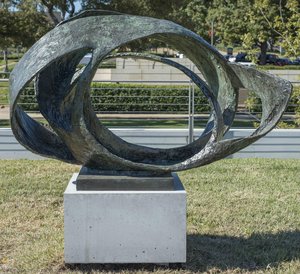
Ascending Form (Gloria)


 Zobrazit více
Ručně malovaná olejová reprodukce
Ručně malovaná olejná barva na plátně ve vašem zvoleném rozměru i s rámem, vyrobená našimi umělci na zakázku. ( Přepnout na tisk Přepnout na digitální obraz)




































Vyberte si z našich přednastavených velikostí, které odpovídají původním proporcím díla.

Můžete zadat vlastní rozměry pro konkrétní rám nebo prostor. Pokud se vámi vybraná velikost neshoduje s proporcemi původního obrazu, dílo buď ořízneme, nebo jej doplníme ručně malovanými prvky. Před zahájením výroby vám bude zaslán digitální náhled ke schválení.
Upozorňujeme, že náhled na obrazovce neodpovídá skutečnému ořezu ani rozšíření. Pouze digitální náhled přesně zobrazí finální kompozici.
Ačkoliv je možné zvolit vlastní velikost, pro zachování původních proporcí doporučujeme vybrat rozměr z předdefinovaného seznamu.
Po přijetí objednávky vám tým ArtsDot.com zašle e-mail s pokyny a poskytne náhledovou verzi.
Celosvětová doprava () za 3–4 týdny namísto standardních 5 týdnů. (10 září). Bez kompromisů v kvalitě.

Zdarma celosvětová expresní doprava

Vysoce kvalitní lněné plátno

Kompletní přepravní pojištění

Záruka vrácení celního poplatku

Záruka přesného barevného shodu

100dená lhůta pro vrácení zboží (pouze při vadách)

100% garance vrácení peněz

Sleva při hromadné objednávce
 Skleněná varianta je dostupná pouze u rozměrů menších než 110 cm

Ascending Form (Gloria)
Technika reprodukce
Rozměry reprodukce
-


Celková cena za výběr
$ 263
A Symphony in Stone: The Ethereal Presence of Ascending Form (Gloria)
In the quiet, contemplative realm of mid-century modernism, few works command the space with as much grace and rhythmic vitality as Barbara Hepworth’s Ascending Form (Gloria). Created in 1958, this masterpiece serves as a profound testament to the artist's ability to breathe life into static medium. The sculpture presents a captivating silhouette that seems to defy the very weight of its material, reaching upward with an organic elegance that suggests both growth and spiritual elevation. As one gazes upon the work, the eye is drawn through a series of fluid, interconnected shapes that evoke the natural rhythms of the landscape—a hallmark of Hepworth’s deep connection to the rugged beauty of the Cornish coast.
The sculpture's composition is a masterclass in the balance between mass and void. While the central figure possesses a commanding physical presence, it is the intentional use of negative space that truly allows the piece to breathe. This interplay of solid stone and empty air creates a dynamic tension, inviting the viewer to look through and around the form, discovering new perspectives with every movement. The smooth, polished surfaces catch the light in subtle gradations, highlighting the meticulous craftsmanship required to transform raw material into such a delicate, soaring expression of human and natural harmony.
The Legacy of Modernist Abstraction
To understand Ascending Form (Gloria), one must look toward the revolutionary spirit of the British avant-garde. As a pioneer of abstract sculpture, Hepworth was instrumental in moving art away from literal representation toward a more visceral, emotional language. This piece emerged during a period when she was refining her ability to blend surrealist influences with pure abstraction. The work does not merely depict a figure; it embodies an idea of ascension and the interconnectedness of all living things. It stands as a bridge between the terrestrial and the celestial, making it an intellectually stimulating addition to any serious collection.
For the discerning collector or interior designer, this work offers more than just aesthetic beauty; it provides a focal point of profound serenity. The sculpture’s ability to anchor a room while simultaneously providing a sense of lightness makes it an ideal centerpiece for sophisticated architectural spaces. Whether placed in a sun-drenched gallery or a minimalist contemporary study, the Ascending Form (Gloria) radiates a timeless prestige. Owning a high-quality reproduction of this work allows one to invite the transformative power of Hepworth’s vision into their personal environment, fostering an atmosphere of creativity, peace, and enduring modern elegance.
Podobná umělecká díla



Biografie umělce
Barbara Hepworth: Pioneer of Organic Abstraction
Barbara Hepworth (1903–1975) stands as one of the most influential figures in British modern sculpture, a sculptor whose groundbreaking approach fundamentally reshaped artistic expression during the interwar years and beyond. Born Jocelyn Barbara Hepworth in Wakefield, Yorkshire, her formative years were marked by an early fascination with natural forms—particularly the rugged landscapes of her native Yorkshire—which would become central to her artistic vision. Her father, Herbert Hepworth, was a civil engineer for the West Riding County Council, fostering a practical sensibility alongside an appreciation for geometric precision.- Early Education & Influences: Hepworth’s education at Wakefield Girls' High School instilled in her a belief in the importance of intellectual curiosity and artistic exploration. Notably, she befriended Henry Moore during her studies at Leeds School of Art, forging a collaborative relationship that would endure throughout their careers. This connection to Moore—a fellow devotee of exploring natural forms through abstraction—proved pivotal in shaping Hepworth’s aesthetic sensibilities.
- Royal College of Art & Formal Experimentation: Hepworth's enrollment at the Royal College of Art in 1921 represented a decisive step toward establishing herself as an artist. There, she honed her sculptural skills and embraced the burgeoning modernist movement, experimenting with techniques like direct carving—a method championed by Skeaping—that prioritized working directly with raw materials to achieve organic forms.
Marriage & Artistic Partnership with Ben Nicholson
Her marriage to sculptor John Skeaping in 1925 solidified her artistic life, providing a supportive environment for collaborative endeavors and fostering a shared commitment to exploring the expressive potential of abstraction. The couple moved into Hampstead’s Mall studio in 1926, where Hepworth and Nicholson cultivated an intense creative dialogue that would define their artistic output for decades. Their relationship was marked by both intellectual stimulation and personal challenges, culminating in divorce in 1933. However, Hepworth continued her partnership with Nicholson until 1951, producing some of her most celebrated works during this period—including the monumental *Pierced Hemisphere I* and *Two Forms*, which embody the core principles of their artistic vision.The St Ives Period & Monumental Sculpture
Following World War II, Hepworth relocated to St Ives, Cornwall, where she established herself as a leading figure in the burgeoning St Ives School of Artists—a collective dedicated to capturing the essence of Cornish landscape and exploring the interplay between form and space. This period witnessed Hepworth’s artistic evolution toward larger-scale sculptures that responded directly to the environment, reflecting her profound connection with nature. Her masterpiece, *Winged Figure*, commissioned by John Lewis for Oxford Street, London, stands as a testament to her ambition and technical prowess—a towering aluminum sculpture that embodies the spirit of modernist abstraction while simultaneously honoring the beauty of the Cornish coastline.Legacy & Recognition
Barbara Hepworth’s contribution to modern art is undeniable. Her pioneering exploration of organic abstraction challenged conventional artistic norms, establishing a new aesthetic language characterized by sensual materiality and geometric precision. She received numerous accolades throughout her life—including Commander of the Order of the British Empire (CBE) in 1958—and was honored as Dame in 1965 for her enduring influence on art history. Today, Hepworth’s sculptures reside in prominent museums worldwide—most notably The Hepworth Wakefield—where they continue to inspire viewers and scholars alike, cementing her place as one of Britain's most revered artists."
Barbara Hepworthová
1903 - 1975 , Spojené království
Rychlé fakta
- Artistic Movement Or Style: Modernisme
- Artists Or Movements Influenced By This Artist: ['Abstraction Création']
- Artists Who Influenced This Artist: ['Henry Moore']
- Date Of Birth: 10 janvier 1903
- Full Name: Jocelyn Barbara Hepworth
- Nationality: Britannique
- Notable Artworks:
- Oval Form
- Deux formes
- Place Of Birth: Wakefield, Angleterre
Související články

The Enduring Legacy of Bronze Sculpture: A Collector's Guide to Form & Cultural Significance
Explore the rich history & enduring appeal of bronze sculpture with expert insights for collectors at ArtsDot. Learn about casting techniques, iconic artists, and collecting tips to build a discerning art collection.

Barbara Hepworth: A Sculptural Dialogue with Form, Space & the Human Condition
Explore the profound world of Barbara Hepworth's sculpture. Discover her artistic evolution, iconic forms, and lasting influence on modern art. A guide for collectors & enthusiasts.

The Enduring Legacy of Bronze: A Historical & Artistic Exploration for the Collector
Explore the rich history & enduring appeal of bronze sculpture with expert insights for collectors at ArtsDot. Learn about casting techniques, iconic artists, collecting tips & contemporary interpretations.

10 legendárních bronzových mistrovských děl, která změnila umění | ArtsDot
Objevte 10 legendárních bronzových mistrovských děl od Rodina, Donatella a dalších. Ponořte se do historie umění a nechte se inspirovat nadčasovými sochařskými replikami pro váš interiér. Prozkoumejte celou kolekci online na ArtsDot.com!

10 legendárních bronzových soch, které změnily umění | ArtsDot
Objevte 10 legendárních bronzových soch od Michelangela, Rodina a dalších mistrů! Ponořte se do historie umění, technik a příběhů za těmito nadčasovými díly. Najděte inspiraci pro váš interiér s ArtsDot.com – repliky nejvyšší kvality.


