

 معاينة الحجم الواقعي
 مشاركة
 مشاركة
 التفاصيل
 دليل
دليل

 تحميل الملف
 قطع مشابهة
 الأشعة السينية
 عرض شرائح
 الأسئلة والأجوبة
 الإحصائيات
Crucifixion

 عرض المزيد
إن العمل الفني المعروض في هذه الصفحة محمي بموجب قوانين حقوق الطبع والنشر، مما يعني أنه لا يحق لنا قانوناً إنشاء أو بيع نسخ مطابقة له. وتُطبق هذه الحماية بموجب الاتفاقيات الدولية مثل الـ اتفاقية برن ووفقاً للقوانين الوطنية، بما في ذلك تلك المنصوص عليها في قانون حقوق الطبع والنشر في الولايات المتحدة - الباب 17.
تتوافق هذه الطريقة تماماً مع لوائح حقوق النشر لأنها لا تتضمن نسخ أو تكرار العمل الفني المحمي، بل هي إعادة تفسير إبداعية؛ أي أنها لوحة جديدة مستوحاة من الأصل ولكنها ليست مطابقة له.
طباعة جيلي / مطبوعات فنية
طباعة جيكلي أو كانفاس بجودة المتاحف، مع سرعة في التنفيذ وخيارات متنوعة للتشطيب. ( شراء لوحة مرسومة يدويًا الانتقال إلى الصورة الرقمية)




P118B E£10

P118H E£10

P118W E£10

P438Z E£10

P508JH E£12

P508YH E£12

P805H E£10

P805Z E£10

P919BZ E£10

P919G E£10

P919XJ E£10

P959ZH E£10

P968JZ E£12

W106C E£8

W218G E£10

W218JH E£8

W218Y E£10

W307PJ E£10

W316G E£10

W316PJ E£8

W316Y E£10

W398PJ E£8

W4111J E£10

W500HY E£15

W500JH E£15

W692G E£12

W849H E£8

W940BG E£15

W953PJ E£8




اختر من بين أحجامنا المُعدّة مسبقاً والتي تتوافق مع النسب الأصلية للعمل الفني.

أدخل العرض والارتفاع المطلوبين ليتناسب المقاس مع إطارك أو جدارك. يرجى الملاحظة أن المطبوعة يمكن قصها فقط ولا يمكن تكبيرها لتتجاوز أبعاد الصورة الأصلية، لذا فإن اختيار مقاس بأبعاد مختلفة سيؤدي إلى فقدان جزء من الصورة. سنرسل لك نموذجاً رقمياً تجريبياً لاعتماده قبل البدء في عملية الطباعة. الصورة المعروضة في هذه الصفحة لا توضح شكل القص الفعلي — النموذج التجريبي فقط هو ما يظهر ذلك بدقة.
توصيل عالمي إلى خلال أسبوعين بدلاً من المدة القياسية البالغة 4/5 أسابيع. (3 نوفمبر)

شحن سريع ومجاني لجميع أنحاء العالم

قماش كتان عالي الجودة

تأمين شامل على الشحن

ضمان استرداد الرسوم الجمركية

ضمان مطابقة الألوان الحقيقية

سياسة الإرجاع خلال 100 يوم (في حالات العيوب فقط)

ضمان استرداد نقدي بنسبة 100%

خصم عند طلب كميات
 خيار الزجاج متاح فقط للمقاسات التي تقل عن 110 سم

Crucifixion
طباعة جيلي / مطبوعات فنية
مقاس النسخة المطبوعة
-


إجمالي السعر النهائي
E£ 3302
Pablo Picasso’s “Crucifixion” – A Descent into Pain and Transcendence
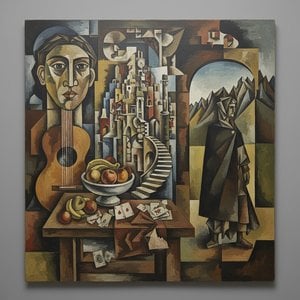
Painted in 1930 amidst a tumultuous period of artistic and political upheaval, Pablo Picasso's "Crucifixion" isn’t merely a depiction of the biblical event; it’s a visceral exploration of suffering, distortion, and the unsettling beauty found within profound emotional distress. This oil-on-wood masterpiece, housed in the Museo Picasso in Barcelona, stands as a pivotal work bridging Picasso’s earlier explorations with his later, more politically charged art – notably foreshadowing the monumental “Guernica.” The painting immediately confronts the viewer with an intensely fragmented scene, a deliberate rejection of traditional religious iconography and a bold assertion of Picasso's own unique artistic vision. It’s a world where recognizable figures are violently reshaped, their bodies contorted into unsettling geometric forms, reflecting both the physical agony of the crucifixion and the artist’s own engagement with the anxieties of his time.
Deconstructing the Narrative: Form and Distortion
Picasso abandons any semblance of realistic representation, instead employing a Cubist approach that dismantles the traditional portrayal of Christ. The figures are not rendered as idealized or heroic; they are broken, vulnerable, and profoundly human in their suffering. Notice how Jesus, Mary Magdalene, and the other thief are reduced to angular planes and sharp lines, creating a sense of instability and disorientation. This deliberate distortion isn’t simply stylistic; it's a powerful tool for conveying the emotional weight of the scene. The scale is also deliberately manipulated – Christ and his mother dominate the composition, while the figures of the soldiers and robbers are relegated to smaller, almost insignificant spaces, emphasizing their role as instruments of violence rather than individuals with agency. The use of contrasting colors—the stark whites and grays against the dark wood—further amplifies this sense of drama and unease.
Symbolism and the Language of Pain
Beyond its formal elements, “Crucifixion” is laden with symbolic meaning. The inclusion of seemingly incongruous objects – a bowl, a knife, and a discarded garment – adds layers of complexity to the narrative. Some scholars interpret these additions as allusions to the themes of sacrifice, violence, and earthly decay that permeate the biblical story. The bowl could represent offering or even a vessel for suffering, while the knife evokes the brutality of execution. The scattered garments suggest the stripping away of dignity and humanity. Picasso’s masterful manipulation of perspective creates a claustrophobic atmosphere, drawing the viewer into the heart of the scene and forcing them to confront the raw reality of Christ's torment. The painting isn’t about depicting a specific moment in time; it’s about capturing the essence of suffering itself.
Historical Context: A World on Edge
To understand “Crucifixion,” it’s crucial to consider the historical context in which it was created. 1930 marked a period of intense political and social unrest, with the rise of fascism in Europe and the escalating tensions leading up to the Spanish Civil War. Picasso, deeply affected by these events, channeled his anxieties into his art. “Crucifixion” can be seen as a reflection of this broader sense of crisis – a visual embodiment of the pain and uncertainty that gripped the world at the time. The painting’s stark imagery and emotional intensity resonate powerfully with the themes explored in "Guernica," which Picasso would later create to protest the bombing of the Basque town of Guernica during the Spanish Civil War.
A Timeless Exploration of Human Condition
“Crucifixion” remains a profoundly moving work of art, offering a timeless meditation on themes of suffering, faith, and mortality. Picasso’s innovative use of form, color, and symbolism transcends its religious subject matter to speak to the universal human experience of pain and loss. It's a challenging yet rewarding piece that invites repeated contemplation, revealing new layers of meaning with each viewing. Reproductions of this iconic painting capture the intensity and drama of the original, making it an accessible addition to any art collection or interior space – a powerful reminder of humanity’s capacity for both cruelty and compassion.
الأسئلة والأجوبة
ما هو الطابع الذي سيضفيه "Crucifixion" على المكان؟
بأجوائه التي تتسم بـ Dramatic، يُقترح وضع لوحة "Crucifixion" في Living Room.
ما مدى تشبع وكثافة الألوان في "Crucifixion" للفنان بابلو بيكاسو؟
تتميز ألوان "Crucifixion" للفنان بابلو بيكاسو بتشبع بمستوى Muted مع حدة تبلغ Monochromatic.
هل تُعد "Crucifixion" للفنان بابلو بيكاسو من بين الأعمال الفنية المرغوبة ضمن حركة Cubist Surrealism؟
تندرج لوحة "Crucifixion" ضمن حركة Cubist Surrealism، وتتمتع بمستوى شعبية Iconic.
أعمال فنية ذات صلة


السيرة الذاتية للفنان
البدايات في مالاغا: نشأة فنان عبقري
في قلب مدينة مالاغا الساحلية بإسبانيا، وُلد بابلو روسي بيكاسو في الخامس والعشرين من أكتوبر عام 1881. لم يكن مجرد طفل آخر، بل كان بداخله شرارة إبداعية واضحة منذ نعومة أظفاره؛ تقول الأسطورة أن أول كلماته كانت "بيز، بيز" محاولة لقول كلمة "قلم رصاص". هذه الموهبة الفطرية ازدهرت بفضل والده، خوسيه روسي بلاكو، وهو فنان ومدرس فنون، الذي قدم له الأساسيات. لكن بابلو سرعان ما تفوق على معلمه، وأظهر ميلاً فطرياً نحو التصوير الطبيعي ينذر بموهبة استثنائية. انتقلت العائلة لاحقًا إلى كورونا وبرشلونة، وشهدت هذه الفترة مآسي شخصية، بما في ذلك وفاة أخته، وهي تجارب تركت بصمات خفية على أعماله اللاحقة، حيث تكرر موضوع الحزن والفناء. حتى خلال دراسته الرسمية في أكاديمية الفنون الجميلة ببرشلونة ومحاولته القصيرة في الأكاديمية الملكية للفنون الجميلة بمدريد، رفض بيكاسو القيود الأكاديمية الصارمة، مفضلاً الانغماس في أعمال الأساتذة مثل فلاسكيز وغويا، ورسم طريقه نحو الابتكار الفني.الفترات الزرقاء والوردية: استكشاف المشاعر والألوان
شهدت بدايات القرن العشرين ظهور مرحلتين متميزتين في مسيرة بيكاسو الفنية: الفترة الزرقاء (تقريبًا 1901-1904) والفترة الوردية (1904-1906). ولدت الفترة الزرقاء من رحم المعاناة الشخصية والوعي العميق بالمعاناة الاجتماعية، وتتميز بلوحات غارقة في درجات الأزرق والأخضر الداكن. تصور هذه الأعمال شخصيات مهمشة – متسولين، مقعدين، بغايا – بتعاطف مؤثر يلامس موضوعات العزلة واليأس. تعتبر لوحات مثل لا في (1903) والعازف القديم (1903-1904) أمثلة مؤثرة على هذه المرحلة المشحونة عاطفيًا. ومع انتقال بيكاسو إلى باريس وتغيرات في حياته الشخصية، بشرت الفترة الوردية بدخول مرحلة جديدة. أصبح اللوحة أكثر دفئًا، مع تبني درجات اللون الوردي والبرتقالي والأحمر، مما يعكس نظرة أكثر تفاؤلاً. شهدت هذه الفترة اهتماماً بفن السيرك، حيث صور بيكاسو شخصيات مثل عازفي الأكروبات والمهرجين وعائلات السيرك، وهي شخصيات تجسد هشاشة الحياة وقوتها في آن واحد. عائلة السيرك (1905) تلخص بشكل جميل هذا التحول، مع إشارات إلى الاستكشافات الأسلوبية التي تكمن في المستقبل.تحطيم المنظور: التكعيبية وما بعدها
يمثل عام 1907 نقطة تحول حاسمة في تاريخ الفن مع إنشاء لوحة السيدات من أفينيون. تأثر بيكاسو بالنحت الإيبيري والمنحوتات الأفريقية، وحطمت هذه اللوحة الرائدة المفاهيم التقليدية للمنظور والتمثيل. كان هذا انحرافًا جذريًا، ورفضًا متعمدًا للتقاليد التي استمرت لقرون، مما مهد الطريق للتكعيبية. بالتعاون الوثيق مع جورج براك، شارك بيكاسو في تأسيس هذا الحركة الثورية، والتي غيرت بشكل أساسي الطريقة التي يدرك بها الفنانون ويصورون الواقع. تضمنت التكعيبية التحليلية (1909-1912) تجزئة الأشياء إلى أشكال هندسية، تمثل بألوان هادئة، كما لو كانت تفكك الشكل نفسه. تطور هذا إلى التكعيبية التركيبية (1912-1919)، والتي دمجت عناصر الكولاج – قصاصات الصحف وأجزاء القماش – مما أضاف نسيجًا وطبقات بصرية جديدة من التعقيد. لم يكن بيكاسو يهدف ببساطة إلى تمثيل العالم؛ بل سعى إلى تفكيكه وإعادة بنائه وفقًا لشروطه الخاصة.مغامرة فنية لا تهدأ: الكلاسيكية الجديدة، السريالية، والحرب
شهدت العشرينات من القرن الماضي استكشاف بيكاسو لأنماط الكلاسيكية الجديدة، حيث ابتكر شخصيات ضخمة تعكس الأشكال الكلاسيكية مع الحفاظ على حساسية حديثة. في الوقت نفسه، انخرط مع حركة السريالية الناشئة، على الرغم من أنه لم يتماشى تمامًا مع مبادئها. امزجت أعماله خلال هذه الفترة بين التأثيرات الأسلوبية السابقة والصور السريالية والمنظورات المشوهة، مما يدل على تجاربه التي لا هوادة فيها. أثرت مآسي الحرب الأهلية الإسبانية بعمق على بيكاسو، مما أسفر عن إنشاء غرنيكا (1937)، وهي استجابة حية ومؤثرة عاطفياً لقصف غرنيكا. أصبحت هذه اللوحة الضخمة رمزًا دائمًا لفظائع الحرب، مما رسخ مكانة بيكاسو ليس فقط كفنان بل أيضاً كصوت قوي من أجل السلام والعدالة الاجتماعية. خلال الخمسينيات والستينيات، واصل تحدي الحدود، واستكشف السيراميك والنحت والطباعة بفضول ومهارة لا يتزعزعان. جلبه زواجه من جاكلين روك في عام 1961 بُعدًا جديدًا لحياته الشخصية وتعبيراته الفنية.تأثير لا يُقدَّر بثمن
رحل بابلو بيكاسو عن عالمنا في الثامن من أبريل عام 1973 في موجين، فرنسا، تاركًا وراءه جسد عمل مذهل – يقدر بأكثر من 50 ألف قطعة – تستمر في سحر وإلهام. تشكلت مسيرته الفنية من خلال مجموعة متنوعة من التأثيرات، بدءًا من الأساتذة الإسبان مثل فلاسكيز وغويا إلى النحت الإيبيري والفن الأفريقي ولوحات الألوان النابضة بالحياة ل هنري ماتيس. إن تأثيره على فن القرن العشرين لا يُقدَّر بثمن. لقد شارك في تأسيس التكعيبية، ورائد الكولاج والنحت التركيبي، وتحدى باستمرار الأعراف الفنية. أعاد بيكاسو تعريف الفن الحديث، تاركًا بصمة لا تمحى على أجيال من الفنانين وتعزيز مكانته كواحد من أهم الشخصيات وأكثرها تأثيرًا في التاريخ. يمتد إرثه إلى ما وراء اللوحة القماشية، ويردد صداه في العديد من جوانب الثقافة المعاصرة، ويذكرنا بالقوة التحويلية للرؤية الفنية.
بابلو بيكاسو
1881 - 1973 , إسبانيا
حقائق سريعة
- Artistic Movement Or Style: كوبيزم
- Artists Who Influenced This Artist:
- فيلازيس
- جويَا
- Date Of Birth: ٢٥ أكتوبر ١٨٨١م
- Date Of Death: ٨ أبريل ١٩٧٣م
- Full Name: Pablo Diego José Ruiz Picasso
- Nationality: إسبانية
- Notable Artworks:
- ليس ديمويسيلز د'أفيجون
- جرينيكا
- Place Of Birth: مالقة، إسبانيا
مقالات ذات صلة
Cubist Expression: 10 Masterpieces That Revolutionized Modern Art | ArtsDot
Explore 10 Cubist masterpieces by Picasso, Braque & more! Discover the stories behind these revolutionary paintings and their impact on modern art. Find museum-quality reproductions for your home at ArtsDot.com – where art comes to life.

Cubist Portraits: 10 Masterpieces That Revolutionized Art | ArtsDot
Explore 10 revolutionary Cubist portraits by Picasso, Braque & more! Discover the stories behind these iconic paintings and how they shaped modern art. Find museum-quality reproductions to elevate your home decor on ArtsDot.com.

Deconstructing Reality: Cubism's Revolutionary Impact on 20th-Century Art
Explore the revolutionary world of Cubism with ArtsDot. Discover Picasso & Braque's groundbreaking techniques, its philosophical roots, and lasting impact on modern art. Expert insights for collectors.

Cubism's Revolution: 10 Masterpieces That Redefined Modern Art | ArtsDot
Explore 10 Cubist masterpieces by Picasso, Braque & more! Delve into the history of this revolutionary art movement. Find museum-quality reproductions and elevate your home decor with ArtsDot. Discover all masterpieces on ArtsDot.com

Pablo Picasso: A Revolutionary Vision – Cubism, Symbolism & Enduring Legacy
Explore the revolutionary art of Pablo Picasso with ArtsDot.com. Discover Cubism's origins, symbolism in his masterpieces & investment insights for collectors. Expert appraisal & custom reproductions available.


