


 معاينة الحجم الحقيقي
 مشاركة
 مشاركة
 التفاصيل
 الدليل

 تحميل الملف
 قطع مشابهة
 الأشعة السينية
 عرض شرائح
 الإحصائيات
Four Demons with a Book
 Acrylic On Paper
- WallArt
- Renaissance draftsmanship
 335.0 x 284.0 cm
 متحف بيربونت مورغان
 عرض المزيد
نسخة زيتية مصنوعة يدوياً
لوحة زيتية مرسومة يدوياً على الكانفاس بالمقاس والإطار الذي تفضله، تُنفذ حسب الطلب على أيدي فنانينا. ( التحويل إلى المطبوعات الانتقال إلى الصورة الرقمية)




P118B $10

P118H $10

P118W $10

P438Z $10

P508JH $12

P508YH $12

P805H $10

P805Z $10

P919BZ $10

P919G $10

P919XJ $10

P959ZH $10

P968JZ $12

W106C $8

W218G $10

W218JH $8

W218Y $10

W307PJ $10

W316G $10

W316PJ $8

W316Y $10

W398PJ $8

W4111J $10

W500HY $15

W500JH $15

W692G $12

W849H $8

W940BG $15

W953PJ $8




اختر من بين أحجامنا المُعدّة مسبقًا والتي تتطابق مع النسب الأصلية للعمل الفني.

يمكنك إدخال أبعادك الخاصة لتناسب إطارًا معينًا أو مساحة محددة. وإذا لم يتطابق الحجم الذي اخترته مع نسب الصورة الأصلية، فسنقوم إما بقص العمل الفني أو توسيع اللوحة بإضافة عناصر مرسومة يدويًا. سيتم إرسال نموذج رقمي إليك للموافقة عليه قبل بدء الإنتاج.
يرجى ملاحظة أن المعاينة على الشاشة لا تعكس عملية القص أو التوسيع الفعلية؛ حيث إن النموذج الرقمي وحده هو الذي سيوضح التكوين النهائي بدقة.
وعلى الرغم من توفر أحجام مخصصة، إلا أننا نوصي باختيار أبعاد من القائمة المحددة مسبقًا للحفاظ على النسب الأصلية للعمل الفني.
بعد إتمام الطلب، سيرسل فريق ArtsDot.com بريداً إلكترونياً للعميل لطلب التعليمات وتزويده بمعاينة تجريبية (mockup).
توصيل عالمي إلى خلال 3 إلى 4 أسابيع بدلاً من المدة المعتادة البالغة 5 أسابيع. (25 سبتمبر). جودة لا تهاون فيها.

شحن سريع ومجاني لجميع أنحاء العالم

قماش كتان عالي الجودة

تأمين شحن شامل

ضمان استرداد الرسوم الجمركية

ضمان مطابقة الألوان الحقيقية

سياسة الإرجاع خلال 100 يوم (في حالات العيوب فقط)

ضمان استرداد نقدي بنسبة 100%

خصم عند طلب عدة قطع
 خيار الزجاج متاح فقط للمقاسات التي تقل عن 110 سم

Four Demons with a Book
خامة إعادة الإنتاج
مقاس النسخة المطبوعة
-


السعر الإجمالي النهائي
$ 338
The Genesis of a Masterpiece: Luca Signorelli's Preparatory Drawing
Luca Signorelli’s “Four Demons with a Book,” a remarkably detailed preparatory study for the monumental fresco cycle adorning Orvieto Cathedral, offers a captivating glimpse into the mind of one of the High Renaissance’s most potent visual storytellers. More than just a sketch, it's a concentrated distillation of ideas, a vibrant testament to Signorelli’s meticulous draftsmanship and his profound understanding of human psychology – particularly as manifested through the unsettling interplay of demonic figures and forbidden knowledge. The drawing itself, rendered in charcoal or silverpoint on aged paper, possesses an immediate power, radiating a palpable sense of urgency and contained chaos.
The work’s genesis lies within the Cappella Nova, a space already steeped in religious narrative through earlier frescoes by Fra Angelico. Signorelli was tasked with expanding this existing framework, creating a dramatic visual representation of the Apocalypse – a subject demanding both grandeur and terrifying intimacy. This preparatory study isn't merely a preliminary sketch; it’s a crucial stage in the artist’s process, revealing his initial compositional choices, anatomical explorations, and the evolution of individual figures before they were unleashed upon the vast cathedral walls.
A Symphony of Line: Technique and Composition
Signorelli's mastery is immediately evident in the drawing’s intensely linear quality. Hatching and cross-hatching dominate, building up volume with a remarkable degree of precision and control. The figures aren’t simply outlined; they are sculpted through layers of carefully applied lines, conveying not just their physical form but also the texture of skin, clothing, and even the suggestion of demonic musculature. The limited palette – primarily shades of gray and white – amplifies this effect, creating a dramatic chiaroscuro that emphasizes the figures’ powerful presence against an implied darkness. The composition itself is deliberately claustrophobic, with the demons crowding together in a dynamic, almost violent arrangement. There's no background; the focus remains entirely on these unsettling characters and their interaction with the central object of contemplation – the book.
The drawing’s flattened perspective, characteristic of preparatory studies, lends it an immediacy and intimacy rarely found in finished works. It feels as though we are witnessing Signorelli wrestling with his ideas directly, capturing a fleeting moment of creative struggle. The subtle erasures and adjustments visible throughout the piece further underscore this sense of process, revealing the artist’s willingness to experiment and refine his vision.
Symbolism and Psychological Depth
The subject matter – four demonic figures clustered around a book – is laden with symbolic weight. Demons, traditionally representing temptation, sin, and the forces of evil, are inherently unsettling. Their muscular physiques and aggressive postures convey power and menace. The book, however, introduces an element of ambiguity. It’s not simply a symbol of knowledge; it suggests a dangerous, potentially corrupting influence – a forbidden text promising enlightenment but ultimately leading to damnation. The positioning of the demons, particularly one holding the book aloft with a look of intense concentration, hints at a struggle between intellect and faith, reason and revelation.
Signorelli’s genius lies in his ability to imbue these archetypal figures with psychological depth. The expressions on their faces – ranging from rage and suspicion to curiosity and perhaps even a hint of despair – suggest a complex internal landscape. The drawing isn't merely a depiction of demons; it’s an exploration of the human condition, confronting us with our own vulnerabilities and temptations.
A Legacy in Stone and Charcoal
“Four Demons with a Book” stands as a pivotal work in Signorelli’s oeuvre, foreshadowing the dramatic intensity and psychological complexity that would define his masterpiece at Orvieto. It's a testament to his extraordinary draftsmanship, his profound understanding of human anatomy, and his ability to translate complex theological ideas into visually arresting imagery. The drawing offers a rare opportunity to connect with the creative process of one of the Renaissance’s most influential artists, revealing the meticulous care and intellectual rigor that underpinned his monumental achievements. Reproductions of this captivating study offer a window into a world of dramatic tension, profound symbolism, and enduring artistic power.
أعمال فنية ذات صلة


السيرة الذاتية للفنان
البدايات والنشأة الفنية
لوكا سينوريلي، ذلك الرسام المبدع من عصر النهضة الإيطالية، أبصر النور في مدينة كورتونا بمنطقة توسكانا حوالي عام 1450. ورغم أن تاريخ ميلاده الدقيق يكتنفه بعض الغموض، إلا أن التقديرات تشير إلى الفترة ما بين 1441 و1445. وقد ذاع صيته بفضل مهارته الاستثنائية في الرسم والتخطيط، وقدرته الفائقة على استخدام تقنية المنظور القصير التي تمنح الأشكال عمقاً واقعياً مذهلاً.المسيرة الفنية
بدأت ملامح شغفه بالفن تتشكل في مدينة بيروجيا، حيث استلهم أساليبه من رواد عصرنا ذلك مثل بينيديتو بونفيلي وأعمال خالدة
تتجلى عبقرية هذا الفنان في أعماله التي لا تُنسى، ومن أهمها لوحة الدينونة الأخيرة (1499-1503) في كاتدرائية أورفيتو، والتي تُعد تحفته الفنية الكبرى؛ حيث تبرز هذه الفريسكوا الضخمة قدرته المذهلة على تصوير مشاهد نهاية العالم والقيامة. كما نجد في محراب سانت ميدارد (1507) بمتحف سان ميدارد في أرتشيفيا بإيطاليا، نموذجاً مثالياً لأعماله التي تتميز بتفاصيل دقيقة وتجسيد طبيعي مفعم بالحياة للشكل البشري.عصر النهضة الإيطالية
كان سينوريلي جزءاً أصيلاً من حركة النهضة الإيطالية، تلك الحقبة التي مثلت جسراً انتقالياً بين العصور الوسطى والعصر الحديث في أوروبا، حيث شهدت تجديداً للتركيز على التقاليد الكلاسيكية، والنزعة الطبيعية، والفكر الإنساني.- حركة فن عصر النهضة المبكر - مقدمة موجزة عن الحركة الفنية التي صاغت مسار تاريخ الفن.
- فرا أنجيليكو - الفنان الشهير الذي أثرت أعماله في سينوريلي وعُرف بمهارته الاستثنائية في الرسم.
- لوكا سينوريلي - سيرة ذاتية موجزة للفنان، تستعرض أبرز أعماله وحركته الفنية.
الإرث الفني
ترك عمل سينوريلي بصمة عميقة في تطور فن عصر النهضة؛ فاستخدامه المبتكر للمنظور القصير ومهارته كرسام خطوط ألهمت أجيالاً من الفنانين الذين ساروا على نهجه. وباعتباره شخصية بارزة في عصر النهضة الإيطالية، لا يزال إرثه يُحتفى به من خلال أعماله المتناثرة في المتاحف والكاتدرائيات عبر أنحاء إيطاليا. تواريخ هامة:- 1450: الولادة في كورتونا، توسكانا.
- 1499-1503: إنجاز لوحة الدينونة الأخيرة في كاتدرائية أورفيتو.
- 1523: الرحيل عن عالمنا، تاركاً وراءه إرثاً فنياً لا يضاهى.

لوكا سيНьوريلي
1450 - 1523 , إيطاليا
حقائق سريعة
- Artistic Movement Or Style: عصر النهضة
- Artists Or Movements Influenced By This Artist: ['فرا أنجيليكو']
- Artists Who Influenced This Artist: ['بييرو ديلا فرانشيسكا']
- Date Of Death: 16 أكتوبر 1523
- Full Name: لوكا دي إيجيديو دي فينتورا سينوريلي
- Nationality: إيطالي
- Notable Artworks:
- الدينونة الأخيرة
- مدرسة بان
- Place Of Birth: كورتونا، إيطاليا
مقالات ذات صلة

The Alchemy of Graphite: An Expert Guide to Mastering Detail and Depth in Pencil Sketching
Unlock the secrets of graphite sketching with our expert guide for art students. Learn to master pencil grades, create realistic depth, and capture intricate textures through professional techniques designed to elevate your observational drawing skills.

Luca Signorelli: Renaissance Innovation & Dramatic Foreshadowing of Modern Artistic Expression
Explore the revolutionary art of Luca Signorelli, a High Renaissance master renowned for his dramatic frescoes & anatomical precision. Discover his lasting impact on art history and techniques like foreshortening.

The Nuances of Graphite: Exploring Emotional Depth & Technical Mastery in Pencil Drawing
Explore the captivating world of graphite drawing! Discover its rich history, master essential techniques like chiaroscuro, and learn how artists evoke emotion through this timeless medium. Expert insights for art enthusiasts.

The Eloquent Line: Exploring the Artistic Significance of Sketches Across Movements and Media
Explore the profound artistic significance of sketches throughout history. From Renaissance masters to modern innovators like Van Gogh & Guston, discover how these foundational works reveal technique, emotion, and vision. Learn more at ArtsDot.
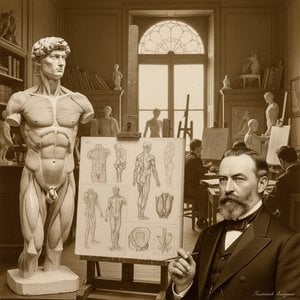
Frederick Bridgman: Anatomical Mastery & the Evolution of Figure Drawing Instruction
Explore the anatomical mastery of George B. Bridgman & his revolutionary figure drawing techniques. Discover how his methods transformed art instruction and continue to inspire artists today. Learn more at ArtsDot.


