Giacomo Rocca (1592 – c. 1605): A Mannerist Vision of Faith and Patronage
Giacomo Rocca, a name largely absent from mainstream art historical narratives, nevertheless represents a significant contribution to the artistic landscape of late Renaissance Italy—specifically within the fervent devotional fervor surrounding Santa Maria degli Angeli in Rome. Born sometime around 1592, Rocca’s life remains shrouded in relative obscurity, primarily documented through Giovanni Baglione's *Le Vite dei Pittori*, Scultori et Architetti dal Pontificato di Gregorio XIII del 1572 in fino a tempi di Papa Urbano VIII nel 1642*, which offers invaluable insight into the artistic milieu of his era.
Rocca’s formative years were spent under the tutelage of Daniele da Volterra, a celebrated Mannerist sculptor and painter whose influence profoundly shaped Rocca's stylistic trajectory. Da Volterra championed a dramatic, expressive approach characterized by distorted figures, exaggerated poses, and intense emotional intensity—elements that would become hallmarks of Rocca’s oeuvre.
The Frescoes of Santa Maria degli Angeli
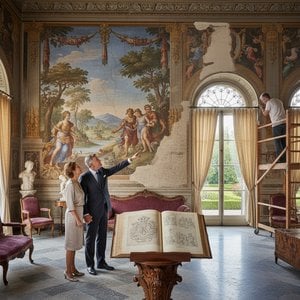
Rocca’s most enduring legacy resides in his monumental frescoes adorning the first chapel on the right of Santa Maria degli Angeli e dei Martiri, a basilica renowned for its opulent decoration and patronage by Cardinal Alessandro Farnese. Collaborating closely with Michele degli Alberti, Rocca undertook the ambitious task of depicting scenes from the Old Testament—specifically Prophets and Sibyls—and subjects commemorating Saint Francis Xavier, a pivotal figure in Jesuit missionary activity.
These frescoes exemplify the Mannerist preoccupation with psychological realism and symbolic grandeur. Rocca skillfully employed tenebrismo—a technique pioneered by Caravaggio—to create dramatic chiaroscuro effects that heighten emotional impact and convey profound spiritual contemplation. The figures are rendered with meticulous detail, capturing subtle nuances of expression and gesture, reflecting Da Volterra’s influence.
Style and Technique
Rocca's artistic style is firmly rooted in the Mannerist tradition, distinguished by its rejection of classical ideals of beauty and harmony. Instead, he embraced distortion, asymmetry, and expressive exaggeration—methods designed to elicit a visceral response from the viewer. His palette favored muted tones—primarily ochres, siennas, and umbers—creating an atmosphere of solemn contemplation.
Furthermore, Rocca’s meticulous attention to detail—evident in his rendering of drapery folds and facial expressions—demonstrates a mastery of disegno—the Italian term for drawing—a cornerstone of Renaissance artistic training. Like Da Volterra, Rocca prioritized conveying emotion over mere visual representation, prioritizing psychological depth and spiritual significance.
Legacy and Influence
Despite the paucity of biographical information, Giacomo Rocca’s contribution to Roman art history remains undeniable. His frescoes at Santa Maria degli Angeli stand as testament to the enduring power of Mannerist aesthetics—a style that continues to inspire artists today. Though overshadowed by more prominent contemporaries, Rocca's work embodies a distinctive vision of faith and artistic expression—a poignant reminder of the rich tapestry of creativity within Renaissance Italy.
问答详情
如何按年份顺序浏览 Giacomo Rocca 的作品?
您可以在Giacomo Rocca的作品时间轴页面上按时间顺序查看其作品。
是否有Giacomo Rocca作品的3D虚拟展厅巡览?
您可以进行虚拟参观:在 Giacomo Rocca 的 3D 艺术展厅 页面中,您可以在三维画廊里欣赏艺术家的作品。
在哪里可以按艺术流派浏览 Giacomo Rocca 的作品?
全部流派 页面按艺术流派对 Giacomo Rocca 的作品进行了分类。