Aldo Calo (1910 - 1983): Geometry and Silence
Aldo Calo (1910 – 1983) stands as a singular figure in Italian sculpture of the mid-century, embodying a profound commitment to minimalist aesthetics and geometric abstraction. Born in San Cesario di Lecce, Italy, his artistic journey began with formal training at the Lecce Art School and continued at the Institute of Art in Florence, where he absorbed influences from antiquity—particularly monumental sculptures—Catholic iconography, and the ornate architectural decorations characteristic of Baroque grandeur. These formative experiences instilled a sensitivity to form and materiality that would define his distinctive style throughout his prolific career.
By the late 1940s, Calo’s artistic vision expanded beyond traditional representation, embracing the burgeoning international art movements of Surrealism and Expressionism. He encountered pivotal figures like Constantin Brancusi, Jean Arp, and Ossip Zadkine in Paris during a formative period, fostering dialogues that propelled him toward exploring new conceptual territories. This encounter with fellow sculptors profoundly impacted his artistic sensibilities, encouraging experimentation with unconventional materials and techniques—a hallmark of his oeuvre. Notably, he collaborated briefly with Henry Moore in England, immersing himself in the British sculptural landscape and absorbing its modernist ethos.
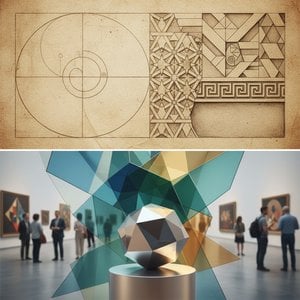
Calò’s stylistic evolution culminated in a singular approach characterized by an unwavering dedication to simplicity and geometric precision. He eschewed elaborate ornamentation, prioritizing fundamental forms—often cubes, spheres, and cylinders—to convey profound ideas about space, balance, and materiality. His sculptures achieved remarkable visual impact through subtle variations in texture and surface finish, creating surfaces that seemed to emanate a quiet stillness. This minimalist aesthetic resonated deeply with the spirit of the 1960s Art Movement, aligning him with artists who sought to distill artistic expression into its purest essence.
Calò’s artistic output spanned decades, producing over 350 sculptures—a testament to his unwavering dedication and creative impulse. He served as Director of the Institute of Art in Rome from 1959 until his death in 1983, nurturing a generation of aspiring sculptors and shaping the intellectual landscape of Italian art education. His influence extended beyond pedagogical endeavors; he actively participated in artistic exhibitions across Europe and internationally, showcasing his work alongside luminaries such as Brancusi, Moore, and Marini—artists who shared his commitment to geometric abstraction and sculptural innovation.
Throughout his career, Calò received numerous accolades recognizing his contribution to the art world, including the National Prize for Sculpture awarded at the Venice Biennale in 1962—a prestigious honor that cemented his reputation as one of Italy’s foremost sculptors. His sculptures reside in prominent museums worldwide—including the Milwaukee Art Museum and the Museo Nazionale Romano—demonstrating their enduring appeal and securing their place within the canon of modern art history. Aldo Calo's legacy continues to inspire artists today, reminding us that profound artistic expression can emerge from the most austere forms.
问答详情
可以按心情浏览 Aldo Calo 的作品吗?
艺术家的 心情空间 页面展示了 Aldo Calo 按氛围分类排列的艺术作品。
Aldo Calo 的艺术风格是如何随时间演变的?
Aldo Calo 的 艺术编年史 是一个随滚动条变化的艺术时间轴,按创作时期进行章节划分,并按时间顺序呈现艺术家的作品。
Aldo Calo 最常使用的色彩有哪些?
Aldo Calo 作品的色彩特征展示在艺术家的 色彩基因 页面上。