

 效果预览
效果预览
 购买印刷品
购买印刷品 分享
分享 分享
分享
 详情
详情

 下载
下载
 相似作品
相似作品 X射线
X射线 幻灯片播放
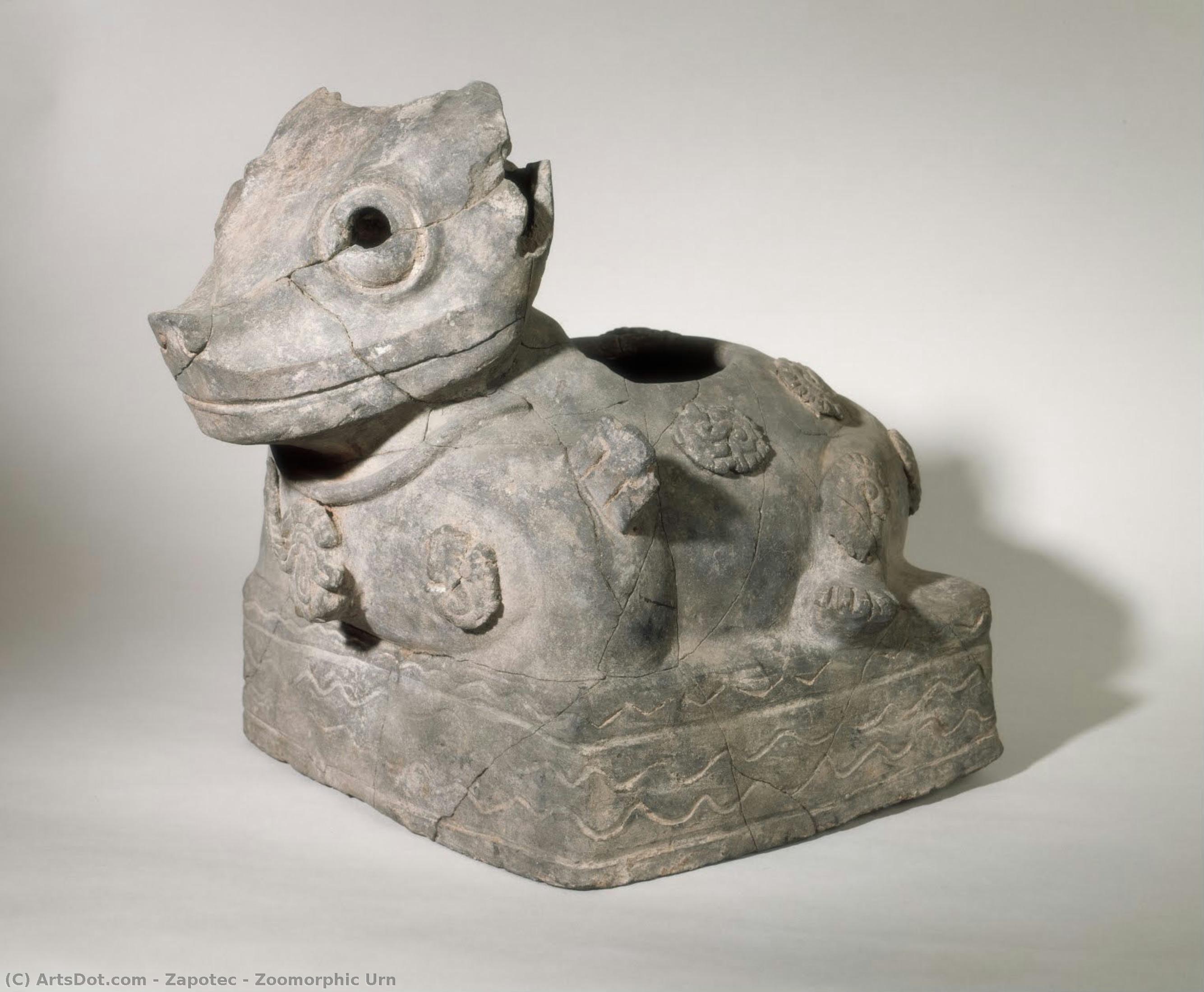
幻灯片播放Zoomorphic Urn

 展开详情
展开详情




































从与原作比例一致的预设尺寸中进行选择。

您可以输入自定义尺寸,以适配特定的画框或空间。如果所选尺寸与原图比例不符,我们将通过裁剪作品或添加手绘元素来扩展画面。数字样稿将在制作开始前发送给您确认。
请注意,屏幕预览无法准确反映实际的裁剪或扩展效果,只有样稿才能真实呈现最终的构图。
虽然我们提供定制尺寸服务,但为了保留原作比例,建议您从预设列表中选择尺寸。
下单后,ArtsDot.com 团队将通过电子邮件联系客户获取具体要求,并提供效果预览图。


 玻璃选项仅适用于110厘米以下的尺寸。

Zoomorphic Urn
复制材质
复制品尺寸
-


最终总价
$ 263
艺术家简介
Rufino Tamayo: Bridging Ancient Roots and Modern Vision
Rufino Tamayo (August 25, 1899 – June 24, 1991) stands as a pivotal figure in Mexican art history—a sculptor, painter, printmaker, and ceramicist who seamlessly blended indigenous traditions with the vanguard of European artistic movements like Cubism and Surrealism. His oeuvre transcends mere stylistic imitation; it embodies a profound engagement with Mexico’s past while simultaneously pushing boundaries toward an expressive future. Born in Oaxaca City, Tamayo's upbringing amidst Zapotec culture profoundly shaped his worldview and artistic sensibility—a connection he consistently revisited throughout his prolific career.- Early Life & Artistic Formation: Tamayo’s father, José María Tamayo, was a prominent physician and anthropologist who instilled in him a fascination for Mesoamerican archaeology and ethnography. This early exposure fueled his lifelong interest in exploring the relationship between indigenous heritage and artistic innovation. He studied at the Escuela Nacional de Artes Plasticas in Mexico City, where he honed his sculptural skills under Julián Sánchez Galván and José Clemente Orozco—artists who championed monumental murals celebrating Mexican history and identity.
- Cubist Influences & Artistic Breakthrough: Tamayo’s artistic trajectory took a decisive turn upon encountering Picasso's Cubism in Paris during the 1920s. He embraced the geometric fragmentation of form, analyzing objects from multiple perspectives—a technique that would become his signature style. His monumental mural “La danza de los jaguares” (1934), commissioned for the Museo Nacional de Antropología in Mexico City, exemplifies this stylistic fusion, depicting a Zapotec ritual dance alongside Cubist abstractions.
- Surrealism & Mythological Exploration: Simultaneously, Tamayo explored Surrealist imagery and symbolism—drawing inspiration from Aztec mythology and folklore. He utilized dreamlike landscapes and distorted figures to convey profound emotional states and philosophical concepts. His paintings “El hombre bueno” (1937) and “La tierra” (1940) are notable examples of this stylistic approach, reflecting Tamayo’s preoccupation with themes of human existence and the cosmos.
- Mixografia & Artistic Legacy: Tamayo revolutionized printmaking through his pioneering use of Mixografia—a technique developed by Picasso and Roland Penrose that combines etching and lithography to achieve vibrant color prints. His extensive portfolio of Mixografia prints showcases his mastery of this innovative medium, capturing the essence of Mexican landscapes and cultural traditions with unparalleled luminosity and textural richness.
- Recognition & Enduring Significance: Tamayo’s artistic achievements garnered international acclaim—including honorary doctorates from Yale University and Oxford University—and cemented his place as one of Mexico's most celebrated artists. His work continues to inspire contemporary artists and scholars alike, serving as a testament to the enduring power of intercultural dialogue and artistic experimentation. He died in Mexico City in 1991, leaving behind an unparalleled legacy of sculptural masterpieces and evocative paintings that encapsulate the spirit of Mexican identity.
- La danza de los jaguares (1934)
- El hombre bueno (1937)
- La tierra (1940)
- Cristo Velázquez (1952)
- El jardín de piedra (1960)
- Tamayo, Rufino. *Arte Popular Mexicano*. Mexico City: Museo Nacional de Antropología, 1973.
- Schwartz, Jonathan. *Rufino Tamayo*. New York: Guggenheim Museum Exhibition Catalog, 2004.

zapotec
Mexico
艺术家简介
- Artistic Movement Or Style: Cubism & Surrealism
- Artists Or Movements Influenced By This Artist: ['Modern Art']
- Artists Who Influenced This Artist:
- Pablo Picasso
- Georges Braque
- Date Of Birth: August 25, 1899
- Date Of Death: June 24, 1991
- Full Name: Rufino del Carmen Arellanes Tamayo
- Nationality: Mexican
- Notable Artworks:
- San José Mogote Monument 3 ("Danzante")
- Building J
- Place Of Birth: Mexico City, Mexico

